
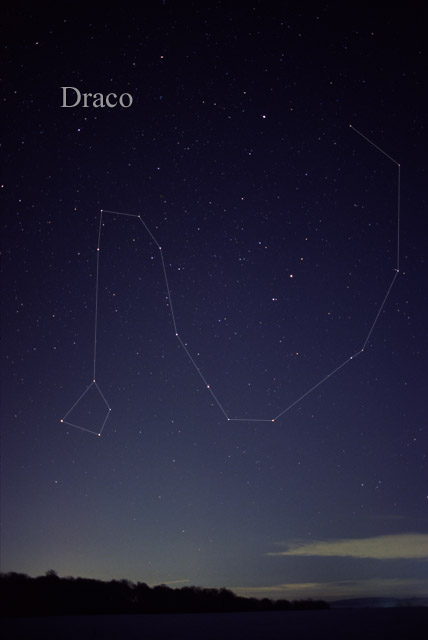
The Draconid meteor shower peaked October 8–9 but remains active through October 10. Dark skies and little moonlight give stargazers another chance to see shooting stars.
The Draconid meteor shower has returned for another opportunity to see shooting stars in October 2026. This annual event occurs when Earth passes through debris left behind by a comet called 21P/Giacobini-Zinner. The peak viewing time was expected to be on the night of October 8 into the morning hours of October 9.
Unlike many meteor showers that are best seen in the early morning the Draconids can be watched in the evening after sunset according to Primetimer. The radiant point for this meteor shower is located in the constellation Draco which is why it’s easier to see from the Northern Hemisphere. The best viewing time begins after darkness falls and the shower remains active from October 6 to 10.
Under clear skies viewers may see about five to ten meteors per hour during the peak according to a report from Metro. The nearly new Moon reduces moonlight interference and makes it easier to see fainter meteors. To get the best view observers should find a dark location away from city lights and allow their eyes about 20 to 30 minutes to adjust.
It’s not necessary to use a telescope; the naked eye is recommended for viewing the entire sky.
Weather conditions play a key role in visibility especially in areas like the UK where cloud cover or rain can interfere with viewing. Local forecasts should be checked before heading outside.
In Northeast Ohio clear skies were forecast for Thursday and Friday giving stargazers a good chance to see the meteors according to Fox 8. The parent comet of the Draconids is 21P/Giacobini-Zinner and was discovered by French astronomer Michel Giacobini in 1900. It was later independently observed by German astronomer Ernst Zinner in 1913.
Although not as active as other showers like the Perseids the Draconids can still offer a beautiful display under good conditions. Observers are advised to be patient and not focus on one spot in the sky as meteors appear randomly across the sky. The Draconids have also produced rare meteor storms in the past including spectacular displays in 1933 and 1946.
The shower’s radiant is highest in the sky around sunset which makes it ideal for evening viewing. Although the predicted peak has passed some meteors may still be visible on the evening of October 9 and into October 10.
For those who miss this year’s display other meteor showers will follow in the coming months. The Orionid meteor shower is expected to peak around October 21 and 22.
The Draconid meteor shower is a quiet but pleasant event that brings a chance to enjoy the night sky in October.
IMAGE: Photography of the constellation Draco, the dragon. Photo: Till Credner / Wikimedia, taken 2004-01-23, CC BY-SA 3.0