
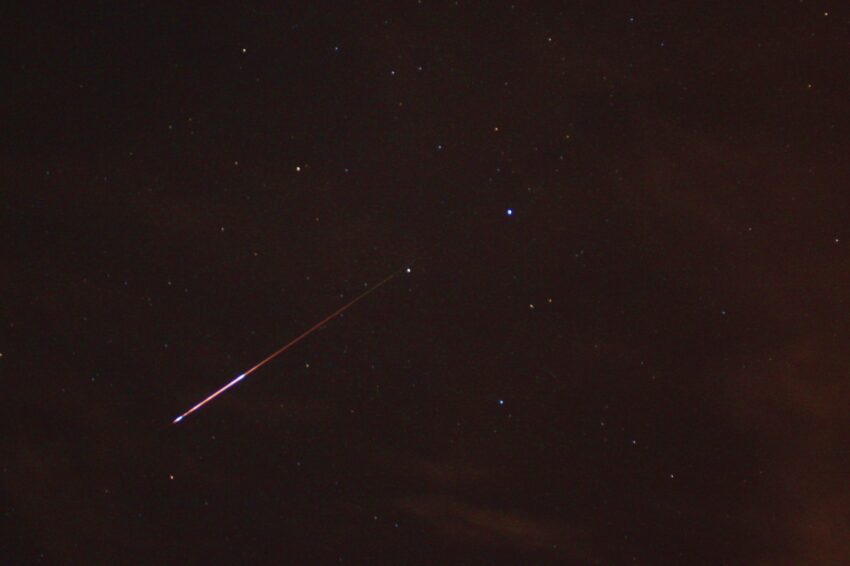
The Perseid meteor shower is one of the most popular and reliable celestial events each year. It happens when Earth passes through debris left behind by a comet. This year, the display will be especially bright and active. The peak viewing time usually occurs in the early hours of August 12th. For best results, observers should plan to watch after midnight and before dawn. The sky needs to be dark for the meteors to show up clearly.
The meteors appear to come from a point near the constellation Perseus. That is where the shower gets its name. Each meteor burns up in the atmosphere at high speed. They leave trails of light that can last just a moment or several seconds. The brightest ones are often called fireballs. These bright meteors happen more frequently during peak times.
Weather conditions play an important role in how well people can see the shower. Clear skies with little cloud cover are ideal. Humidity and wind can reduce visibility. It is also helpful to avoid light pollution from cities or towns. Rural areas far from lights give better views. A dark location allows more meteors to be seen at once.
To prepare for the event, viewers should dress warmly. The night air can get cold even in summer. A reclining chair or blanket helps make the experience comfortable. No special equipment is needed to watch the shower. The human eye is enough to catch most of the action. Binoculars or telescopes are not required. However, they may help with other parts of the sky.
The Perseids are known for their speed and brightness. They travel at about 130,000 miles per hour. That makes them fast compared to many other meteors. The shower is active from mid-July through late August. But the best viewing happens during a few key nights. The exact timing can vary slightly each year. People should check local forecasts for the clearest skies.
Astronomers often recommend looking toward the northeastern sky around 11 PM. The meteors will appear to radiate from that direction. It helps to lie flat on the ground or sit in a comfortable spot. Looking up for long periods can be tiring. Taking breaks is okay. The shower continues for several hours each night.
The Perseid meteor shower has been observed for over 2,000 years. Ancient records show it was seen by people in China and Japan. Modern science explains the source of the meteors. They come from a comet named Swift-Tuttle. The comet orbits the sun every 133 years. Earth meets this debris each August.
This year’s shower is expected to be one of the stronger ones in recent memory. The moon will be in a new phase during the peak. That means less moonlight will interfere with viewing. A dark sky makes it easier to see fainter meteors. The combination of timing and conditions can make for an unforgettable night.
Some people try to photograph the meteors. This requires a camera on a tripod. Long exposure settings work best. Tracking the motion of a meteor is difficult without special equipment. Many prefer to just watch with their eyes. That way, they can enjoy the natural beauty of the event.
The Perseid shower is easy for anyone to enjoy. No experience or tools are needed. It is a great activity for families and friends. Watching the sky together creates a shared moment. The sight of meteors can be magical and inspiring. Many people look forward to this event each year.
Planning ahead helps ensure a good experience. Check local weather reports before going outside. Bring a red flashlight if needed. Red light does not affect night vision like white light does. A simple plan makes the night more enjoyable. The key is patience and a clear sky.
The Perseid meteor shower will continue to draw crowds each year. It is one of the most reliable shows in the night sky. The meteors are visible from almost anywhere on Earth. This year’s event promises to be spectacular. People should look for the best viewing times and locations. The experience can be both peaceful and exciting.
IMAGE: Perseid meteor shower in Austin Texas.. Photo: Jared Tennant / Wikimedia, taken 2009-08-12, CC BY 2.0
This article passed automated originality and source-verification checks before publishing.