
The night sky will offer several captivating sights this autumn, giving stargazers plenty to look forward to. For observers in the Northern Hemisphere, one of the first sights to watch is the Pleiades star cluster. Also known as the Seven Sisters, the cluster becomes increasingly prominent as the autumn nights grow longer. It can be found in the constellation Taurus and can easily be seen without a telescope. The Royal Observatory Greenwich says the cluster contains more than 1,000 stars, although usually only about six can be seen with the naked eye.
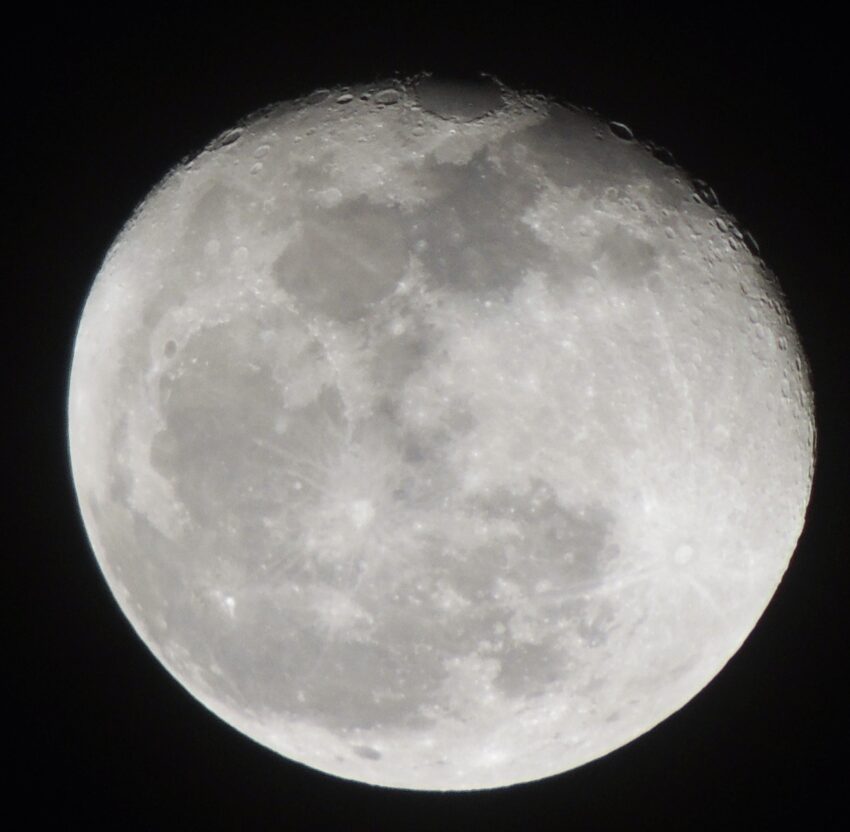
One of the most anticipated events is the November full moon, which will appear as a supermoon. This particular full moon will reach its peak on November 24th and is also known as the Beaver supermoon. The name comes from the time of year when beavers were especially active, preparing for winter by building and storing food. NASA lists the November 24 full moon as one of the notable supermoons of 2026.
Another highlight will be a planetary parade in mid-November, where Jupiter and Venus will be visible together, according to the BBC. These two planets will be easy to spot during that time, offering an excellent opportunity for casual skywatchers. Mercury and Mars will also be above the horizon before sunrise around November 14. Mars and Jupiter will form an especially close pair a day or two later. They will appear only about one degree apart in the predawn sky.
In addition to the supermoon and planetary alignment, Earth will pass through trails of dust and debris left behind by Halley’s comet twice each year. This happens twice each year, bringing with it a chance for meteor showers to be seen from the night sky. The autumn meteors will appear to radiate from the constellation Orion, giving them their name. The Orionid meteor shower is expected to peak around October 21 and 22. The American Meteor Society says the Orionids can normally produce about 10 to 20 meteors per hour, although the bright Moon will make some of the weaker meteors harder to see in 2026.
Another meteor shower arrives later in November. The Leonids are expected to peak around November 17. These meteors come from debris left behind by Comet 55P/Tempel-Tuttle rather than Halley’s Comet. They appear to radiate from the constellation Leo, which gives the Leonids their name. NASA says the Leonids are among the fastest meteors and can travel through the atmosphere at roughly 70 kilometers per second.
These celestial events are a reminder of how Earth’s orbit brings it into contact with cosmic debris regularly. For those planning to observe these phenomena, checking the weather forecast is essential for clear skies. The BBC Weather app or website can help determine the best conditions for stargazing during this season. From supermoons to planetary pairings and meteor showers, the sky will be full of activity. Whether you’re an amateur astronomer or simply enjoy looking up at night, there’s something for everyone in the autumn skies.
IMAGE: This photo is offered because it is a superior presentation of the full Beaver Moon when compared to the posted photos found in the “Craters of the Moon” (Nikon P510 42x). Photo: Nils ericksen / Wikimedia, taken 2018-11-24, CC BY-SA 4.0