
September 2026 offers a rich lineup of astronomical events for skywatchers around the world. The month begins with Venus appearing near the bright star Spica on September 1 and 2. Venus will appear near Spica on September 2 at 00:17 UTC, shining much brighter than Spica. Spica is the most intense star in the constellation Virgo and will appear as a considerably fainter bluish dot nearby.
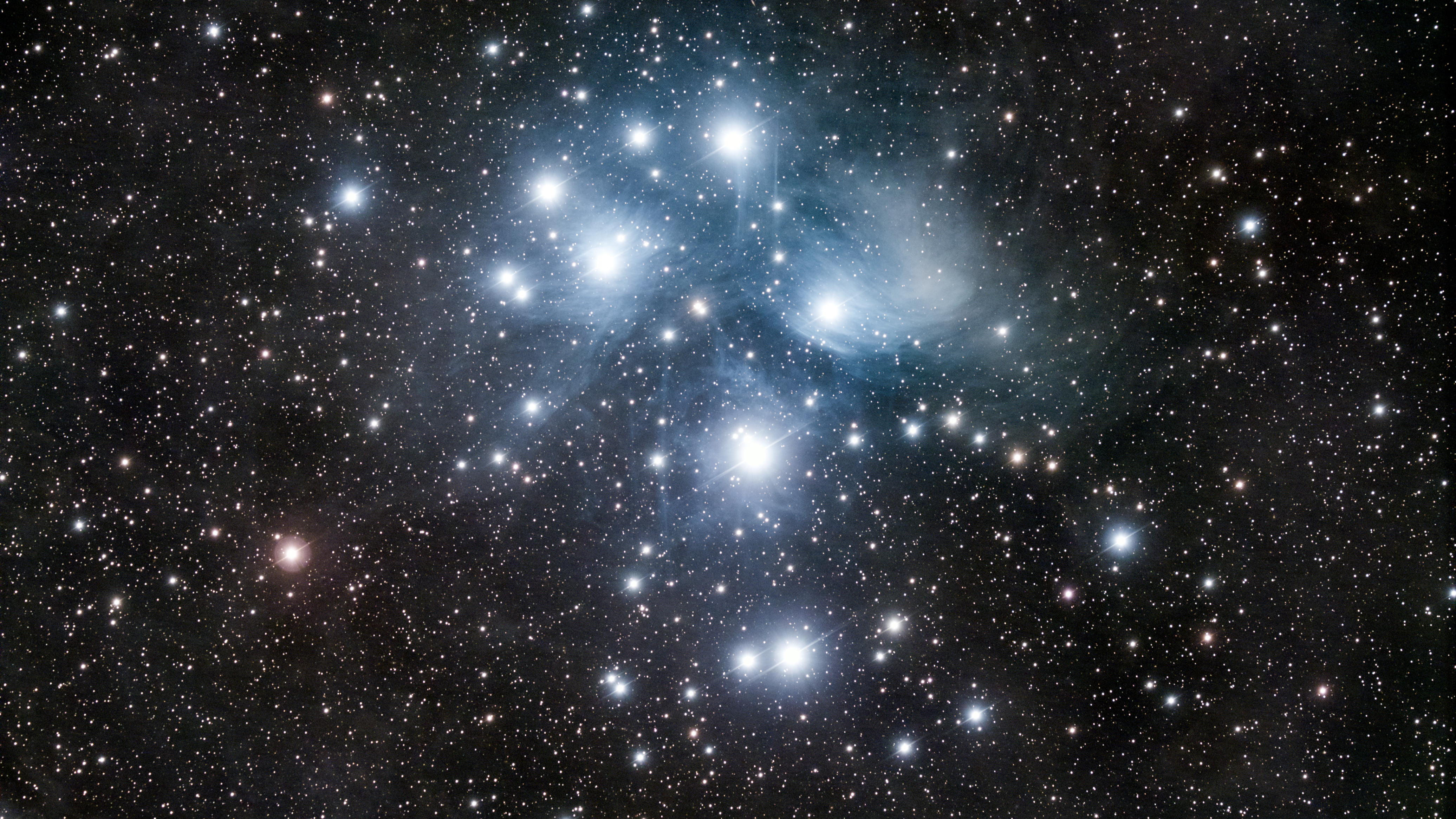
The two objects will be separated by about 1.1 degrees in the sky, roughly the diameter of a full moon, according to Wired. On September 3, the moon will appear near the Pleiades star cluster, often called the Seven Sisters. The Pleiades are located in the constellation Taurus and contain hundreds of young stars. The moon will be close enough to the cluster that they appear like a group of bright points next to the moon.
Binoculars can help viewers see many more stars in the cluster than what is visible to the naked eye. A modest meteor shower will occur on September 9 and 10, with fewer meteors than the Perseids from August. Venus will reach peak brightness on September 18, shining more intensely than ever this evening, according to a report from science.nasa.gov. Look for Venus after sunset near the western horizon, where it will outshine every star in sight. The September equinox takes place on September 23, marking the start of fall in the Northern Hemisphere and spring in the Southern Hemisphere.
This event happens when the sun crosses the equator moving southward. Neptune will be visible on September 26, reaching opposition and appearing at one of its closest distances to Earth for the year. It is at one of its closest points to Earth this year. Neptune is too faint to be seen with the naked eye and requires knowledge of its position in the constellation Pisces.
September ends with the Harvest Moon rising on September 26. The Harvest Moon is the full moon closest to the September equinox and is traditionally called the Harvest Moon. Saturn will be visible with the naked eye, while Neptune requires a telescope to observe properly.
The moon will appear in the eastern sky shortly after sunset, forming a triangle with Saturn and Neptune. From September 14 to 20, the moon will guide observers toward Antares and the Teapot constellation. Antares is a bright red star in Scorpius, and the Teapot resembles a teacup with a handle and spout.
Looking toward the center of the Milky Way galaxy can be done by following the steam from the Teapot. International Observe the Moon Night is celebrated on September 19, inviting people worldwide to look up and connect with our nearest celestial neighbor while learning more about lunar science, exploration, and the many ways the Moon has shaped cultures around the world.
More information about lunar exploration and space missions can be found at NASA Science.
IMAGE: The Pleiades Star Cluster Creative Commons CC0 1.0 Universal Public Domain Dedication.