
India’s food inflation reached 8.94% in October 2026, with rising prices for onions, rice, cooking oil, and other essentials placing additional strain on millions of families.
Rising food prices are placing increasing pressure on Indian households as the cost of preparing everyday meals continues to climb. Food inflation reached 8.94% in October 2026, while the average cost of a home-cooked vegetarian meal increased by 12% compared with the previous year. Unpredictable weather, supply shortages, and rising agricultural expenses are contributing to the problem.
Lower-income families are particularly vulnerable because food accounts for a substantial portion of their household spending. The increases are also spreading beyond vegetables to include staple grains, cooking oil, and other essential products.
Food Inflation Outpaces Overall Price Increases
Figures released by India’s Ministry of Statistics and Programme Implementation on November 12 showed that annual retail inflation reached 6.09% in October, compared with 5.54% in September.
Food inflation increased from 7.74% to 8.94% during the same period. Rural communities experienced food inflation of 9.09%, compared with 8.68% in urban areas.
The overall inflation rate moved above the upper limit of the Reserve Bank of India’s target range of 2% to 6%. This creates additional challenges for policymakers attempting to maintain price stability while supporting economic growth.
Food and beverages account for 36.75% of the basket of goods and services used to calculate India’s consumer price index. As a result, changes in food prices can significantly influence the country’s overall inflation rate.
Traditional Indian Meals Become More Expensive
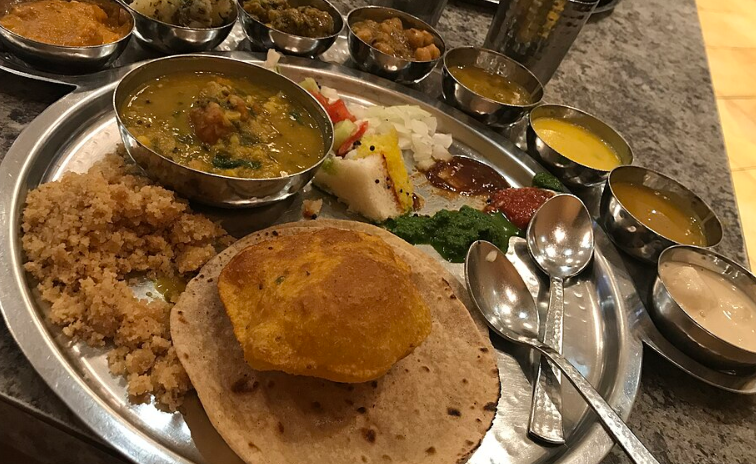
A traditional Indian thali typically consists of rice or flatbread served with vegetables, lentils, and other accompaniments. It provides an effective way to understand how changing ingredient prices affect everyday household expenses.
Crisil Intelligence, an economic research and analytics organization, tracks the average cost of preparing vegetarian and non-vegetarian meals across India.
Its November Roti Rice Rate report found that a vegetarian thali cost approximately 31.20 rupees to prepare in October. The same meal cost 27.80 rupees a year earlier.
The cost of a non-vegetarian thali increased from 54.40 rupees to 59.20 rupees, representing an annual increase of approximately 9%.
The following annual price increases contributed to rising meal expenses:
- Rice: 10%
- Pulses: 8%
- Vegetable oil: 13%
- Tomatoes: 6%
- Broiler chickens: 5%
Onions experienced an even greater increase, with prices more than doubling compared with October 2025.
Although individual price changes vary, increases across several essential ingredients make it more difficult for families to reduce expenses simply by changing their meals.
Onion Shortages Drive Sharp Price Increases
Onions are an essential ingredient in many Indian dishes, making their price particularly important to household budgets.
According to Crisil, onion prices reached approximately 53 rupees per kilogram in October, following reduced production and delays in the arrival of newly harvested crops.
India relies heavily on onions harvested during the spring to supply markets throughout much of the year. These onions must be stored until subsequent harvests become available.
When production falls or stored supplies decline faster than expected, shortages can develop before the next harvest reaches wholesale markets.
Government buffer stocks can provide temporary relief by increasing the quantity of onions available for sale. However, maintaining adequate storage facilities remains important for reducing recurring seasonal shortages.
Weather Disruptions Affect Agricultural Supplies
India’s agricultural industry remains heavily influenced by seasonal rainfall. Farmers depend on suitable weather conditions to plant crops, maintain production, and complete harvesting.
Reuters reported that uneven monsoon rainfall had contributed to shortages of important household staples during recent months.
Excessive rainfall can damage crops or delay harvesting, while insufficient rainfall can reduce yields and increase irrigation expenses.
Delayed rice harvesting contributed to a substantial reduction in supplies reaching markets during October. Tomato deliveries from important producing regions in southern and western India were also disrupted.
These problems affect both farmers and consumers. Farmers may lose income when crops are damaged, while households face higher prices when available supplies decline.
Storage and Transportation Remain Important Challenges
Food inflation is influenced not only by agricultural production but also by the systems responsible for delivering products to consumers.
Perishable vegetables such as tomatoes can deteriorate quickly without appropriate storage and transportation. During periods of abundant production, farmers may receive low prices because they cannot preserve their harvests for later sale.
When supplies subsequently decline, consumers may face considerably higher prices for the same products.
Improved refrigerated storage, food processing facilities, and transportation networks could help reduce these seasonal fluctuations.
Grains such as rice and wheat can generally be stored for longer periods. However, disruptions in harvesting, rising transportation expenses, and changes in market demand can still affect their prices.
Energy expenses create another source of pressure. Fuel is needed to operate agricultural machinery, transport products, and support irrigation, while households also depend on cooking gas to prepare meals.
Government Food Assistance Provides Some Protection
India operates an extensive food assistance program intended to protect vulnerable households from hunger and rising living expenses.
Under the Pradhan Mantri Garib Kalyan Anna Yojana program, the government provides free food grains to eligible recipients.
The program is designed to reach approximately 813.5 million people. Its current five-year extension began on January 1, 2024.
Free grain distribution helps reduce household expenses for essential foods such as rice and wheat. However, families must generally purchase additional ingredients, including vegetables, cooking oil, and sources of protein.
Consequently, food assistance can provide important protection without eliminating the broader financial pressures created by rising grocery prices.
Higher Food Costs Could Affect the Wider Economy
Persistent food inflation can influence economic activity beyond agriculture and grocery shopping.
Workers facing higher living expenses may seek wage increases, while businesses experiencing rising operating costs may increase the prices of their products and services.
Households may also reduce spending on clothing, entertainment, transportation, and other purchases to prioritize essential meals. These adjustments can affect businesses that depend on consumer demand.
The longer food prices remain elevated, the greater the pressure on families with limited savings and relatively fixed incomes.
India’s next official consumer price index report is scheduled for December 14, 2026. The figures will provide an indication of whether incoming harvests and improving supplies are beginning to ease the pressure on household food budgets.
IMAGE: Source Own work Author Shuchi999 CC4