
The United Kingdom is facing a sharp rise in inflation as energy prices surge, with the latest figures showing a four-month high in price growth. The Office for National Statistics reported that inflation reached 2.9% in June, the highest since March, driven by a significant increase in energy costs. A 13% hike in Ofgem’s energy price cap last month added £221 to the average annual gas and electricity bill, bringing it to £1,862.
The increase in energy bills was largely due to a sharp rise in gas prices, the largest such jump in nearly four years, according to londonlovesbusiness.com. The rise in gas prices was linked to ongoing tensions in the Middle East, particularly to global oil supply restrictions, according to a report from AOL. Prime Minister Andy Burnham visited communities across the UK to address concerns about the rising cost of living during his summer tour, Yahoo Finance reported.
Burnham acknowledged that global events, including conflict in the Middle East, are influencing inflation and household expenses. Finance Minister John Healey said there is more to do to restore hope and build a stronger economy. Healey pointed to recent government actions, such as a VAT reduction on electricity bills and a £2 cap on bus fares.
However, experts warn that inflationary pressures may continue to grow in the coming months. Cornwall Insight forecasts a 4% rise in energy bills for the October to December period, bringing the average annual cost to around £1,941. The Bank of England is closely watching these developments, though economists believe a rate increase is unlikely in the near term.
Interest rates are expected to remain stable through the winter, with interest rates remaining on hold before cuts resume next spring. Additional pressures on household budgets are expected from rising food prices due to drought and heatwaves affecting crops. The situation has led some to warn that the cost of living crisis may persist.
Economists say inflation is now the biggest threat to economic growth, as it reduces disposable income for essential goods. The impact of these rising costs is being felt across the country, with food bank usage increasing among working families and those on benefits. The UK government is under pressure to provide further relief as inflation continues to rise in the wake of global energy market shifts.
Meanwhile, regulatory bodies are investigating companies like Trainline and Virgin Atlantic over pricing transparency issues. These investigations come as the government looks to ensure fair practices in sectors where consumers are already struggling with higher prices. The government’s efforts to stabilize the economy include measures like regulated train fare increases, which are expected to rise by 4.2% next year.
Despite some relief from falling crude oil prices in July, the overall impact of energy costs remains a major concern for households. Oil prices have since climbed back above $90 per barrel, adding to the uncertainty surrounding future energy costs. As inflation continues to rise, the UK government is working to balance economic stability with support for families.
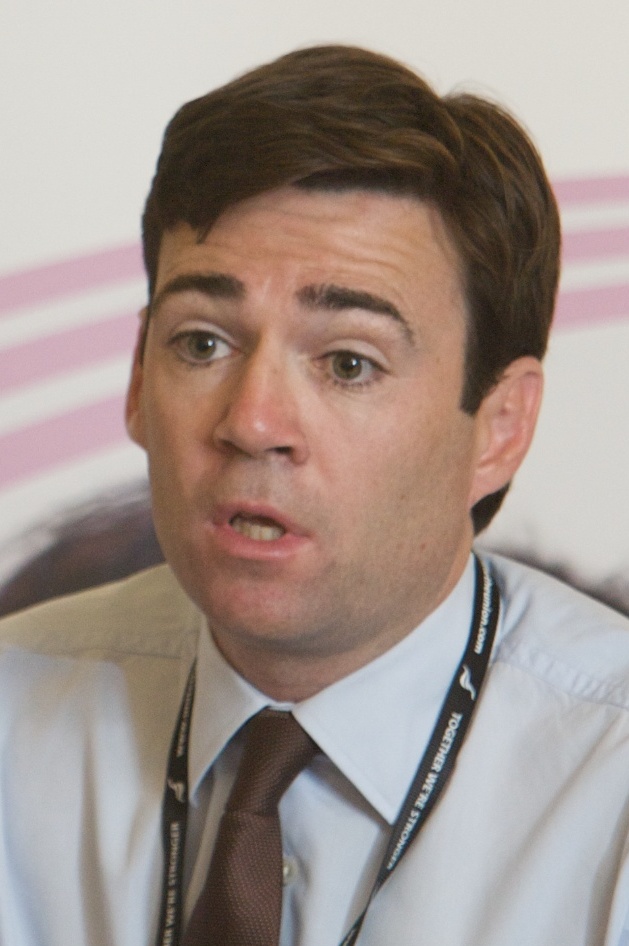
IMAGE: Andrew Burnham, British politician (PM Now) and Secretary of State for Health, speaking during the Health Hotel session “One in three: Tackling cancer is an election issue” at the Hilton Metropole, Brighton, during the Labour Party Conference 2009.. Photo: Credit: http://www.acumenimages.com. Uploaded to Flickr by The Health Hotel. / Wikimedia, taken 2009-09-29, CC BY-SA 2.0