
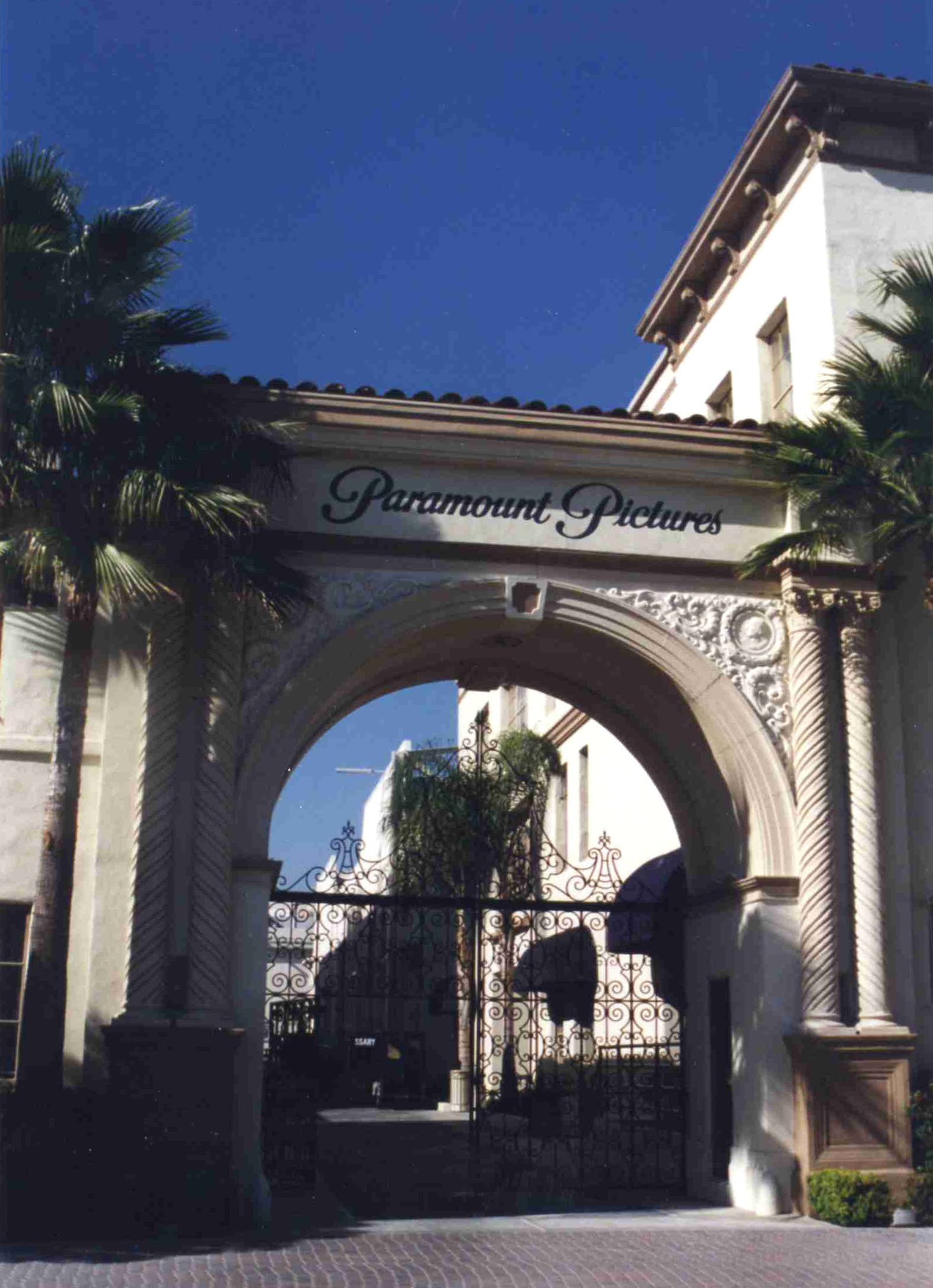
Paramount Skydance has agreed to a series of conditions to settle a lawsuit brought by 12 Democratic state attorneys general over its plan to acquire Warner Bros. Discovery. The states had filed suit in July, arguing that the merger would reduce competition in both film distribution and basic cable services. The proposed acquisition is valued at about $110 billion.
David Ellison, who leads Paramount, said the company’s goal is to build a stronger entertainment industry with more stories told and better choices for consumers, according to NPR. Paramount has also said the deal received regulatory clearances representing 69 jurisdictions worldwide. The settlement requires Paramount to maintain both the Paramount and Warner Bros. studio lots for at least five years.
Together, the two companies must release at least 30 films in each of the first two years and 32 films each year during the following three years. At least 20 films must receive wide releases on 2,000 or more screens during each of the first two years. That requirement increases to 21 wide releases per year during years three through five.
A limited release on fewer than 600 screens counts only if the film expands to at least 1,000 screens within 30 days. Additionally, at least 20% of the annual slate must meet a tentpole requirement for major releases.
If Paramount fails to meet its annual film-release requirement, the company must divest Miramax Studios. It must also pay $30 million for each film it falls short of the required number.
Half of each $30 million payment will go to health care and retirement funds connected to entertainment unions. The remaining money will be divided between the Motion Picture & Television Fund and a National Association of Attorneys General fund.
The settlement also requires Paramount to spend at least $300 million more per year on U.S. film production than the companies spent in 2025. That amounts to at least $1.5 billion in additional domestic production spending over five years.
The combined company must also establish a $25 million fund to acquire independent films. At least four films released each year must qualify as independent productions.
A judge must still approve the settlement before it becomes final. The states’ lawsuit was one of the last major legal obstacles standing in the way of the merger. The Writers Guild of America also reached a separate settlement with Paramount on Monday.
California Attorney General Rob Bonta said the agreement does not mean he supports the merger. He emphasized that more film production means more work for people in the United States. The deal also creates a board to help protect the editorial independence of CBS News and CNN.
A compliance monitor and an independent trustee will oversee Paramount’s compliance with the settlement terms. A committee made up of five states will also monitor enforcement.
Paramount’s acquisition of Warner Bros. would bring together iconic franchises like DC Comics, Star Trek, and Harry Potter. The company also plans to combine major streaming operations that include Paramount Plus and HBO Max.
The settlement includes special protections for the cable television business. For five years, Paramount must negotiate distribution agreements for its cable channels separately from negotiations involving Warner Bros. channels.
If Paramount violates those cable provisions, it could be required to divest several networks. They include BET, BET Gospel, BET Her, BET Hip-Hop, BET Jams, BET Soul, VH1, Comedy Central, Smithsonian, Destination America and Science.
The agreement also protects Pluto TV. Paramount must continue offering a free streaming service such as Pluto TV during the five-year settlement period and maintain its current service and quality.
The Ellison family has close ties to President Donald Trump. David Ellison took control of Paramount after Skydance’s merger with Paramount was completed in August 2025.
David Ellison later hired Bari Weiss as editor-in-chief of CBS News. The appointment raised concerns among some critics about the future direction of the news division.
The attorneys general also expressed concern about the editorial independence of CNN and CBS News. Connecticut Attorney General William Tong said his state had demanded full divestiture of CBS News and CNN but did not obtain that provision in the settlement.
Trump has long accused CNN of reporting what he calls “fake news” and recently barred CNN journalists from the White House along with reporters from MS NOW and Politico. CNN, MS NOW and Politico filed a lawsuit against the Trump administration on Monday seeking to restore White House access.
Former Federal Trade Commission commissioner Alvaro Bedoya criticized the merger settlement. He said California officials and others had given in to pressure from Paramount. California officials have defended the agreement by pointing to the enforceable production, labor and competition requirements.
The settlement also creates a $47.5 million workforce fund over five years. The money will be used for training and career development for workers displaced by the merger. Paramount must also honor existing collective bargaining agreements and bargain in good faith with unions.
The settlement allows the merger to move closer to completion while placing the combined company under court-enforceable requirements for five years. Paramount will face financial penalties and possible asset sales if it fails to meet some of those obligations..
IMAGE: Agnès Contensou / Wikimedia Commons (Public domain)