
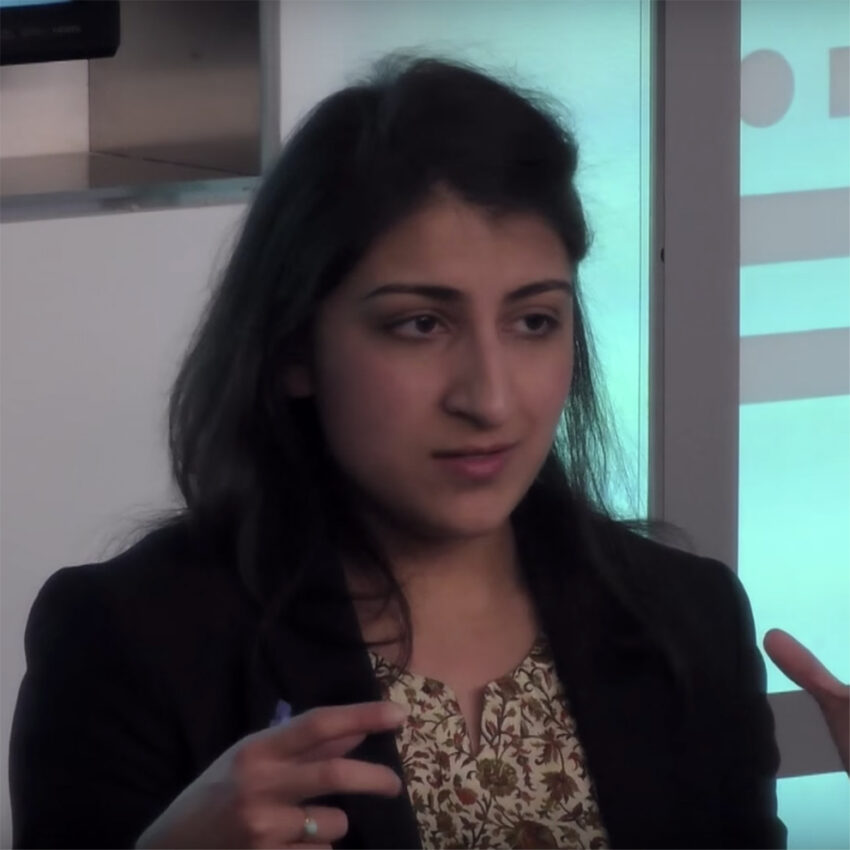
Former Federal Trade Commission chair Lina Khan voiced strong opposition to recent settlement negotiations between California Attorney General Rob Bonta and Paramount Skydance. Khan, who led the FTC under President Biden’s administration, posted a statement on social media encouraging Bonta and other state officials to continue their legal challenge against the proposed deal. She said the merger between Paramount and Warner Bros. appeared to violate antitrust laws and that the lawsuit brought by several states was well-founded. Khan expressed concern over reports that the states might accept behavioral remedies instead of stronger structural changes.
The proposed transaction involves a $110 billion acquisition of Warner Bros. Discovery by Paramount Skydance, according to TheWrap. Bonta has publicly stated he is open to a settlement in his and 11 other states’ suit against Paramount, but has called for structural remedies, such as divestments, rather than less enforceable behavioral remedies, like the company’s pledge to release 30 films in theaters per year.
The Justice Department’s Antitrust Division cleared the proposed merger in June after an eight-month investigation. The department said the evidence it reviewed did not show that the transaction was likely to harm competition or consumers. The Federal Communications Commission has also approved the foreign ownership structure connected to the deal.
Khan’s comments come amid broader criticism from public figures and advocacy groups. Actor Mark Ruffalo and others have joined the campaign to block the merger. The Block the Merger coalition has scheduled demonstrations in Los Angeles, New York, and outside Bonta’s office in Oakland, California.
Khan concluded her statement by saying that states should continue fighting to protect the media market and its workers. The lawsuit brought by California and 11 other states remains one of the final regulatory obstacles to completing the merger.
The states argue that combining Paramount and Warner Bros. Discovery would reduce competition in theatrical film distribution and basic cable programming. California officials say the combined company would control nearly one-third of theatrical motion pictures and nearly one-third of basic cable programming in the United States.
Paramount disputes the states’ antitrust claims and has said the merger would strengthen competition. The company has also pledged that the combined studios would release at least 30 movies in theaters each year.
Khan and Bonta have argued that behavioral remedies are not enough to address their concerns about competition in the entertainment industry. Bonta has said he prefers structural remedies that would keep certain assets under separate ownership. He has cited the possible sale of cable channels as an example.
The situation has also raised concerns among some entertainment workers and advocacy groups about corporate consolidation in media and film production. More than 5,000 entertainment industry workers signed an open letter opposing the deal earlier this year.
A trial in the states’ antitrust case is scheduled for March if the parties do not reach a settlement before then. As talks continue, many are watching closely to see whether the states will push for stronger remedies or accept a compromise. The outcome of these discussions may influence how antitrust enforcement is applied in the entertainment sector moving forward.
IMAGE: American jurist Lina Khan speaking on a panel about Amazon and antritrust law. More information about the event here.. Photo: New America / Wikimedia, taken 2016-02-04, CC BY 3.0