
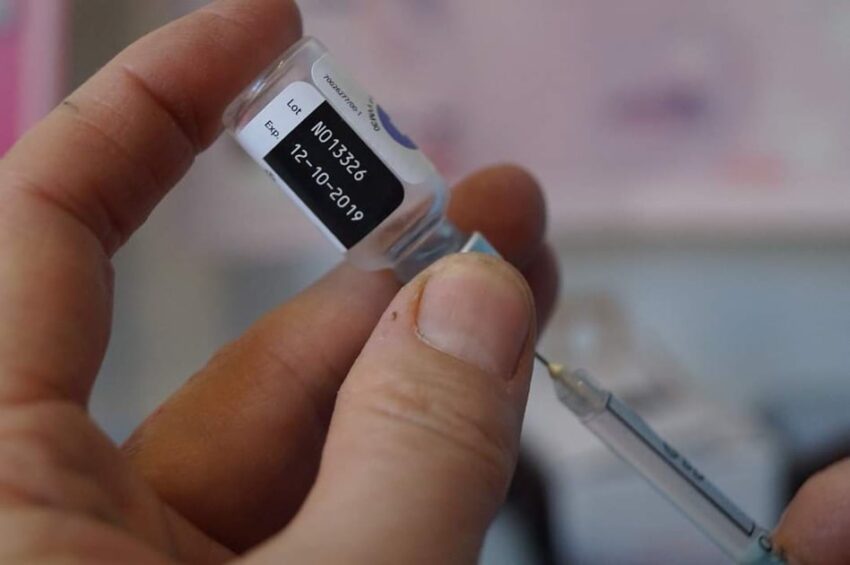
Medical professionals are considering whether one dose of the HPV vaccine may be enough to protect preteens instead of the current two-dose regimen. The discussion comes as federal health officials and medical organizations debate the best approach for vaccination protocols.
HPV vaccines were first introduced about two decades ago and have since been widely used in children as young as nine years old. Originally, the vaccine was recommended for girls and given in three doses over six months, according to The Associated Press.
Health authorities changed the recommendation in 2016 to two doses for children who begin the vaccination series before their 15th birthday. People who begin the series at ages 15 through 26 generally receive three doses.
Since HPV vaccines were introduced, countries around the world have seen significant drops in infections, genital warts and precancerous cervical lesions. HPV can cause cervical cancer as well as several other cancers in women and men.
In 2020, the American Cancer Society updated its cervical cancer screening guidelines, raising the recommended starting age for screening from 21 to 25 for people at average risk.
The University of Minnesota’s Vaccine Integrity Project recently reviewed nearly 300 studies and found that HPV vaccines are safe and effective in preventing cervical cancer and persistent HPV infections. Angela Ulrich, who led the review, said the evidence demonstrates the importance of HPV vaccination in preventing persistent infections that can lead to cancer.
The review also found evidence suggesting that one dose may provide enough protection for females against some of the most dangerous HPV strains and a precancerous cervical condition. However, researchers said evidence remains limited for males and for protection against other HPV-related cancers.
The debate over a one-dose schedule intensified after Health and Human Services Secretary Robert F. Kennedy Jr. directed changes to the childhood immunization schedule in January 2026. The changes included reducing the recommended HPV vaccine schedule to one dose.
Kennedy had previously worked as an attorney and consultant in litigation against Merck involving its Gardasil HPV vaccine. He also previously made claims that Gardasil increased the risk of cervical cancer. Medical evidence does not support that claim.
A federal judge later stayed the January 2026 memo that revised the childhood immunization schedule. The legal action left the previous HPV vaccination recommendations in place while the case proceeds.
The possibility of a one-dose schedule was being studied before Kennedy became health secretary. Researchers and vaccine experts had already been examining whether one dose could provide sufficient protection.
A major clinical trial in Costa Rica involving more than 20,000 girls ages 12 to 16 provided important new evidence. The girls were followed for five years.
Researchers found that one dose provided protection against persistent HPV infection that was comparable to two doses. The results strengthened the case for considering a simpler vaccination schedule.
The World Health Organization has supported a single-dose HPV vaccination option since 2022 in certain circumstances. A one-dose schedule could make vaccination easier and less expensive in countries where access to health care is limited.
In 2024, developments in HPV research prompted a CDC advisory committee to form a work group to examine whether vaccination recommendations should be revised.
The American Academy of Pediatrics is also examining the evidence. A review reported by the organization in May 2026 said one dose may be enough to protect females against certain high-risk HPV strains and cervical precancer.
However, experts have cautioned that important questions remain. Evidence about single-dose protection in males is more limited. Researchers also want more information about how long protection lasts and how well one dose prevents cancers other than cervical cancer.
For now, the longstanding CDC recommendation remains an important reference point for HPV vaccination in the United States. The continuing research could eventually lead health authorities and medical organizations to reconsider how many doses children need.
The debate now centers on whether the growing evidence for a single dose is strong enough to support a lasting change in U.S. vaccination recommendations.
IMAGE: Gardasil in Armenia. Photo: Omicroñ’R / Wikimedia, taken 2019-02-26, CC BY-SA 4.0