
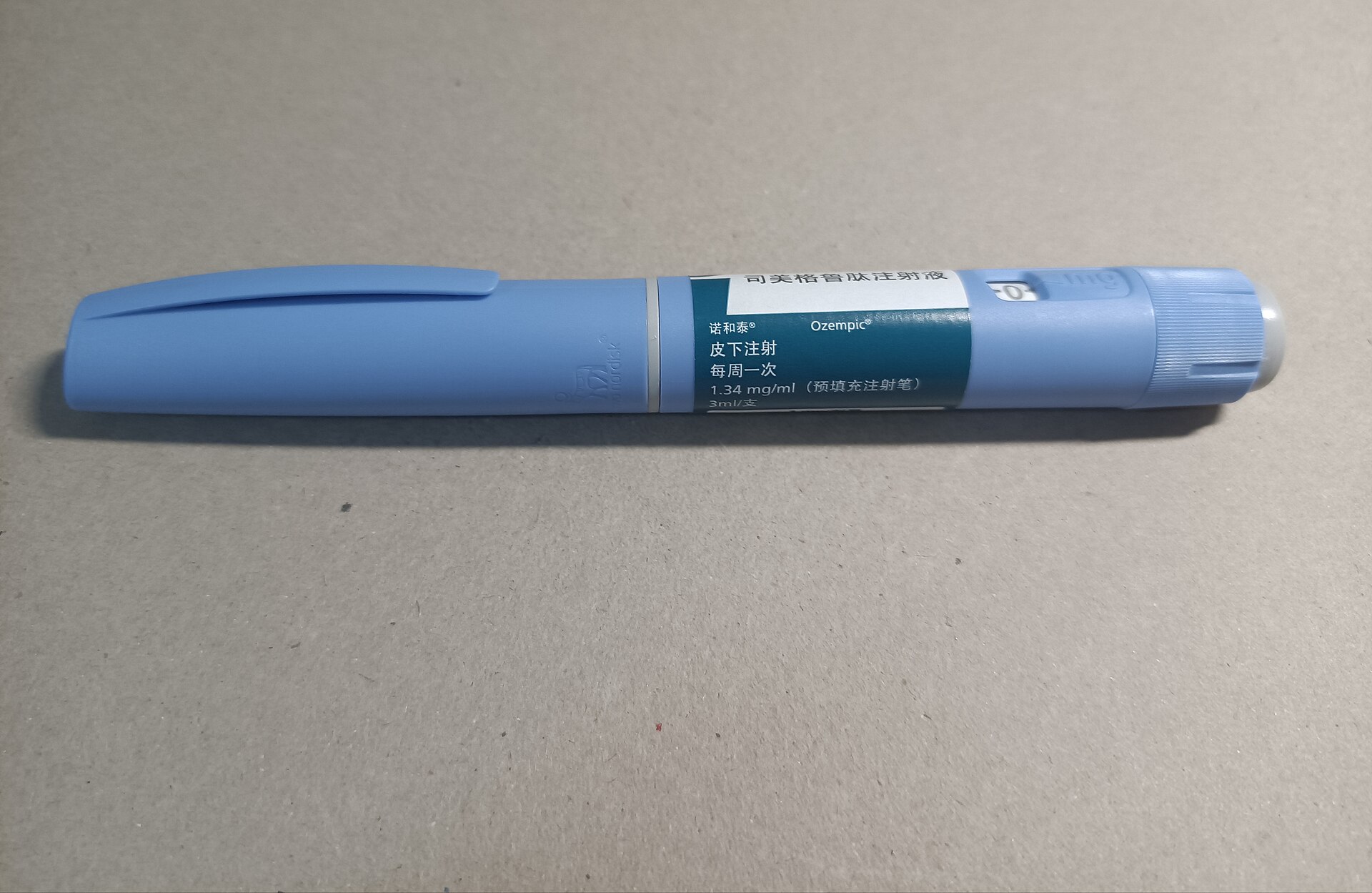
Scientists in the UK studied medical records of people with asthma and COPD who began taking GLP-1 drugs including semaglutide, the active ingredient in Ozempic and Wegovy. They compared those patients to individuals using another type of diabetes medication called sulfonylureas. The researchers found that people on GLP-1 drugs had fewer asthma and COPD flare-ups than those on sulfonylureas. Specifically, semaglutide was linked to nearly a 40% drop in asthma attacks and a 20% reduction in COPD flare-ups.
The respiratory study was led by Professor Chloe Bloom of Imperial College London’s National Heart and Lung Institute. Researchers conducted four parallel studies that each included between 20,000 and 22,000 people.
These findings were presented at the European Respiratory Society Congress, though they have not yet been peer-reviewed, according to Gizmodo. The study authors emphasized that the results show a connection, but not a direct cause-and-effect relationship. They also warned that people with respiratory conditions should not begin taking GLP-1 drugs solely to treat those issues. Still, the results are promising enough to warrant further study in clinical trials that track respiratory health along with weight and metabolic changes.
The researchers noted that obesity and metabolic issues are often linked to breathing problems like asthma and COPD. They also highlighted that tirzepatide, which activates both GLP-1 and GIP receptors, has already been approved for treating moderate-to-severe obstructive sleep apnea in adults with obesity. The FDA approved Zepbound for that purpose in December 2024.
Beyond respiratory health, GLP-1 drugs may also influence mental well-being and behavior, according to a report from medindia.net. Studies suggest these medications could lower the risk of worsening depression and anxiety, particularly with semaglutide. In a large Swedish study, people using semaglutide had a 42% lower chance of their mental illness getting worse. Liraglutide also showed some benefit, but the effect was smaller than with semaglutide. Exenatide and dulaglutide did not show clear benefits in that same study.
The Swedish study was published in The Lancet Psychiatry and included 95,490 people who had depression, anxiety or both and were using diabetes medications. Of those, 22,480 used GLP-1 receptor agonists during the study period. The researchers defined worsening mental illness using outcomes including psychiatric hospitalization, extended psychiatric sick leave, hospitalization for self-harm or death by suicide.
Other research has found that GLP-1 drugs may reduce binge eating and food-related thoughts. These medications were also linked to less emotional eating and more control over food cravings. Research published in 2026 also found that people using semaglutide reported reductions in persistent thoughts about food sometimes described as “food noise.”
The connection between diabetes, obesity, and mental health is well established, with people with diabetes being two to three times more likely to suffer from depression. This relationship shows how physical and emotional health can affect each other in a cycle that researchers are now exploring with GLP-1 treatments.
While these findings are promising, scientists say more research is needed to confirm that GLP-1 drugs directly improve mental health. The Swedish study was observational, meaning it shows a link but not that the drugs themselves caused the improvements. More clinical trials are needed to better understand how these medications affect mood, anxiety, and behavior. The authors of the Swedish study also called for randomized controlled trials to test the findings.
Overall, GLP-1 drugs like Ozempic and Wegovy are known for helping manage diabetes and weight loss. But new research suggests they may also help with breathing problems and mental health concerns. Ozempic and Wegovy both contain semaglutide, although they have different FDA-approved uses.
These findings open up new possibilities for treating multiple health issues with one class of medications.
HualinXMN / Wikimedia Commons (CC BY-SA 4.0)
This article passed automated originality and source-verification checks before publishing.