
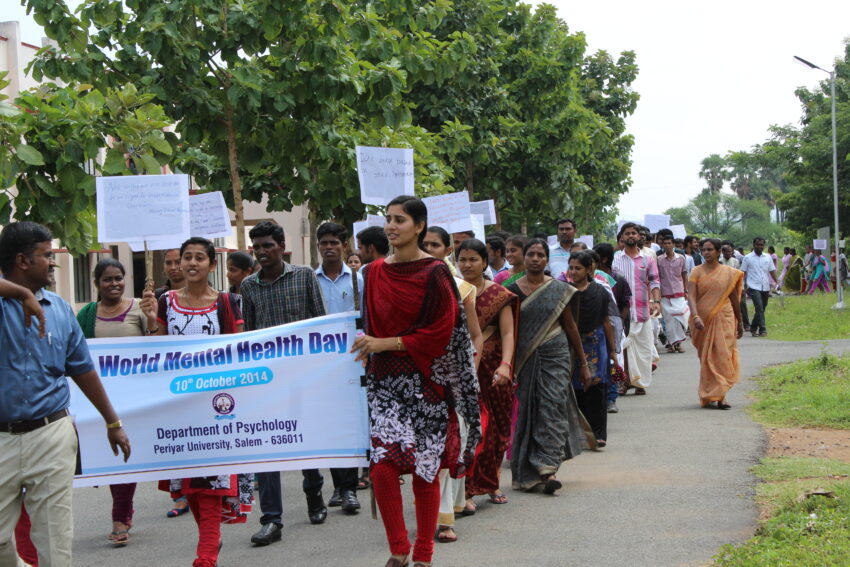
A major global study found that mental health conditions significantly worsened during the pandemic. The research looked at data from many countries and showed that depression and anxiety cases rose sharply. Experts estimate there were over 53 million new cases of major depression and more than 76 million additional anxiety disorders. These numbers show a large increase in mental health problems across the world.
The study reviewed information from 48 sources, mostly from Western Europe and North America. It used a method that estimates how many people were affected based on available data. The results showed that countries with more cases of the virus and stricter lockdowns had higher increases in mental health issues. This suggests that the stress of isolation and fear played a big role.
Women were affected more than men, especially when it came to depression and anxiety. The rise in depression was 29.8% for women compared to 24.0% for men. For anxiety, the increase was 27.9% among women versus 21.7% for men. Young adults aged 20 to 24 had the highest increase in mental health problems. In this age group, there were over 1,100 new depression cases per 100,000 people and more than 1,300 anxiety cases per 100,000.
Older adults showed lower increases in these conditions. The study also noted that the data had some limitations. Many of the numbers were estimates based on surveys or reports rather than official clinical diagnoses. Researchers said it’s hard to know exactly what caused the rise in mental health issues without more detailed information. They also pointed out that more studies are needed to understand how best to help people.
Another study focused on public health policies in the United States. It compared how Republican and Democrat-led states responded to the virus. The research found that Republican-led states had weaker public health measures overall. These states scored about 10 percentage points lower on a scale measuring protective actions. This was linked to more new cases of the virus.
The study looked at 15 categories of health policies, including mask mandates and shelter-in-place orders. It used a model that took into account differences in population density, poverty levels, and medical resources. The researchers said most public health decisions came from governors, who are often tied to political parties. They found that states with Republican leaders had more relaxed approaches to the virus.
This pattern was seen throughout the pandemic, especially between March and November 2020. A drop of 10 points in protective policy scores meant about an 8% increase in new cases. The study also noted that not all states followed the same approach. Some had different situations or voter bases that may have affected their choices.
Experts said this shows how important it is to make public health decisions based on science, not politics. They believe better cooperation between parties could lead to stronger responses during health emergencies.
In other news, outbreaks of bird flu were reported in Russia and Kazakhstan. The World Organization for Animal Health shared details about new cases of H5 avian flu in poultry. In Russia, three outbreaks occurred in the southwest part of the country near Kazakhstan. These events involved backyard birds and caused many deaths. One outbreak killed 963 out of 2,554 birds.
Kazakhstan also reported a recent outbreak. It happened in a village close to Russia’s border. The virus killed over 1,300 birds out of nearly 3,500 that were susceptible. The source of the infection is still unknown. Both countries are working to control the spread of the disease.
These bird flu cases are concerning because they can affect animals and sometimes humans. Officials are monitoring the situation closely. They are trying to prevent more outbreaks and protect both animal and public health.
IMAGE: Mental Health awareness rally on October 10 2014.. Photo: Chinchu.c / Wikimedia, taken 2014-10-10, CC BY-SA 4.0
This article passed automated originality and source-verification checks before publishing.