
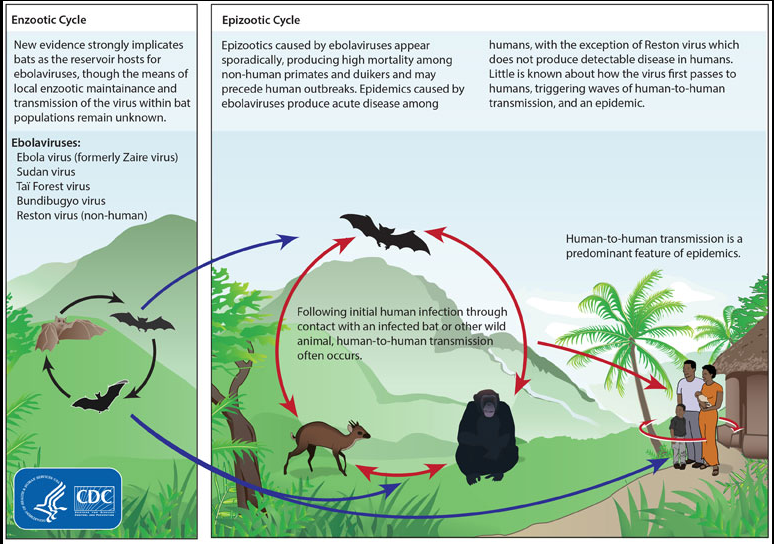
The number of confirmed Ebola cases continues to rise across Central and East Africa, with the outbreak now spanning multiple regions. The Democratic Republic of the Congo has reported over 2,000 infections and nearly 800 deaths, making it one of the largest outbreaks in recent history. The disease is caused by a rare strain known as Bundibugyo, which is not covered by existing vaccines or treatments. Health authorities are working to contain the spread, but challenges remain due to limited resources and ongoing instability in affected areas.
Uganda has also reported cases of the virus, with 20 confirmed infections and two deaths. The last patient in Uganda has been discharged, marking a key step toward ending the outbreak there. However, no clear transmission chains were found in Uganda, and the fatality rate was significantly lower than typical Ebola outbreaks. Officials say preparedness played a major role in limiting the number of deaths. Travel restrictions imposed by several countries, including the United States, are now being reconsidered as progress is made in controlling the disease.
In the Democratic Republic of the Congo, efforts to stop the outbreak have been hampered by conflict and limited access to affected communities. An attack on a treatment center in Ituri province forced patients to flee, further complicating response efforts. Health authorities are now implementing a new roadmap to manage the outbreak more effectively. This plan includes steps for early detection, contact tracing, and community engagement. The Africa Centres for Disease Control and Prevention has praised these measures as a necessary shift in how the outbreak is being handled.
The situation remains serious, with health officials warning that the number of cases could grow significantly if containment efforts are not strengthened. A modeling report from the Centers for Disease Control and Prevention suggests that without proper isolation and treatment, the outbreak could reach over 20,000 cases and more than 2,000 deaths. Even in a best-case scenario, there is still a risk of surpassing 10,000 infections within three months. These projections are based on current data and highlight the urgent need for global support.
The outbreak has also raised concerns about misinformation and public trust in health authorities. Some communities believe the disease is a hoax or that it was introduced by foreign aid workers. This lack of trust makes it harder to implement effective control measures. In addition, the region’s ongoing conflict and displacement of people have made tracking the spread more difficult. Health workers are struggling to reach all affected populations due to dangerous conditions and limited infrastructure.
Efforts to increase testing capacity and expand treatment centers have shown some progress. More than 800 beds are now available for patients, and laboratories have expanded from one to sixteen. Community health workers are being trained in large numbers, and safe burial practices have improved. Despite these advances, the outbreak continues to outpace response efforts, especially in Ituri province where most new infections are occurring outside known contact networks.
The World Health Organization has warned that while the global risk remains low, the situation is still serious at the national and regional levels. Countries like France and Canada have imposed travel restrictions and monitoring systems for those returning from affected areas. The United States has also taken steps to screen travelers and limit entry from high-risk regions. However, no cases have been confirmed in the U.S. so far.
The current outbreak is not only a public health challenge but also a sign of broader issues in global health security. Experts point to reduced international aid, weakened support for agencies like USAID and the CDC, and political isolationism as contributing factors. These trends make it harder to respond quickly to outbreaks and prevent them from spreading further. The situation underscores the need for sustained investment in disease surveillance, preparedness, and international cooperation.
As health officials continue their work, they remain focused on stopping transmission and saving lives. The path forward requires strong leadership, adequate funding, and global coordination. Without these elements, the outbreak could become even more severe. For now, progress is being made, but vigilance and continued action are essential to prevent further loss of life.