
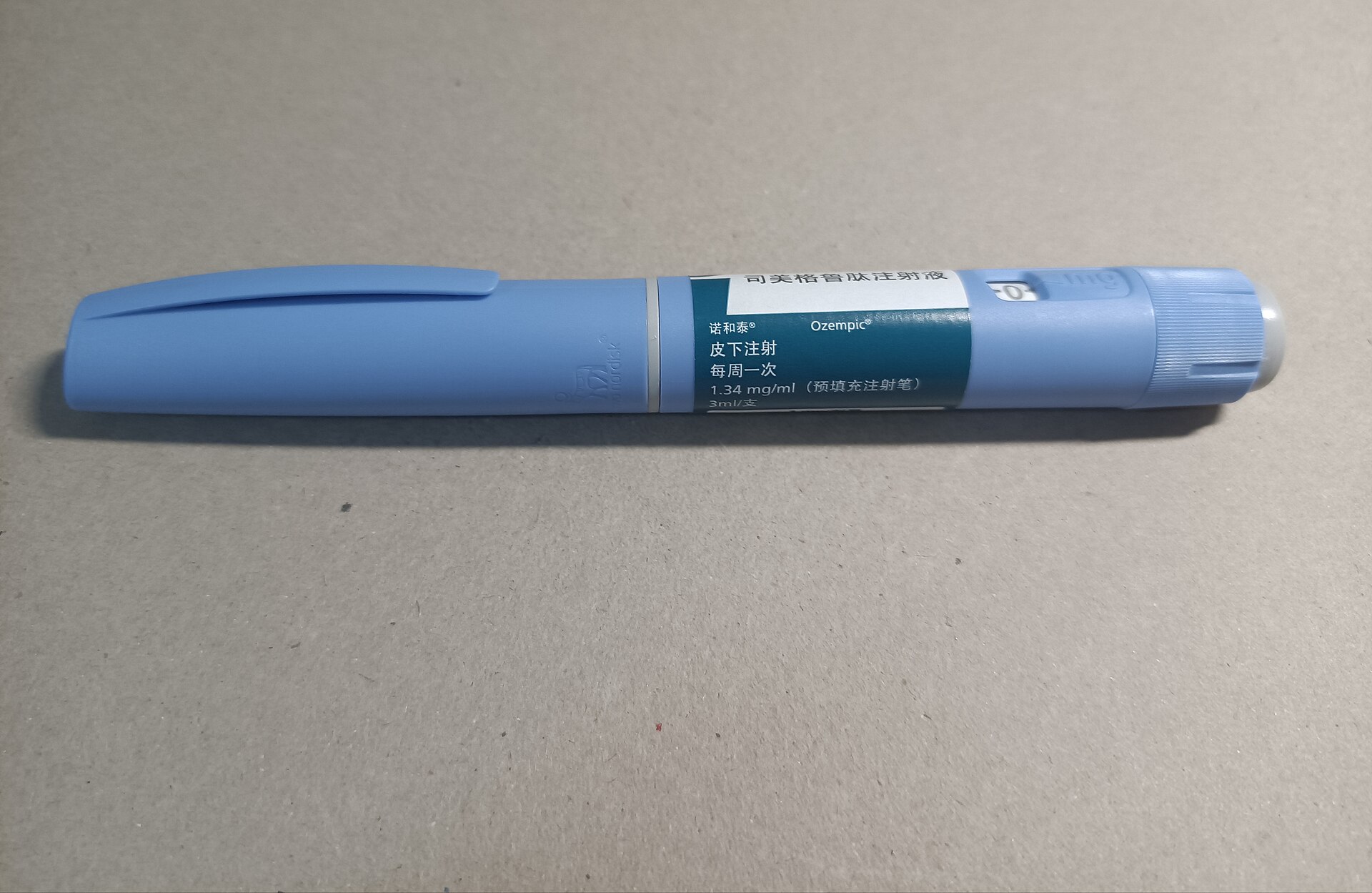
Mercedes, a woman living in Canada, shared her emotional reaction when her doctor told her she could be prescribed GLP-1 weight loss injections. She said she cried in the office after hearing that this treatment might finally help her with a lifelong struggle with weight.
Mercedes described using several different medications over time including Ozempic, Wegovy, Contrave, Mounjaro, and Zepbound, according to The Guardian. Ozempic and Wegovy are GLP-1 receptor agonists, Mounjaro and Zepbound act on both GLP-1 and GIP receptors, and Contrave is a non-GLP-1 oral medication. Ozempic is a type 2 diabetes medication, while Wegovy is approved for chronic weight management. Mounjaro and Zepbound have shown even stronger effects in helping people lose weight. In a head-to-head obesity trial, tirzepatide produced an average weight reduction of 20.2%, compared with 13.7% for semaglutide after 72 weeks.
The popularity of these medications has grown rapidly due to clinical studies showing they can help users lose between 15% and 20% of their body weight. Some research also suggests that GLP-1 drugs may help with other health issues like heart disease and fatty liver conditions.
However, not all patients see the same results from these treatments. Mercedes said that even though she tried multiple medications, the experience was difficult and expensive. She also noted how hard it was on her self-esteem to feel like the treatments were not working.
She described intense cravings that felt similar to withdrawal from heroin. Despite her efforts, she found that her weight did not change much over time.
Another patient named Yury K from Canada also tried Wegovy for obesity but saw minimal weight change after six months. He said Wegovy reduced his appetite and improved his blood sugar and cholesterol, but his weight remained around 242 pounds after six months.
Lucille, another patient, shared a similar experience where the drugs no longer worked for her. She said that it felt like nothing was helping anymore, even after trying various options.
Experts say the reason for such different responses among patients is still unknown. The effectiveness of GLP-1 medications varies widely between individuals, and researchers have yet to fully understand why. Researchers are investigating possible influences including age, sex, diabetes status, ancestry, hormones and genetic differences.
Some patients find relief with these treatments while others do not experience the expected benefits.
IMAGE: HualinXMN / Wikimedia Commons (CC BY-SA 4.0)