
Scientists are examining how dust on Mars could affect future human missions to the planet. A panel of experts including toxicologists, volcanologists, and habitat designers reviewed the risks. The Apollo missions had already shown that dust poses serious problems for astronauts.
Dust from the moon was found to be sharp and glassy, causing damage to equipment and health issues, according to boingboing.net. Panel member Brian Hynek from CU Boulder compared the hazards of the moon and Mars. He noted that while Martian dust is less jagged than lunar dust, it still carries harmful substances.
Silica and heavy metals in the Martian soil are known to cause cancer. Hynek expressed concern about growing food on Mars due to contamination risks. Another panelist, Shaunna Morrison from Rutgers, said the risks are manageable with proper planning.
She emphasized that sealed habitats and low humidity levels make dust particles stay airborne. No actual Martian dust has been brought back for testing, so scientists rely on simulations, rover data, and other methods. Morrison said the best approach is to prevent problems before they begin.
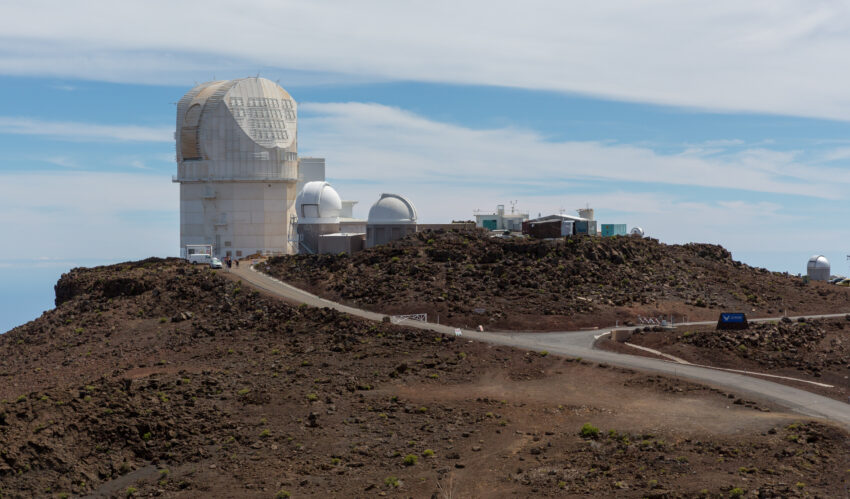
Meanwhile, a new image from NASA’s Daniel K. Inouye Solar Telescope shows the sun’s surface in visible light, according to a report from Wired. This is one of the most detailed views of the sun’s surface taken in visible light so far. Unlike other solar images that use invisible wavelengths, this one captures what the human eye might see.
The image reveals small vortices on the sun’s surface caused by a process called Kelvin-Helmholtz instability. This happens when two fluids flow at different speeds and create swirling patterns at their boundary. The same process occurs in Earth’s oceans and atmosphere, but it is especially visible on the sun.
These structures are only a few dozen kilometers across and constantly form and disappear. The Inouye telescope allowed scientists to see these features in much greater detail than before. This high-resolution view helps researchers understand how the sun transfers energy and heats its outer atmosphere.
The image covers an area about the size of Earth’s radius and is the highest resolution visible-light image of the sun yet taken.
IMAGE: Haleakala Observatory in the summit area of Haleakalā volcano. Photo: Ekrem Canli / Wikimedia, taken 2017-07-30, CC BY-SA 4.0