
Republican and Democratic lawmakers are demanding answers about Nvidia’s export practices, national security concerns, and President Donald Trump’s involvement in restoring Jensen Huang as CEO.
Nvidia’s decision to reinstate chief executive Jensen Huang has drawn bipartisan criticism in Congress, with lawmakers demanding further investigations into the company’s handling of national security concerns and advanced semiconductor exports. The board announced Huang’s return on November 23, 2026, less than two weeks after his resignation following reports of an extramarital relationship involving a woman suspected of having connections to Chinese intelligence.
The controversy has placed Nvidia at the center of a congressional debate over corporate accountability, artificial intelligence technology, and the protection of American national security interests.
Lawmakers are preparing to question Huang at upcoming congressional hearings, despite assurances from Nvidia that his reinstatement presents no national security risk.
Republicans Raise Concerns About Huang’s Return
Several Republican lawmakers have questioned Nvidia’s decision to restore Huang to his leadership position, despite President Donald Trump’s support for the move.
Senator Pete Ricketts of Nebraska expressed concerns about Huang’s conduct and emphasized that his reinstatement should not interfere with congressional investigations.
Senator John Curtis of Utah also sought clarification about the government’s involvement in the board’s decision. Nvidia acknowledged receiving information from senior government officials before approving Huang’s return.
Republican lawmakers have emphasized the need to examine whether Nvidia complied with restrictions governing the sale of advanced computing technology to China.
The criticism demonstrates that concerns about semiconductor exports extend beyond disagreements between the two major political parties.
Democrats Demand Answers From Nvidia and Trump
Democratic lawmakers have also criticized the reinstatement and called for additional investigations.
Senator Elizabeth Warren of Massachusetts, the ranking Democrat on the Senate Banking Committee, questioned whether Nvidia had adequately addressed concerns regarding its compliance with American export restrictions.
According to Axios, Warren also demanded an explanation of the information government officials provided to Nvidia’s directors before they approved Huang’s return.
Senate Minority Leader Chuck Schumer argued that the controversy reinforced the need for stronger restrictions on advanced semiconductor exports to China.
Democratic lawmakers have also questioned whether Trump’s financial interests in Nvidia influenced his support for Huang.
The White House has rejected suggestions of improper financial motivation, maintaining that independent financial institutions manage the president’s investment portfolio.
Congressional Hearing Scheduled for December 3
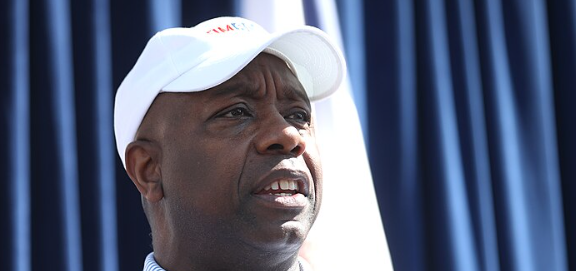
Senator Tim Scott of South Carolina, chairman of the Senate Banking Committee, announced that Huang would testify publicly on December 3.
The hearing, titled Protecting America’s AI Advantage: Oversight of US Export Controls, is expected to examine Nvidia’s responsibilities under federal technology export regulations.
Huang’s testimony will provide lawmakers with an opportunity to question him directly about the company’s activities, his relationship with the businesswoman, and the circumstances surrounding his reinstatement.
The Associated Press reported that congressional investigations would continue despite the board’s decision to restore Huang as chief executive.
Several House committees are also examining issues involving Nvidia’s international business relationships and compliance with national security requirements.
Alleged Intelligence Connections Remain Under Investigation
The controversy began after reports emerged concerning Huang’s relationship with Alice Huang, a business executive associated with Singapore-based technology company Megaspeed.
ABC News reported, citing sources familiar with American intelligence findings, that Alice Huang had communicated with an official connected to China’s intelligence services.
The precise nature of those communications and their implications for Nvidia remain subjects of investigation.
Chinese officials have rejected the espionage allegations. No publicly established finding of criminal wrongdoing by Jensen Huang was identified in the reporting reviewed.
Nvidia maintains that its chief executive’s return does not pose a national security risk. However, the company’s investigations into possible foreign intelligence activity and export-control compliance remain ongoing.
Semiconductor Exports Draw Increased Scrutiny
Nvidia’s position as a leading supplier of artificial intelligence processors makes its international commercial activities particularly important to American policymakers.
Advanced semiconductors support a broad range of applications, including scientific research, commercial artificial intelligence systems, and military technologies.
The US government maintains restrictions on certain technology exports to China because of concerns about potential military and intelligence applications.
Treasury Secretary Scott Bessent previously expressed frustration over delays involving proposed restrictions on technology exports to Megaspeed.
Lawmakers want to determine whether government agencies and commercial suppliers adequately monitored the distribution of advanced processors.
The investigations could also examine how export licenses were approved and whether existing safeguards effectively prevented unauthorized transfers of restricted technology.
Trump Defends His Intervention
Trump has publicly claimed that he helped persuade Nvidia’s directors to restore Huang as chief executive.
During an interview with CNBC, the president indicated that the board might not have reinstated Huang without his involvement.
His position has generated questions about the relationship between government officials and corporate boards, particularly when a company operates in an industry with national security implications.
However, Huang reportedly disputed the suggestion that presidential pressure determined his reinstatement.
Reuters reported on November 24 that Huang addressed employees at Nvidia’s California headquarters, acknowledged violating elements of the company’s code of conduct, and expressed regret over his actions.
The differing accounts leave questions about the extent of government involvement in the board’s decision.
Corporate Governance Remains Under Scrutiny
The controversy has renewed discussion about how corporate directors should respond when senior executives violate company policies or face serious allegations.
A board of directors must consider shareholder interests, regulatory obligations, leadership stability, and standards of executive conduct.
Huang’s importance to Nvidia presents a particularly complicated situation. He co-founded the company in 1993 and helped transform it into a major supplier of computing equipment for artificial intelligence.
Nevertheless, his commercial importance does not eliminate the board’s responsibility to investigate potential misconduct or ensure compliance with federal regulations.
Nvidia’s decision to restore Huang while investigations continue has prompted questions about how the company balances those responsibilities.
The December 3 Senate hearing will give lawmakers an opportunity to examine those issues publicly. Investigators are expected to seek further information about Nvidia’s export practices, potential security risks, and the circumstances that led to Huang’s reinstatement.
IMAGE: Source Tim Scott Author Gage Skidmore from Surprise, AZ, United States of America CC2