
Heart specialists explain how damaged valves are evaluated, why some patients need open-heart surgery, and how newer treatments and specialized care can improve recovery.
Heart valve surgery can range from repairing a single damaged valve to treating several serious heart conditions during one operation. Choosing the safest treatment depends on the patient’s anatomy, overall health and the severity of the disease.
Some patients can undergo minimally invasive procedures or receive treatment through a catheter without traditional open-heart surgery. Others require more complex operations because of severe valve damage, calcium deposits, infections or abnormalities present since birth.
Updated international heart disease guidelines emphasize the importance of specialized teams in making these decisions. The recommendations also stress that choosing the right time for treatment can be as important as selecting the procedure itself.
What Makes Heart Valve Surgery Complex?
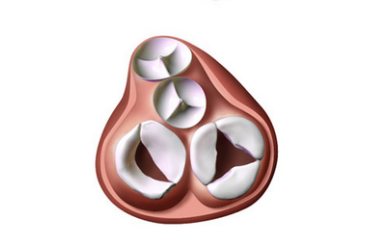
The heart has four valves that control blood flow: the aortic, mitral, tricuspid and pulmonary valves. Each opens and closes to keep blood moving in the correct direction.
Problems develop when a valve becomes too narrow or fails to close properly. A narrowed valve, called stenosis, restricts blood flow, while a leaking valve, known as regurgitation, allows blood to move backward.
Some patients have problems affecting more than one valve. Others have additional conditions such as coronary artery disease, heart rhythm disorders or weakened heart muscles that complicate treatment.
Severe calcium buildup can make a valve stiff and difficult to repair. Previous heart operations, damaged tissue from infection and unusual heart anatomy can also increase surgical challenges.
Patients with complex conditions may require several procedures during one operation. For example, surgeons might repair a mitral valve while also treating a damaged tricuspid valve or performing coronary bypass surgery.
Why Surgeons Often Prefer Valve Repair
Whenever a durable repair is possible, preserving the patient’s natural valve can offer important benefits. This is particularly true for degenerative mitral valve disease, in which the valve’s supporting tissues weaken and allow blood to leak backward.
Repairing the existing valve may preserve normal heart function and help patients avoid complications associated with artificial replacements. It can also eliminate the need for lifelong blood-thinning medication that accompanies mechanical valve replacement.
However, repair is not always the best option. A heavily calcified, badly damaged or infected valve may need to be replaced.
The 2025 European Society of Cardiology and European Association for Cardio-Thoracic Surgery guidelines favor surgical mitral valve repair for severe primary mitral regurgitation when a lasting repair is achievable. They also recognize the growing role of catheter-based treatments for selected patients.
The central question is whether a repair will remain effective over time. Surgeons must consider both the immediate result and the likelihood of future valve problems.
How Doctors Decide Which Treatment Is Best
Detailed imaging plays an essential role in preparing for heart valve surgery. The process usually begins with an echocardiogram, which uses ultrasound to show how the heart and its valves are working.
An echocardiogram can reveal blood leaking through a valve, restricted blood flow and changes in heart chamber size. It can also help determine whether the heart muscle has started to weaken.
Some patients undergo a transesophageal echocardiogram, which uses a small ultrasound probe passed into the esophagus. This provides detailed images of valve structures that may be difficult to see from outside the chest.
CT scans can help doctors examine calcium buildup, blood vessels and anatomical details needed for treatment planning. Cardiac MRI may provide additional information about heart muscle function and the severity of certain valve problems.
Doctors combine these findings with symptoms, medical history and an assessment of surgical risk. The goal is to identify a treatment that offers meaningful benefits without exposing the patient to unnecessary complications.
When Minimally Invasive Surgery Is Possible
Medical advances have expanded treatment options for people with heart valve disease. Some operations can now be performed through smaller chest incisions, sometimes with assistance from robotic equipment.
These approaches may reduce certain surgical complications, shorten hospital stays and allow faster recovery in appropriately selected patients. However, they still involve major heart procedures and are not suitable for everyone.
Catheter-based treatments offer another option. During these procedures, doctors guide specialized devices through blood vessels to reach the heart, often avoiding a large chest incision.
Transcatheter aortic valve replacement, commonly called TAVR, is an established treatment for certain patients with severe aortic stenosis. Other catheter-based techniques can repair leaking mitral and tricuspid valves in selected cases.
One technique, transcatheter edge-to-edge repair, uses a device to bring portions of a leaking valve together. The procedure can reduce regurgitation without removing the patient’s natural valve.
The 2025 European guidelines expanded recommendations for certain catheter-based mitral and tricuspid treatments. However, they continue to emphasize careful patient selection and the importance of specialized centers.
Why Timing Matters Even Without Symptoms
Heart valve disease can progress for years before a person notices serious symptoms. The heart sometimes compensates for a damaged valve by working harder to maintain blood circulation.
Common warning signs include shortness of breath, fatigue, chest discomfort, dizziness and swelling in the ankles or abdomen. Some patients also experience irregular heartbeats or difficulty performing activities they previously managed comfortably.
The American Heart Association notes that symptoms do not always reflect disease severity. A person may have significant valve damage without feeling particularly unwell.
Waiting until symptoms become severe can increase the risk of permanent heart damage. Enlarged heart chambers, reduced pumping function and elevated pressure in the lungs may develop as the condition progresses.
For that reason, doctors sometimes recommend intervention before symptoms appear. The decision depends on the affected valve, the severity of the disease and evidence of changes in heart function.
Patients who are not yet candidates for surgery may need regular examinations and repeat imaging. Monitoring allows doctors to recognize changes that could make treatment necessary.
The Importance of Specialized Heart Teams
Complex heart valve procedures often require cooperation among several medical specialists. Cardiologists, cardiac surgeons, imaging experts, anesthesiologists and intensive care teams contribute to treatment planning.
These specialists evaluate whether surgery, catheter-based treatment or continued monitoring offers the best balance of benefits and risks.
The 2025 European guidelines place particular emphasis on Heart Valve Centres, which bring together professionals experienced in managing difficult valve conditions. Such centers may be especially valuable for patients with multiple valve disorders, previous operations or unusual anatomy.
Experience matters because complex repairs can require highly specialized techniques. Access to advanced imaging and several treatment options also helps teams adapt when a patient’s condition changes.
Patients considering major valve surgery can ask how frequently a hospital performs the proposed operation. They can also request information about expected outcomes, complications and alternatives.
Recovery After Heart Valve Surgery
Recovery depends on the procedure, the patient’s age and overall health. People undergoing traditional open-heart surgery generally need more recovery time than those receiving certain catheter-based treatments.
After major surgery, patients commonly begin their recovery in an intensive care unit. Medical teams monitor heart rhythm, breathing, blood pressure and signs of bleeding or infection.
Patients are usually encouraged to begin moving as soon as their condition allows. Short walks, breathing exercises and gradually increasing physical activity can help restore strength.
The American Heart Association estimates that recovery from heart valve surgery often takes approximately four to eight weeks. Some patients need longer, particularly after complicated operations or when other medical conditions are present.
Cardiac rehabilitation may provide supervised exercise, education and support for returning to everyday activities. Follow-up appointments and imaging tests help doctors evaluate the repaired or replaced valve.
Patients receiving mechanical replacement valves generally need lifelong anticoagulant medication to prevent dangerous blood clots. Biological replacement valves usually do not require lifelong anticoagulation solely because of the valve, although other medical conditions may require it.
Preparing for Treatment and Long-Term Care
Patients should understand which valve is damaged, how severe the problem is and why a particular treatment has been recommended. They should also ask whether repair is possible and what might make replacement necessary.
For replacement procedures, choosing between mechanical and biological valves requires discussion of durability, medication needs and the possibility of future treatment. Age, lifestyle and other health conditions can influence that choice.
Family members can help patients understand complicated medical information and prepare for recovery. Written instructions about medications, physical activity and follow-up appointments can also make the transition home easier.
Heart valve treatment does not always end with a successful procedure. Regular monitoring remains important because repaired valves can develop new leaks and replacement valves may deteriorate over time.
The goal is to improve blood flow, protect heart function and help patients maintain their quality of life. Advances in surgery, imaging and catheter-based treatments have expanded the available options, but choosing the right approach still requires careful individual evaluation.
IMAGE: Source Own work Author BruceBlaus. When using this image in external sources it can be cited as Blausen.com staff (2014). “Medical gallery of Blausen Medical 2014”. WikiJournal of Medicine 1 (2). DOI:10.15347/wjm/2014.010. ISSN 2002-4436 CC3