
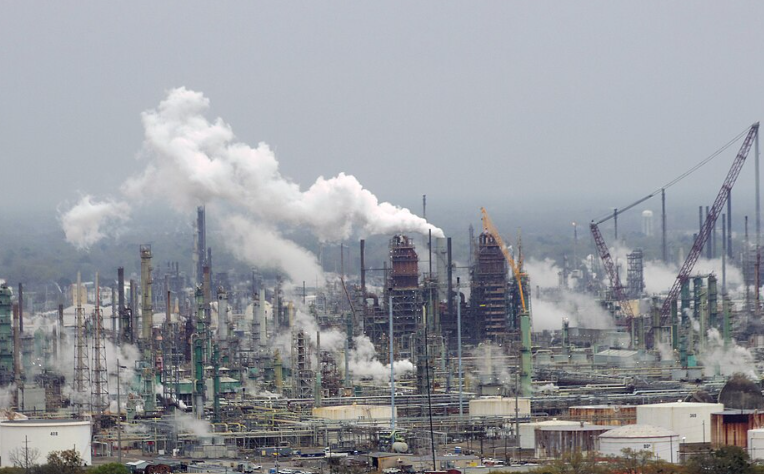
Major oil companies reported sharply higher third-quarter 2026 earnings as wars in the Middle East and Ukraine disrupted energy supplies, boosted refining profits and increased fuel costs for consumers.
Major oil companies reported sharply higher profits for the third quarter of 2026 as military conflicts disrupted global energy markets and pushed fuel prices higher. ExxonMobil, Chevron and Shell together earned more than $37 billion during the July-to-September period, while American consumers continued paying substantially more for gasoline and diesel.
The earnings announcements, released October 29 and 30, showed how supply disruptions have benefited companies capable of producing and refining petroleum products. The US-Israeli war with Iran and continuing attacks on energy infrastructure during the Russia-Ukraine war have reduced available supplies of oil and refined fuels.
The surge has renewed debate over whether energy companies should pay additional taxes on exceptional profits. It has also raised questions about how long high prices will continue and whether the industry can replace disrupted supplies.
ExxonMobil and Chevron Report Soaring Earnings
ExxonMobil reported third-quarter net earnings of $15.4 billion, more than double its profit from the same period in 2025. Its adjusted earnings reached $17.5 billion, exceeding Wall Street expectations.
Chevron reported quarterly earnings of $9.9 billion, compared with approximately $3.5 billion a year earlier. That represented an increase of about 180 percent, supported by higher refining margins and strong operating performance.
Shell also benefited from the energy market disruptions. The European company reported approximately $12.1 billion in net income attributable to shareholders, more than twice the $5.3 billion recorded a year earlier.
Shell’s adjusted earnings reached $10.8 billion, compared with $5.4 billion in the third quarter of 2025. The combined reported net earnings of ExxonMobil, Chevron and Shell amounted to approximately $37.4 billion.
These figures represent an exceptionally profitable quarter, although describing every company’s results as an all-time record would be inaccurate. Some companies recorded higher earnings during earlier periods of elevated energy prices.
Middle East Conflict Disrupts Oil Supply
One of the biggest contributors to rising petroleum prices has been the disruption of shipping through the Strait of Hormuz. The narrow waterway connects the Persian Gulf with international shipping routes and is essential to global oil and natural gas transportation.
The conflict involving Iran has effectively closed the strait to normal commercial traffic. This has restricted the movement of energy shipments and forced companies and governments to seek alternative supplies and transportation routes.
Military attacks have also damaged energy facilities elsewhere in the Middle East. Disruptions to refineries and related infrastructure have reduced the amount of gasoline, diesel and other petroleum products reaching international markets.
Reuters reported that the supply problems were especially beneficial to companies operating refineries outside the affected areas. With fewer facilities producing fuel, remaining refineries have been able to earn considerably larger margins.
The Russia-Ukraine war has created additional pressure on energy supplies. Ukrainian strikes against Russian refining facilities have disrupted operations and complicated the availability of petroleum products in international markets.
Together, these developments have affected both crude oil production and the ability to turn crude into usable fuels. The distinction matters because shortages of gasoline and diesel can occur even when some crude oil remains available.
Refining Becomes a Major Source of Profits
Oil companies generally operate two major types of petroleum businesses. Upstream operations locate and produce crude oil and natural gas, while downstream operations refine crude and sell petroleum products.
Higher crude prices can benefit oil producers, but refining profits depend on the difference between crude oil costs and the selling prices of finished fuels. That difference is commonly called the refining margin.
During the third quarter, fuel supply shortages substantially increased those margins. ExxonMobil earned more from refining than from its upstream business for the first time in at least six years, according to Reuters.
Chevron also experienced unusually strong refining performance. The company reported record crude processing volumes at its US refineries and said utilization reached 98 percent.
The results demonstrate why higher oil prices are not the only reason for the industry’s stronger earnings. Damage to refining capacity has created an additional source of profit for companies with facilities that remain operational.
Gasoline and Diesel Prices Remain Elevated
Consumers have experienced the other side of the energy supply shock through higher transportation costs. Gasoline prices in the United States have remained well above their levels from a year earlier.
AAA reported that the national average price for regular gasoline was approximately $4.18 per gallon on October 31. That compared with about $3.04 a year earlier, an increase of roughly $1.14 per gallon.
Diesel prices have risen even more sharply. The national average was approximately $6.31 per gallon, compared with about $3.69 a year earlier.
The diesel price was below the record national average of approximately $6.53 reached on September 22, 2026. However, prices remained high enough to create substantial additional costs for trucking companies, farmers and other businesses.
Higher diesel costs can also affect consumers who do not drive diesel vehicles. Trucks transport food, retail products and industrial materials, meaning increased fuel expenses can contribute to higher distribution costs.
Oil prices themselves have been volatile as traders respond to military developments and changes in available supply. Brent crude remained above $110 per barrel in late October, considerably higher than before the conflict involving Iran began.
Oil Companies Balance Dividends and Investment
The extraordinary profits have brought renewed attention to how major oil companies use their earnings. Shareholders can benefit through dividends and stock buybacks, while companies also direct money toward operations, new projects and debt reduction.
ExxonMobil reported distributing $9.4 billion to shareholders during the quarter. That included $4.3 billion in dividends and $5.1 billion through share repurchases.
The company also announced plans for approximately $20 billion in share repurchases in 2027, subject to market conditions. It highlighted investments that have increased diesel production at its US Gulf Coast facilities.
Chevron has placed particular emphasis on maintaining a strong balance sheet. The company reduced net debt substantially during 2026 while continuing investment in production and refining operations.
Although some companies remain cautious about major spending commitments, it would be misleading to suggest that the industry has largely stopped investing in energy projects. Both ExxonMobil and Chevron continue to develop production assets and improve existing facilities.
Oil executives recognize that unusually high refining margins may not last indefinitely. Damaged facilities could return to operation, and shipping conditions could improve if the conflicts ease.
Windfall Taxes Return to Political Debate
The profit surge has prompted renewed discussion about taxing extraordinary energy company earnings. Supporters argue that governments should recover some of the financial gains resulting from exceptional market conditions.
In Europe, several governments have urged consideration of a windfall tax on energy companies. The issue gained attention as households and businesses faced rising energy costs.
European officials have not agreed on a single new region-wide tax. Some policymakers support national measures, while others question whether additional taxation could discourage investment in future energy supplies.
The debate reflects a broader disagreement about how governments should respond when companies earn unusually large profits during international crises. Critics of windfall taxes argue that petroleum earnings fluctuate significantly and that companies also face substantial losses during market downturns.
Supporters counter that temporary taxation could help fund assistance for households struggling with higher fuel and heating bills. The effectiveness of such a policy would depend on its design and how the resulting revenue was distributed.
Energy Supply Remains Uncertain
Energy companies have benefited from rising prices, but the underlying supply problems remain serious. Damaged refineries, disrupted shipping routes and continued military operations have made the global fuel market less predictable.
A sustained improvement would likely require more reliable transportation routes and the restoration of affected energy facilities. Additional production and refinery investment could also help, although major projects often take years to complete.
Renewable energy and electric transportation can reduce dependence on petroleum over time, but they cannot immediately replace all the gasoline, diesel and other products affected by current disruptions.
For now, the industry faces a sharp contrast between corporate earnings and household expenses. The next major developments will depend on the conflicts affecting energy infrastructure, the restoration of supply and whether governments introduce additional measures to address high fuel costs.
IMAGE: Source Own work Author WClarke This file is licensed under the Creative Commons Attribution-Share Alike 4.0 International license.