
U.S. Central Command said American forces destroyed five Iranian crude carriers on Tuesday, four in the Gulf of Oman and one near Kharg Island, triggering a sharp rise in global oil prices. Brent crude crossed $100 per barrel for the first time since July as tensions in the region intensified. The U.S. Central Command also destroyed three Iranian crude carriers on Sept. 5, further escalating tensions in the region. CENTCOM said the Sept. 8 strikes followed attempted Iranian missile attacks on a U.S. Navy warship.
Oil prices have remained above $100 as the week ends. On Friday, Brent was trading around $105.99 per barrel and West Texas Intermediate was near $101.20. Both benchmarks were still more than 10% higher for the week.
Shipping traffic through the Strait of Hormuz dropped to its lowest level since May following these attacks, according to AOL. Data from Kpler showed that only ten commodity vessels crossed the strait per day on average over a ten-day period. The situation has affected not just oil but also fuel costs for consumers around the world.
Traffic has since fallen even further on individual days. Preliminary Kpler data showed just seven vessels crossed the strait on September 10. Before the war, about 125 large commercial vessels passed through the waterway each day.
Drivers in the United States are seeing higher gas prices, with the national average reaching about $4.27 per gallon on September 10, up 13 cents from a week earlier, according to AAA. The shipping crunch has extended beyond the Strait of Hormuz to include other key routes like the Red Sea and Bab el-Mandeb strait. Iran-backed Houthi militants have attacked Saudi Arabia’s oil infrastructure, according to the source text. Recent Houthi attacks forced some Saudi energy facilities to halt operations and injured dozens of people.
Asian refiners are now looking further afield for crude supplies due to ongoing constraints in traditional routes. China has stepped up crude purchases, increasing demand and pushing prices higher despite weak global demand earlier in the year. Analysts say that if Chinese buying continues to recover, it could drive prices higher. ING analysts said China’s recent increase in purchases has strengthened physical crude markets after months of weaker demand.
The conflict has impacted refined products like diesel and gasoline, not just crude oil itself. There is little spare capacity left to rebuild inventories, making the market vulnerable to any new disruptions. The situation has led to a prolonged new normal in oil markets where disruption risk is now seen as persistent rather than temporary. U.S. diesel prices have now passed $6 per gallon on average for the first time, according to GasBuddy.
Global petrol prices have risen significantly in countries like Nigeria and the U.S., reflecting the broader impact on fuel costs. The war involving the United States, Israel and Iran has been ongoing since late February, with oil prices fluctuating widely over the past six months, theglobeandmail.com reported. Brent crude briefly reached nearly $120 a barrel in early stages of the conflict before dropping as hopes for peace emerged.
Recent attacks by Houthi forces have renewed concerns about global oil supply chains and the potential for more disruptions. The cost of diesel has had a strong impact on transportation and agriculture, with long-haul trucking and farming equipment seeing higher fuel costs. Airlines have responded to rising jet fuel prices by cutting flights and raising fares and fees. Ryanair has already reduced some winter flying plans while warning that high oil prices could push fares higher.
The Strait of Hormuz also plays a key role in liquefied natural gas shipments, which are important for fertilizer production. With both oil and gas supplies constrained, the United Nations has said the war could reduce agricultural yields and increase world hunger. The full impact of energy shocks from earlier in the war may still be felt as supply chains adjust to new realities.
The World Food Programme warned earlier this year that fertilizer shortages and high fuel prices could damage future harvests even after the fighting ends. It said millions of additional people could face food insecurity if disruptions continue.
Market analysts are watching how China’s demand for crude oil evolves, as it plays a role in determining price trends. The ongoing conflict has also led to increased scrutiny of regional stability and its effects on global energy markets. OPEC has meanwhile cut its 2026 oil demand growth forecast to 380,000 barrels per day as the global economy adjusts to higher energy prices.
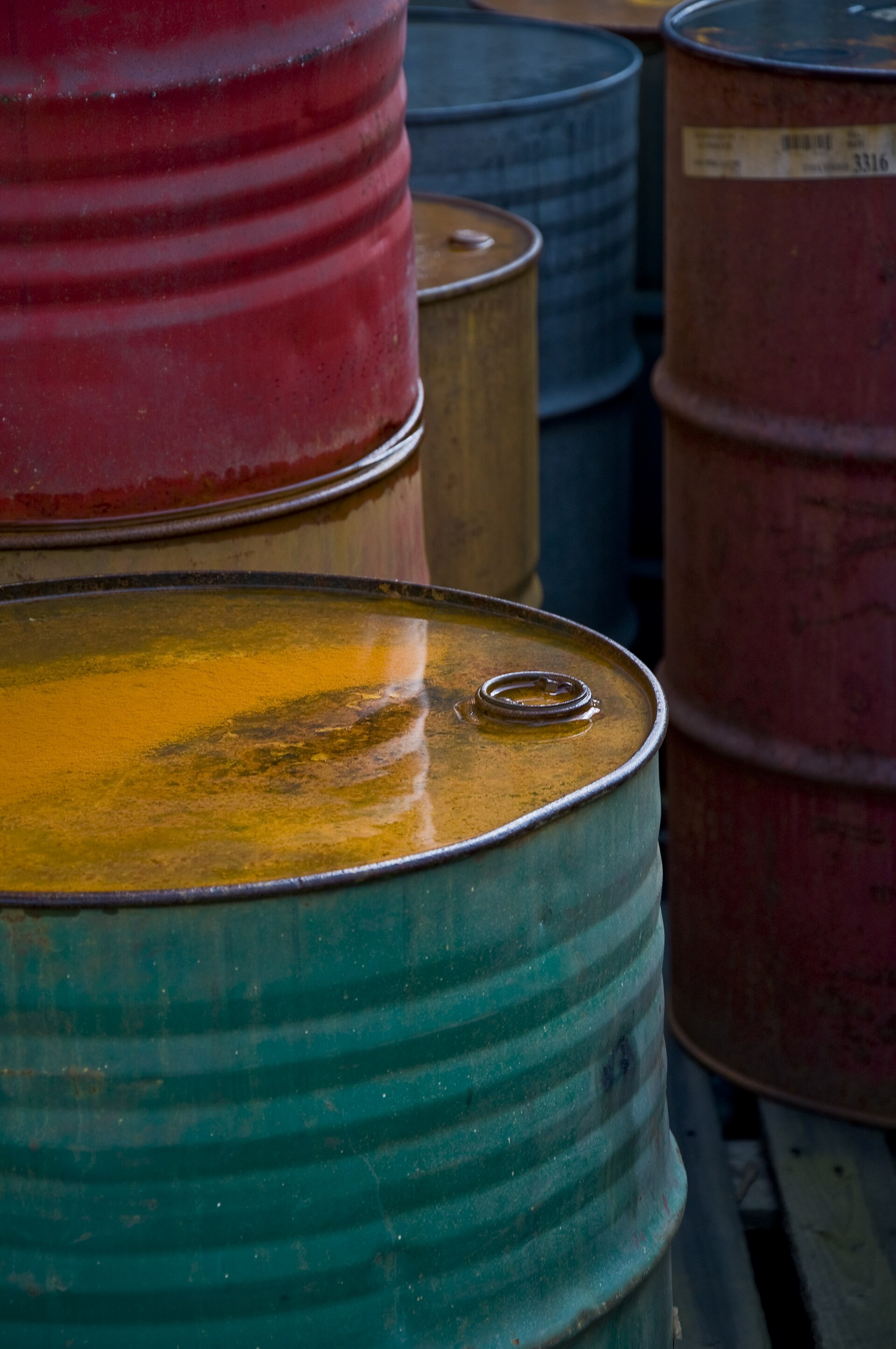
IMAGE: Lars Christopher Nøttaasen / Wikimedia Commons (CC BY 2.0)