
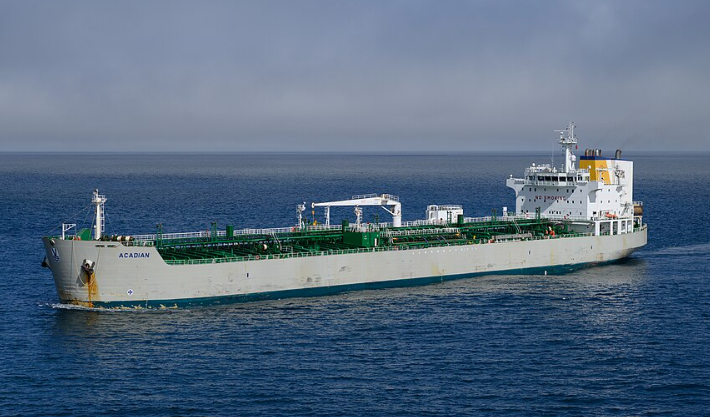
Brent crude reaches its highest level since May as attacks near the Strait of Hormuz, threats to Saudi energy infrastructure and renewed strikes on Russian refineries raise concerns about worldwide oil supplies.
Global oil prices surged Friday, October 16, 2026, as escalating Middle East hostilities and renewed Ukrainian attacks on Russian energy facilities intensified fears of supply disruptions. Brent crude approached $110 per barrel, while U.S. oil prices climbed above $100 amid growing concerns about shipping security and fuel availability.
Brent crude settled at $109.86 per barrel, up $3.94, or 3.7%, its highest closing price since May 19. U.S. West Texas Intermediate crude rose $3.44, or 3.5%, to finish at $101.41 per barrel, its highest settlement since September 17.
The increases extended a volatile week in energy markets. Brent gained approximately 4.9% for the week, while West Texas Intermediate advanced 10.4%, reflecting fears that conflicts in multiple regions could further restrict global petroleum supplies.
Traders were particularly concerned about attacks on commercial vessels near the Strait of Hormuz and missile strikes targeting Saudi Arabia. Ukraine’s decision to resume attacks on Russian oil facilities added another source of uncertainty.
Saudi Arabia Faces New Missile and Drone Attacks
Saudi Arabia reported intercepting several missiles fired toward the kingdom on Friday, including a ballistic missile aimed at the strategically important port city of Yanbu.
The city sits on Saudi Arabia’s Red Sea coast and serves as a major petroleum export center. Its facilities are especially important because they provide an alternative route for Saudi crude shipments when transportation through the Persian Gulf becomes dangerous.
Saudi authorities reported that the missile was intercepted without causing damage to the port. The military also said air defenses destroyed three drones in separate incidents affecting the Riyadh area and southern Saudi Arabia.
The attacks followed additional strikes earlier in the week against Saudi infrastructure, including facilities associated with state-owned oil producer Saudi Aramco.
On October 13, a strike damaged offices at Aramco’s headquarters in Dhahran. The attack increased concerns that the conflict could threaten not only shipping routes but also the facilities responsible for producing and managing oil exports.
Iran-backed Houthi militants have conducted repeated attacks against Saudi targets, including Riyadh’s international airport earlier in October. The escalation has complicated efforts to contain the regional conflict.
Although Friday’s intercepted missile did not damage Yanbu, the threat to major export facilities was enough to alarm energy traders. A successful attack on critical infrastructure could interrupt shipments and further reduce available supplies.
Strait of Hormuz Shipping Faces Growing Danger
The Strait of Hormuz remains one of the world’s most important energy transportation routes. The narrow waterway connects the Persian Gulf with the Gulf of Oman and provides access to international markets.
Historically, roughly one-fifth of global petroleum consumption has passed through the strait, making it particularly important for oil-exporting countries including Saudi Arabia, Iraq, Kuwait and the United Arab Emirates.
Recent attacks have raised the risks associated with transporting crude oil and other cargo through the area.
On October 14, two commercial vessels sank near the strait after being struck by projectiles. One was the Singapore-registered container ship GFS Pride, while the other was the bulk carrier Cape Dao, registered in Antigua and Barbuda.
All 21 crew members aboard GFS Pride were evacuated safely. One crew member aboard Cape Dao was killed, according to maritime officials.
Singapore’s Maritime and Port Authority condemned the attacks and reported that another Singapore-registered vessel had sustained hull damage.
Iranian authorities offered a different explanation for the sinking of GFS Pride, claiming the vessel struck a naval mine after departing from an approved route. Maritime officials reported projectile strikes, and the circumstances surrounding the incident remain disputed.
The growing danger to commercial shipping has increased insurance costs and complicated efforts to restore normal oil exports through the strait.
Even when tankers are not directly damaged, threats to navigation can delay deliveries. Shipping companies may avoid dangerous routes, increase security precautions or face higher insurance premiums.
These additional costs can eventually affect the price of crude oil and refined fuels in importing countries.
Ukraine Resumes Attacks on Russian Oil Refineries
The Middle East was not the only source of pressure on energy markets Friday.
Ukraine resumed strikes against Russian oil infrastructure following a brief pause associated with a proposed energy ceasefire between Moscow and Kyiv.
A Ukrainian attack targeted an oil refinery in Russia’s Ryazan region during the night of October 14 into October 15. Russian officials acknowledged the incident, while reports indicated that the facility sustained damage.
The strike came after President Donald Trump had attempted to secure an agreement limiting attacks on energy infrastructure in both countries.
Ukrainian President Volodymyr Zelenskyy said Russia had continued attacking Ukrainian energy facilities despite the proposed arrangement. He argued that Ukraine could not be expected to stop targeting Russian oil infrastructure while its own electricity and heating systems remained under attack.
Trump criticized the renewed Ukrainian strikes, arguing that damage to Russian refineries could worsen international fuel shortages and increase prices for consumers.
The disagreement has complicated relations between Washington and Kyiv at a time when energy costs have become an important economic concern in the United States.
Russian refineries play a significant role in supplying domestic fuel and petroleum products to international markets. Damage to processing facilities can reduce diesel and gasoline output even when crude oil production continues.
The effects are particularly important for diesel, which is widely used in freight transportation, agriculture, construction and industrial operations.
Diesel Prices Add Pressure to Consumers
Higher crude oil prices have contributed to rising fuel costs, but diesel has faced particularly severe pressure because of refining disruptions and supply shortages.
According to figures reported by the Associated Press, U.S. diesel prices have risen substantially since the conflict with Iran began in late February. The increases have affected trucking companies, agricultural businesses and other industries dependent on diesel-powered equipment.
Gasoline prices have also increased, raising household transportation costs and adding to broader inflation concerns.
Diesel prices can affect consumers even when they do not personally purchase the fuel. Trucks transport food, merchandise and manufacturing supplies across the country, meaning higher transportation costs may eventually influence retail prices.
Airlines and shipping companies face similar challenges when petroleum products become more expensive.
However, crude oil prices do not translate directly into equivalent changes at gasoline stations. Refining costs, regional supply conditions, taxes and distribution expenses also influence retail fuel prices.
A sudden increase in crude prices may take time to appear at the pump, while temporary market movements do not always produce lasting changes.
United States Releases Emergency Oil Supplies
The U.S. government has taken steps to limit supply disruptions by authorizing emergency exchanges from the Strategic Petroleum Reserve.
On October 10, the Department of Energy approved exchanges totaling up to four million barrels of crude oil to address production and transportation problems associated with Hurricane Isaias.
The authorization included up to two million barrels each for ExxonMobil and BP America. Under the arrangement, participating companies must return the borrowed crude oil in 2027 along with additional barrels.
Energy Secretary Chris Wright said the exchanges were intended to support refinery operations and maintain reliable fuel supplies following severe weather affecting the Gulf Coast.
Hurricane Isaias disrupted offshore production and damaged infrastructure after reaching the Gulf Coast earlier in October. Federal energy officials reported substantial temporary production shutdowns as operators evacuated platforms and protected equipment.
The hurricane-related exchange is separate from broader international efforts to address petroleum shortages associated with the Middle East conflict.
The International Energy Agency and participating governments have also discussed and arranged additional releases from emergency oil inventories to help stabilize supply.
Reserve releases can provide temporary relief, but their effectiveness depends on the size and duration of disruptions. They cannot permanently replace production or transportation capacity lost during an extended conflict.
Global Oil Demand Outlook Remains Uncertain
While concerns about supply have pushed crude prices higher, weaker economic conditions could eventually limit how much oil consumers and businesses purchase.
The International Energy Agency recently reduced its forecast for global oil demand in 2026, citing economic pressure and the effects of elevated energy prices.
Higher transportation and manufacturing costs can discourage consumption, while slower economic growth may reduce industrial demand for petroleum.
This creates competing forces in oil markets. Supply shortages and security threats tend to increase prices, while weakening demand can restrain those increases.
Market participants are also evaluating whether diplomatic efforts can restore more reliable oil shipments from the Persian Gulf and Russia.
For now, the most immediate concerns remain the safety of shipping through the Strait of Hormuz, the security of Saudi export facilities and the condition of Russian refineries.
Friday’s sharp increase demonstrated how quickly crude markets can respond when several supply threats emerge together. With Brent near $110 and West Texas Intermediate above $100, further attacks or major changes in export flows could produce additional price volatility.
IMAGE: Source Own work Author Gordon Leggett CC4