
A nurse left with lasting spinal cord damage after an AstraZeneca vaccine trial was denied a £120,000 payment. The government has now accepted the need to reform its vaccine injury payment system.
The UK government has accepted the need to reform its Vaccine Damage Payment Scheme following an official inquiry into the Covid-19 pandemic. The announcement on October 16, 2026, follows criticism of a system that can deny financial support to people who suffer serious vaccine-related injuries but do not meet a strict disability threshold.
The current scheme provides a one-time, tax-free payment of £120,000 to eligible people whose severe disabilities are determined to have resulted from certain vaccinations. Applicants must meet a disability threshold of at least 60%, leaving some people with lasting injuries ineligible.
Among those calling for changes is Marie-Claire Hoyle, a 44-year-old NHS nurse who developed a rare spinal cord condition while participating in a clinical trial of the AstraZeneca Covid-19 vaccine in 2020.
Her case illustrates a central concern raised by campaigners: people who experience severe medical harm can recover enough to fall below the qualifying disability threshold while continuing to experience permanent symptoms.
Nurse Denied Vaccine Damage Payment After Spinal Injury
Hoyle was working in infectious disease care at the Royal Liverpool University Hospital when the pandemic began. She volunteered for the AstraZeneca vaccine trial because she believed vaccination could help protect patients and healthcare workers.
In August 2020, she received two doses of the experimental vaccine over approximately two weeks.
Fourteen days after the second injection, she developed severe neurological symptoms while working at the hospital.
Hoyle described pain beginning in her neck and spreading into her spine, shoulders and hands. Within about an hour, she began experiencing difficulty using her fingers.
An MRI scan two days later confirmed that she had transverse myelitis, an inflammatory condition affecting the spinal cord.
The illness caused extensive numbness and impaired movement. Hoyle said she temporarily lost the ability to perform ordinary activities, including holding a pen or toothbrush.
Her condition prompted a temporary suspension of the international AstraZeneca vaccine trial while researchers investigated the neurological event and assessed its possible connection to vaccination.
Although Hoyle later regained much of her physical function, she says the illness left permanent damage to her spinal cord.
She continues to experience reduced grip strength, numbness and nerve pain.
Why Marie-Claire Hoyle Was Refused Compensation
Hoyle subsequently applied to the Vaccine Damage Payment Scheme, which provides financial support in certain cases involving serious vaccine-related disability.
According to her account published on October 16, the scheme accepted that the vaccine had caused her transverse myelitis. However, her application was unsuccessful because her disability had improved below the required level.
Under the current rules, applicants must establish both a causal connection between an eligible vaccination and their condition and a disability assessment of at least 60%.
Hoyle believes that approach fails to recognize the lasting effects of injuries that improve without fully resolving.
She acknowledged that she had recovered significant movement but argued that the assessment should consider ongoing pain, weakness and permanent neurological damage.
The central dispute in her case concerns the severity threshold rather than the reported cause of her original injury.
Hoyle has called for a sliding payment scale that would reflect different levels of lasting disability rather than a single cutoff.
The government’s existing rules do not provide smaller payments to applicants assessed below the qualifying threshold.
Her account has attracted renewed attention as ministers consider changes recommended by the UK Covid-19 Inquiry.
UK Covid Inquiry Calls for Major Payment Scheme Changes
The UK Covid-19 Inquiry published its report on vaccines and therapeutics on April 16, 2026.
The investigation examined vaccine development, regulatory oversight, distribution, safety monitoring and financial support for people who experienced serious adverse reactions.
Inquiry chair Baroness Heather Hallett recommended significant reform of the Vaccine Damage Payment Scheme.
The inquiry called for an increase in the £120,000 payment, at least enough to reflect inflation since the amount was last changed.
It also recommended that future payments increase annually with inflation.
Another major proposal involved introducing different payment levels based on the severity of a person’s injury.
Such a system could potentially help people who experience substantial harm but do not meet the existing 60% disability requirement.
The inquiry also called for transitional arrangements to ensure fairness between people who applied under the existing rules and those who might apply after reforms.
These recommendations were designed to address concerns about how financial support is assessed and distributed.
The inquiry did not recommend ending vaccination programs. It recognized the important role Covid vaccines played in reducing severe disease and deaths during the pandemic.
Government Accepts Need for Vaccine Compensation Reform
In its formal response published on October 16, the government acknowledged concerns about the operation of the Vaccine Damage Payment Scheme.
Ministers accepted that the scheme requires reform and committed to reviewing how it operates.
The government said it would work with vaccine-injured people and their families while considering possible improvements.
The review will also examine concerns about the administrative costs of running the program.
However, ministers have not yet announced a replacement payment amount, new eligibility threshold or implementation date.
The government’s response represents a commitment to examining changes rather than immediate adoption of every recommendation.
Existing payment rules remain in place while officials consider the options.
The Department of Health and Social Care has indicated that future updates will be provided through the government’s reporting process for Covid-19 Inquiry recommendations.
For applicants such as Hoyle, the important questions include whether the qualifying threshold will change and whether previously rejected claims could become eligible.
Neither issue has been resolved.
What Is Transverse Myelitis?
Transverse myelitis is a rare neurological disorder involving inflammation of the spinal cord.
The inflammation can damage the protective coating around nerve fibers and interfere with signals traveling between the brain and the body.
Symptoms vary depending on the location and severity of the inflammation.
Patients may experience back pain, weakness, numbness, altered sensation and difficulties controlling the bladder or bowels.
Some people recover much of their normal function, while others experience lasting disability.
The condition can occur in connection with infections, autoimmune diseases and other medical circumstances. In some cases, the cause remains unknown.
The UK’s Medicines and Healthcare products Regulatory Agency (MHRA) has investigated reports of transverse myelitis following Covid-19 vaccination.
In January 2022, regulators updated the AstraZeneca vaccine’s product information to include reports of the condition.
The agency described the reported cases as extremely rare and said a possible association with the AstraZeneca vaccine warranted precautionary warnings.
The recognition of a rare potential adverse reaction does not mean that every case of transverse myelitis following vaccination was caused by the vaccine.
Individual medical histories and available evidence remain important when determining causation.
Vaccine Safety Monitoring and Rare Side Effects
The AstraZeneca vaccine was among the first Covid-19 vaccines widely used in the United Kingdom.
Clinical trials and subsequent vaccination programs provided evidence that Covid vaccines reduced the risk of severe illness, hospitalization and death.
Like other medical products, vaccines can also cause adverse reactions.
Most reported vaccine reactions are mild and temporary, but a small number of serious complications have been identified through clinical research and safety monitoring.
The MHRA’s monitoring program investigates reports of suspected side effects and assesses whether the available evidence supports a causal relationship.
An adverse event reported after vaccination does not automatically establish that vaccination caused it.
In Hoyle’s case, the reported findings from her compensation assessment are particularly important because she says medical reviewers accepted a causal connection.
Her claim was nevertheless rejected under the disability requirements.
The distinction demonstrates why debates over vaccine safety and debates over compensation rules involve different questions.
The safety issue concerns whether a medical product caused an injury. The compensation issue concerns which injuries qualify for financial support and how those payments are calculated.
How Many Vaccine Damage Claims Have Been Approved?
Official figures provide some indication of the number of people who have received payments through the UK system.
In a parliamentary answer published in November 2025, the government reported 249 successful Vaccine Damage Payment Scheme claims since March 2022.
Of those successful claims, 31 resulted from decisions overturned following review.
The approved claims represented £29.88 million in payments.
These figures cover successful claims across the scheme and should not be interpreted as a count of all Covid vaccine injuries.
The program also covers vaccinations against several other diseases.
A successful claim requires an assessment of causation and disability, while rejected claims may fail to meet either requirement.
The figures therefore cannot establish the overall frequency of adverse reactions following vaccination.
They do, however, show that the scheme has made substantial payments while facing questions about access and eligibility.
What Happens Next for Vaccine Injury Claimants?
The government must now decide how to translate the inquiry’s recommendations into changes to the payment system.
Potential reforms include increasing the fixed payment, introducing scaled awards and revising arrangements for people who have already submitted claims.
Ministers will also need to determine how any changes would be funded and administered.
For individuals with permanent injuries, the outcome could affect access to financial assistance and recognition of ongoing medical difficulties.
Hoyle has continued working in healthcare and remains supportive of vaccination despite her experience.
Her concerns focus on whether the government recognizes the difference between partial recovery and complete recovery from a serious injury.
The inquiry’s recommendations also raise questions about fairness for applicants whose injuries caused major disruption but did not result in the required level of permanent disability.
As of October 16, 2026, the £120,000 payment and 60% disability threshold remain unchanged.
The government’s next step is to develop specific reform proposals and explain whether people previously denied payments will have an opportunity for reassessment.
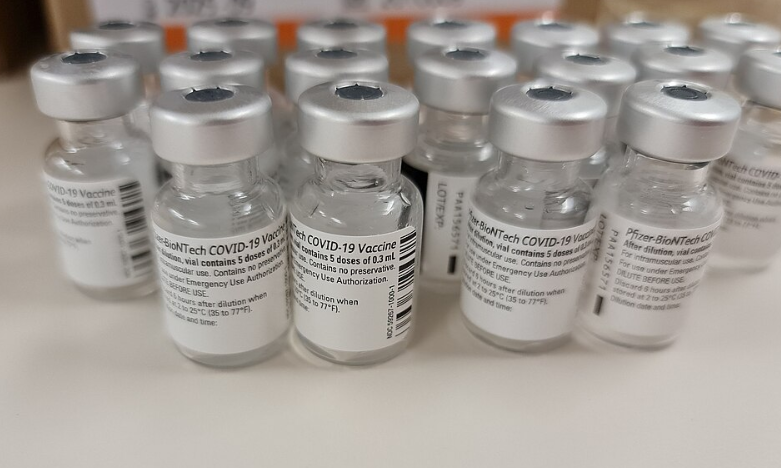
IMAGE: Source Own work Author DocWertheim CC4