
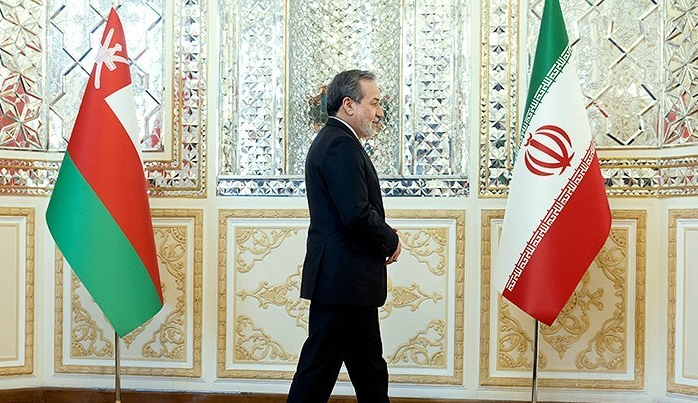
U.S. and Iranian negotiators are discussing a phased agreement that could reopen the Strait of Hormuz and ease Washington’s economic blockade of Iran. The waterway has become one of the most important bargaining points in the negotiations.
The Strait of Hormuz is one of the world’s most important energy routes. Disruptions there have raised shipping costs, complicated energy exports, and kept pressure on oil prices.
According to Reuters, negotiators are considering an arrangement in which Iran would reopen the strait while the United States begins lifting its economic blockade. Iran could also gain access to some frozen assets under a broader agreement.
The main problem is that both countries want the other side to act first.
Washington has used sanctions, a naval blockade, and military pressure to weaken Iran’s economy. Tehran has used its influence over shipping through Hormuz as leverage. Each side is reluctant to give up that leverage without receiving something important in return.
A senior Iranian official said that a phased agreement may be the most practical way to move forward. The first stage could involve reopening Hormuz and ending the blockade. Later stages could address larger political, military, and economic disputes.
The talks come during the United Nations General Assembly in New York. Qatar, Oman, and other regional governments have played roles in efforts to reduce tensions.
Al Jazeera reported that U.S. and Iranian representatives held hours of mediated talks around the UN meetings. U.S. special envoy Steve Witkoff said mediators moved between the American and Iranian delegations. Iranian Foreign Minister Abbas Araghchi was involved in the discussions.
President Donald Trump said American representatives had held a lengthy meeting with Iranian officials. Other reports described much of the communication as indirect and carried through mediators.
Iran has tied progress to several conditions. These include an end to the U.S. naval blockade and relief from economic restrictions. Tehran has also sought access to frozen assets and has demanded that Washington reduce military pressure.
The United States has focused heavily on reopening Hormuz.
American officials argue that international shipping should be able to move through the strait without Iranian restrictions. Gulf countries have also opposed any arrangement that would give Iran lasting control over passage through the waterway. They want freedom of navigation restored without making the strait a permanent bargaining tool.
Iran has signaled some flexibility on another disputed issue. Iranian officials indicated Tehran may be willing to separate its proposal for transit fees from the main agreement. Gulf governments have opposed paying Iran for passage through the strait.
That change could remove one obstacle, but major disagreements remain.
The economic effects of the conflict have spread well beyond Iran and the United States. The Associated Press reported that the closure and disruption of Hormuz initially removed about 15 million barrels of daily oil traffic from normal routes. Gulf producers have since found alternatives, but those methods are costly and complicated.
Saudi Arabia and the United Arab Emirates have used pipelines that bypass parts of the strait. Tankers have also used special routes and ship-to-ship transfers near Oman. These measures have restored some lost oil flows, but they have increased transportation and insurance costs.
Current estimates today suggest that roughly six million barrels of oil per day have recently been moving through a U.S.-supported route in the strait. Additional supplies are moving through pipelines. However, the total remains below the amount that moved through the area before the war.
Oil prices have remained around levels that are high by recent standards, although they have not reached some of the extreme levels feared when the conflict began. Markets have reacted sharply to signs of either escalation or diplomacy. Reports of possible negotiations have at times pushed prices lower.
President Masoud Pezeshkian has said Iran does not want the war to continue. In an interview aired Thursday, he said the United States must decide whether it wants the conflict to end. He also told the United Nations that Iran would not surrender to American pressure.
Trump has combined public support for negotiations with threats of additional military action. He said earlier this week that he believed an agreement was possible. He has also warned that military pressure could continue if negotiations fail.
The war began on February 28 when the United States and Israel attacked Iran. Iran responded with strikes against Israel and Gulf countries that host American military bases. The fighting has since expanded into a wider regional confrontation involving shipping, energy infrastructure, and allied armed groups.
The conflict has also placed Gulf governments in a difficult position. They depend on secure shipping routes and generally want the Strait of Hormuz fully reopened. At the same time, they have pushed Washington and Tehran to avoid another major expansion of the fighting.
Regional leaders have therefore supported negotiations while rejecting permanent Iranian control over shipping.
A phased agreement could allow both governments to claim that they did not surrender their strongest bargaining positions at once. Iran could begin restoring normal shipping while receiving measurable economic relief. The United States could ease restrictions gradually while watching whether Tehran follows through on its commitments.
That structure could also make it easier to reverse parts of the agreement if either side believes the other has failed to comply. However, an earlier understanding between Washington and Tehran collapsed during the summer. That history has made trust a major problem in the current talks.
The stakes are high because energy markets respond quickly to any change in shipping through Hormuz.
There is still no confirmed agreement to reopen the Strait of Hormuz.
For now, the talks in New York represent a renewed diplomatic effort after months of military and economic pressure. The outcome could affect much more than relations between Washington and Tehran. A durable reopening of Hormuz could change oil markets, shipping costs, Gulf security, and the direction of a conflict that has disrupted the region for most of the year.
IMAGE: Author Hossein Zohrevand Tasnim News Agency CC4