
The House of Representatives voted Tuesday to approve a temporary government-funding measure that halts a White House proposal to increase political influence over federal research grants. The vote was 370 in favor and 48 against, reflecting strong bipartisan support for the move.
This action gives lawmakers time to debate the issue before the midterm elections without risking a government shutdown, according to STAT News. The bill extends funding through December 11, which is just long enough to avoid a shutdown during the election period.
The temporary ban on the White House plan expires at the same time as the funding measure. The proposed policy would have allowed political appointees to take more control over how federal research money is distributed.
This move has raised concerns among scientists and researchers about the potential politicization of science funding. The legislation was seen as a way to preserve the independence of federal research agencies like the National Institutes of Health. Lawmakers said they wanted to avoid letting political considerations shape how science grants are awarded.
The vote was part of a larger effort by Congress to maintain scientific integrity in government funding decisions. Anil Oza, a reporter focused on the NIH and health equity, is a general assignment reporter at STAT. Oza’s reporting highlighted how the proposal could affect long-term research priorities and funding fairness.
The temporary nature of the stopgap means that the issue remains unresolved for now. Lawmakers will need to return to this question after the funding period ends. The debate over federal research funding shows how science policy intersects with political influence.
Groups that support scientific independence have praised the House’s decision to delay the plan. The White House has not yet responded publicly to the vote.
The issue is likely to resurface after the elections, when Congress returns to full session.
This vote reflects ongoing tensions between political leadership and scientific institutions over funding control.
The decision may be a signal that lawmakers are wary of allowing political influence to override scientific merit in grant decisions.
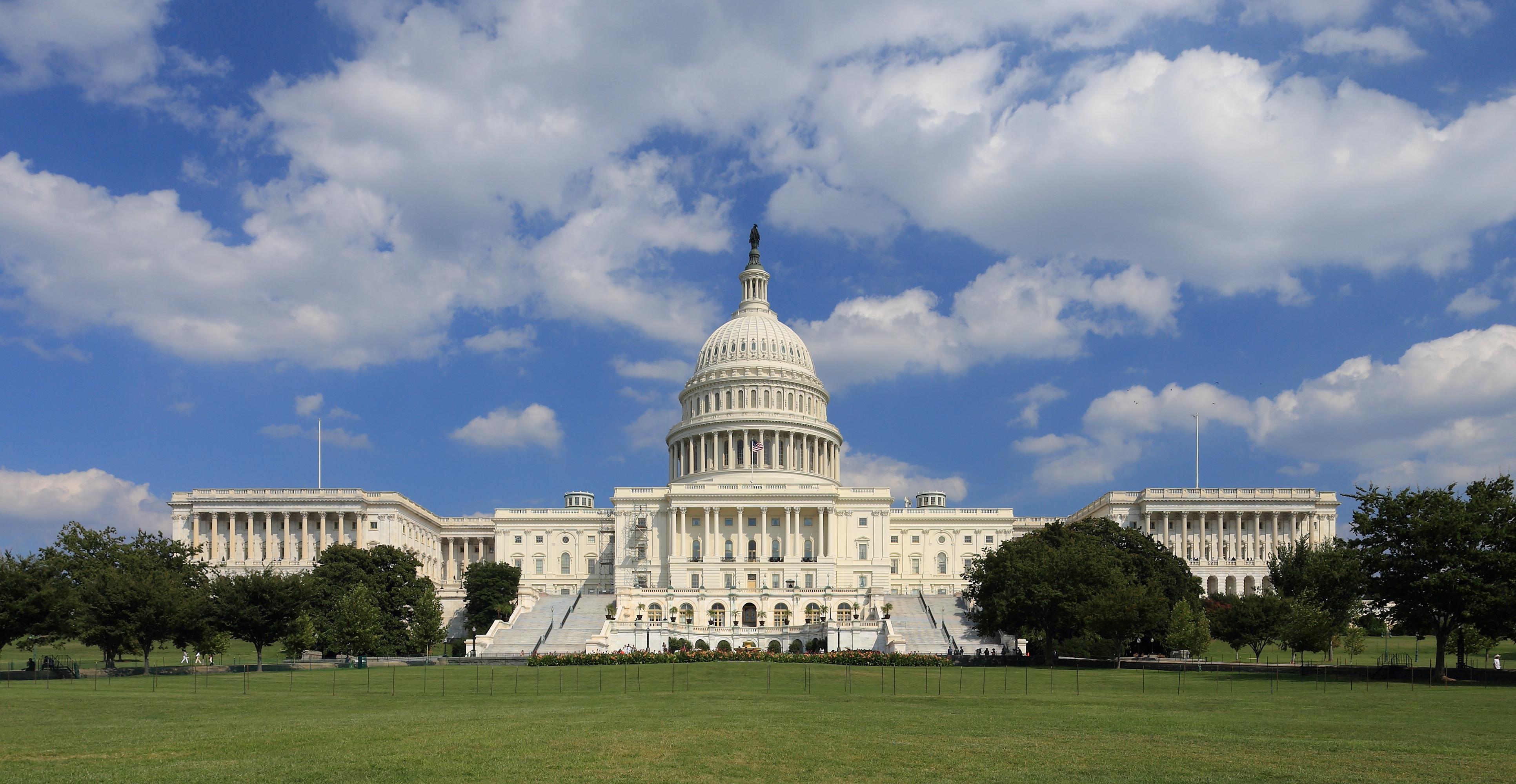
IMAGE: Martin Falbisoner (1978–) US Capitol, west side