
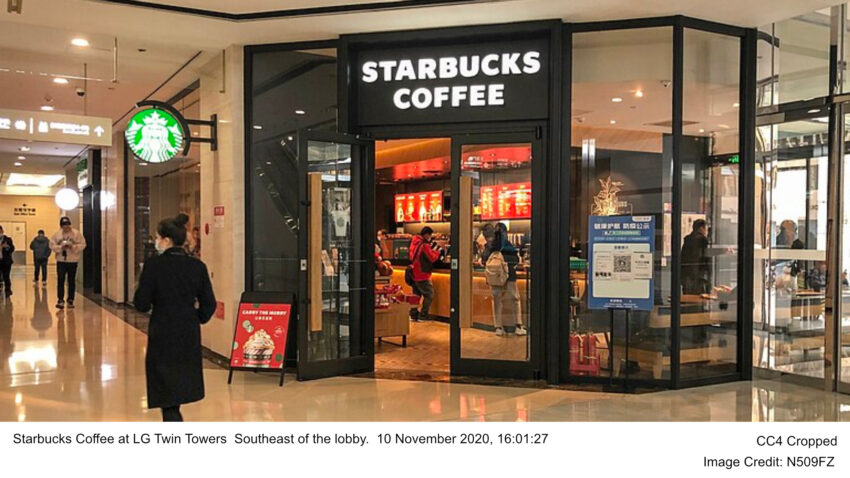
Starbucks Corporation and NIKE, Inc. are both experiencing significant losses in the Chinese market, as local competitors gain traction and American brands struggle to adapt. CNBC reported on August 21, 2026, that these U.S. companies are among many major brands seeing their China operations shrink over recent years. China was once considered the fastest-growing market for American businesses, but now it’s a different story. Bain & Company’s Aaron Cheris said that the issue isn’t just with China itself, but rather how these U.S. companies have approached the market. He noted that the question now is not why things are going wrong in China, but why they’re not working elsewhere either. This raises doubts about whether Starbucks and Nike can win back Chinese consumers or if their window of opportunity has already closed.
Starbucks entered China in 1999 and became its second-largest market by 2015, according to Yahoo Finance. However, the pandemic shifted consumer behavior toward more affordable local options. Rival Luckin Coffee now has more than three times as many stores in China and offers drinks at steep discounts. Former CEO Laxman Narasimhan admitted in early 2024 that the market is going through a transition driven by mass-market competitors. This shift has not been fully resolved for Starbucks even now.
CEO Brian Niccol created a joint venture with Boyu Capital to try and reverse the trend in China. Boyu Capital holds a roughly 60% stake and aims to use its local market knowledge to help Starbucks regain sales. Some American brands are still succeeding in China, such as Lululemon, which expects around 20% growth this year. Ralph Lauren saw a 40% increase in its most recent quarter, and Kentucky Fried Chicken continues to find success there. These examples show that the opportunity hasn’t disappeared entirely from China.
NIKE, Inc. is also seeing a decline in its China business. The company’s China revenue dropped by 30% since 2021, reaching an eight-year low this spring. GlobalData reported that China’s sportswear market has more than doubled in the past decade. Despite overall growth in the category, Nike’s share within it continues to shrink. ApertureChina founder Yaling Jiang said that Nike has become irrelevant in China while Adidas has gained ground. Nike’s outgoing CFO Matt Friend admitted on the company’s most recent earnings call that he couldn’t determine when China would return to growth. This uncertainty reflects deeper challenges in how Nike is approaching its Chinese strategy.
Both Starbucks and Nike are now trying to reshape their presence in China with new partnerships and strategies. But the success of these efforts remains uncertain as domestic rivals continue to gain strength. The changing preferences of Chinese consumers and increased competition from local brands are reshaping the landscape for global retailers. These shifts suggest that even well-established U.S. companies must adapt quickly to remain relevant in China.