
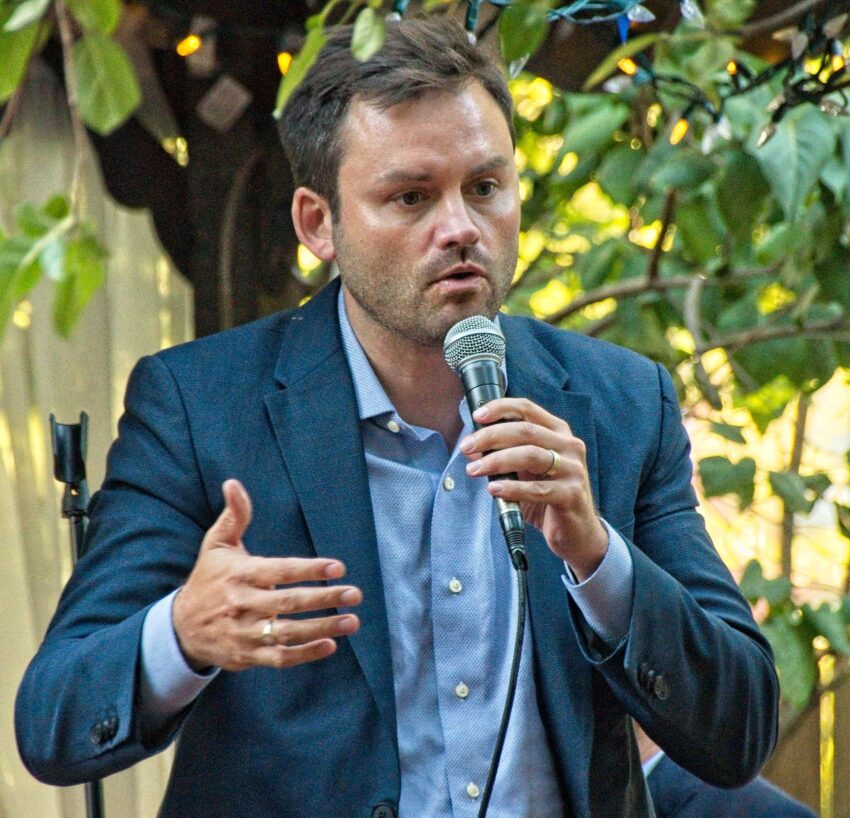
Paul St-Pierre Plamondon’s refusal to swear allegiance to the Crown raises questions about Quebec’s constitutional obligations and the authority of its provincial legislature.
Quebec Premier Paul St-Pierre Plamondon has reaffirmed his refusal to swear allegiance to King Charles III after a provincial court temporarily reinstated the constitutional oath requirement for elected lawmakers. On Thursday, November 26, 2026, the premier announced that Quebec’s parliamentary session would begin on December 1 as planned. His government is challenging the court ruling, creating uncertainty over whether lawmakers can legally assume their legislative duties without taking the oath.
The dispute follows a Quebec Superior Court ruling issued on November 23 that suspended a provincial law adopted in 2022. That legislation had removed the requirement for members of the National Assembly to swear allegiance to the monarch. The Quebec Court of Appeal is scheduled to hear the government’s challenge on November 27.
Court Reinstates Constitutional Oath Requirement
The legal dispute centers on Section 128 of Canada’s Constitution Act of 1867. That provision requires members of provincial legislatures and the federal Parliament to swear an oath of allegiance before assuming their legislative duties.
Quebec’s National Assembly unanimously adopted legislation in December 2022 establishing its existing oath to the people of Quebec as the only mandatory oath for provincial lawmakers. The legislation followed objections from members of the Parti Québécois who refused to pledge allegiance to the Crown.
Lawyer Lawrence David and the Consumer Law Group subsequently challenged the provincial legislation. They argued that Quebec could not independently remove an obligation established under Canada’s Constitution.
The Superior Court temporarily suspended the 2022 law while the constitutional challenge proceeds. The ruling restores the royal oath requirement for now, but it does not represent a final determination of the legislation’s constitutional validity.
Plamondon Maintains Opposition to the Monarchy
St-Pierre Plamondon, whose Parti Québécois won a minority government in the October 2026 provincial election, has maintained his longstanding opposition to the royal oath. The party advocates Quebec independence and has historically opposed the continued influence of the Canadian monarchy within the province’s political institutions.
The premier told reporters on Monday that he could not swear allegiance to the King. His government subsequently announced that it would appeal the temporary suspension of the provincial law.
According to The Canadian Press, St-Pierre Plamondon said on Thursday that his government intended to proceed with the opening of the National Assembly on December 1. He also encouraged leaders of the other provincial political parties to support a declaration opposing the mandatory royal oath.
The premier’s position reflects his belief that Quebec’s elected representatives should pledge their loyalty to the people they represent rather than to a hereditary monarch. However, the current legal dispute concerns whether the provincial legislature has the constitutional authority to make that change independently.
Opposition Parties Reject Defiance of Court Orders
Although the 2022 legislation received unanimous support, Quebec’s political parties disagree over how to respond to the latest court ruling. Leaders of the Quebec Liberal Party and the Conservative Party of Quebec have indicated that they would not disregard judicial orders to participate in legislative proceedings.
Their position creates an additional challenge for the minority Parti Québécois government. While lawmakers may agree that the oath requirement should be removed, they differ over whether elected representatives should proceed before the constitutional dispute is resolved.
Opposition leaders have also urged the premier to avoid delaying the parliamentary session. The National Assembly must address government business and legislative priorities following the October election, regardless of the continuing disagreement over the monarchy.
Government Seeks Relief From the Court of Appeal
Quebec Justice Minister Marie-Claude Sarrazin confirmed on November 24 that the provincial government was challenging the Superior Court decision. The government is seeking permission for lawmakers to assume their legislative duties while the broader legal case proceeds.
The Court of Appeal is scheduled to consider the matter on Friday afternoon. Its decision could determine whether the December 1 parliamentary opening can proceed without lawmakers taking the royal oath.
The immediate legal question concerns whether the temporary suspension of the 2022 legislation should remain in effect. A separate and potentially lengthy constitutional dispute remains over whether Quebec had the authority to eliminate the requirement in the first place.
St-Pierre Plamondon has indicated that the dispute could eventually reach the Supreme Court of Canada.
The Crown’s Role in Canadian Government
Canada is a constitutional monarchy in which King Charles III serves as head of state. Elected governments exercise political authority within the country’s constitutional framework, while representatives of the Crown perform various formal and constitutional responsibilities.
In Quebec, the lieutenant governor represents the Crown and performs duties that include granting royal assent to provincial legislation. The oath of allegiance is another constitutional feature inherited from Canada’s historical system of government.
Supporters of retaining the oath argue that elected representatives must respect existing constitutional requirements unless those requirements are changed through lawful procedures. Opponents consider the oath outdated and incompatible with their understanding of democratic representation, particularly in Quebec.
The current dispute concerns not only the desirability of maintaining the oath but also the constitutional procedures required to remove it.
Legislative Opening Remains Uncertain
The Quebec government’s immediate priority is resolving the legal obstacle ahead of the scheduled parliamentary opening. Although St-Pierre Plamondon insists that proceedings will begin on December 1, opposition parties have expressed reservations about participating without judicial authorization.
The Court of Appeal hearing on November 27 could provide greater clarity about the obligations of Quebec’s elected representatives. Whatever the immediate outcome, the broader constitutional challenge to the province’s 2022 legislation remains unresolved.
IMAGE: Photo de Paul St-Pierre Plamondon lors d’une réunion de militants du Parti québécois.. Photo: Alexis G. / Wikimedia, taken 2020-09-07, CC BY-SA 4.0