
The party’s largest House majority since 1992 follows a narrow victory in North Carolina, giving Democrats control of both chambers of Congress as President Donald Trump prepares for two years of divided government.
Democrats have secured at least 258 seats in the U.S. House of Representatives following the November 3, 2026, midterm elections, giving the party its largest House majority in more than three decades. The milestone was reached Sunday, November 22, after Democrat Chuck Hubbard defeated longtime Republican Rep. Virginia Foxx in North Carolina’s 5th Congressional District. The result gives Democrats control of both chambers of Congress beginning in January, creating a divided federal government during the final two years of President Donald Trump’s second term.
The victory represents the strongest House election performance for Democrats since 1992, when they also won 258 seats. The party has already gained 44 Republican-held districts, surpassing the 40 seats it flipped during Trump’s first midterm election in 2018. With four races still unresolved, Democrats could increase their majority before the new Congress convenes.
Republicans are expected to hold no more than 177 seats in the 435-member House. The shift gives Democrats considerable flexibility to pass legislation within the chamber, although Republican opposition in the White House will remain a major obstacle to their policy agenda.
North Carolina Victory Secures Historic Majority
The decisive milestone came in North Carolina, where Hubbard narrowly defeated Foxx following a recount. Foxx had represented the state’s 5th Congressional District since 2005 and was considered a difficult incumbent to defeat. The result became one of the most notable Republican losses of the election cycle.
With approximately 99% of the vote counted, Hubbard led Foxx by roughly 48.7% to 48.6%, according to election reporting. The close contest prompted a recount before Foxx conceded defeat on Sunday. Her concession ended weeks of uncertainty surrounding the district and confirmed another Democratic pickup.
Foxx congratulated Hubbard and expressed confidence in the peaceful transfer of power. Hubbard thanked the outgoing congresswoman for her years of public service and acknowledged their shared commitment to the people of North Carolina. The exchange marked the end of a closely contested election that helped establish the Democrats’ historic advantage.
The North Carolina result also reflects broader political changes in a state that has traditionally favored Republicans in many federal elections. Former Democratic Governor Roy Cooper won a U.S. Senate seat in the same election cycle, becoming the first Democrat elected to represent North Carolina in the Senate since 2008.
Democrats Record Their Strongest Showing Since 1992
The Democratic majority is the largest held by either party in the House during the 21st century. Democrats won 258 seats in 1992, when Bill Clinton was first elected president, and 257 seats in 2008, when Barack Obama won the White House. Their latest result matches the 1992 total and surpasses their performance during the 2018 midterm elections.
Although the result is historically significant, it does not represent the largest Democratic majority in American history. The party held more than 300 House seats during portions of Franklin D. Roosevelt’s presidency, when the political balance was substantially different. Republican majorities have also been larger during earlier periods, particularly in the 1920s.
The current shift is notable because it follows a period of narrow congressional control and difficult legislative negotiations. Outgoing Republican Speaker Mike Johnson frequently faced pressure from competing factions within his party, making it challenging to pass legislation without significant internal disagreements. Democrats will enter the next Congress with a much larger cushion for managing differences within their own caucus.
The party also won 56 seats in the 100-member Senate, establishing its strongest position there in more than a decade. Together, the victories provide Democrats with substantial power over congressional legislation, committee leadership and oversight of the executive branch.
Hakeem Jeffries Poised to Become First Black House Speaker
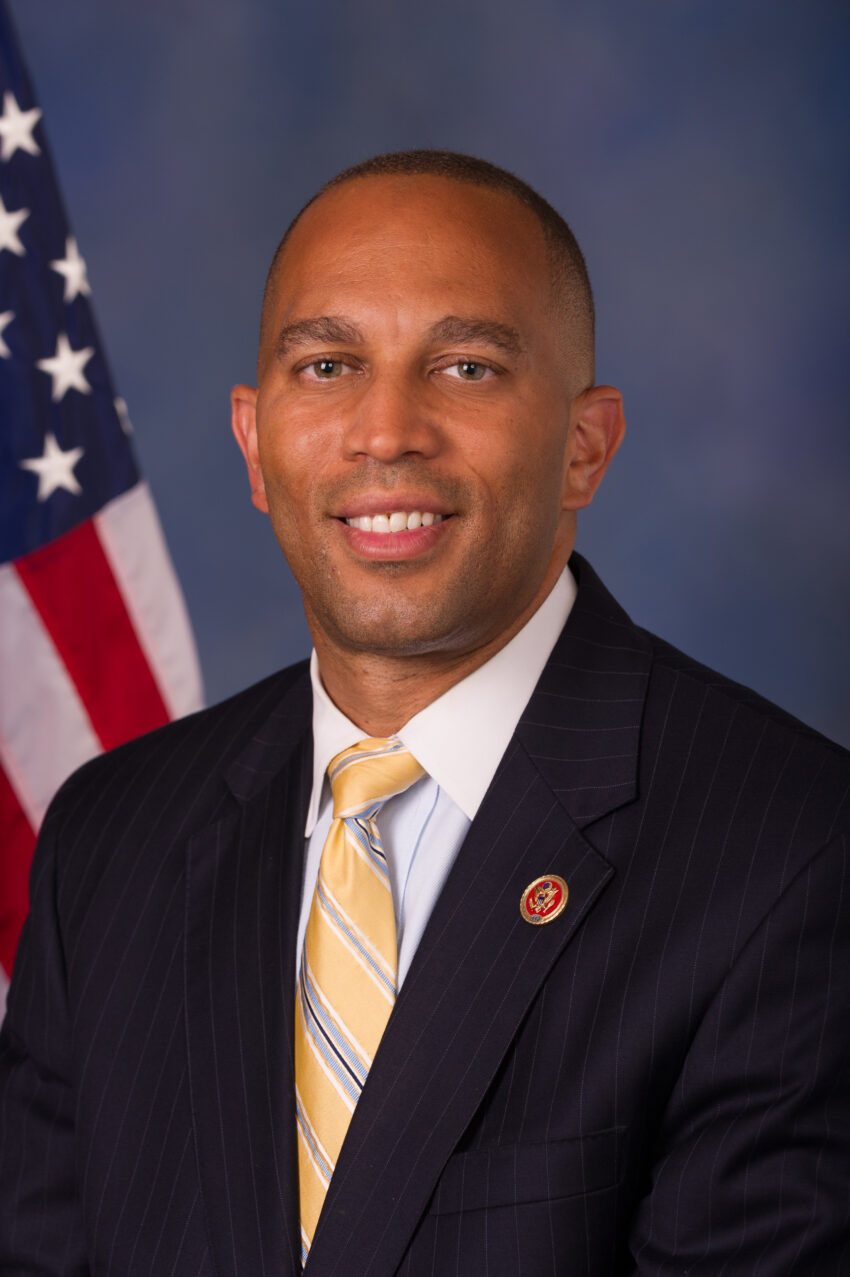
House Democratic Leader Hakeem Jeffries is expected to become the first Black speaker of the House when the 120th Congress convenes on January 3, 2027. Jeffries, who represents New York, became the first Black lawmaker to lead a party in Congress after being selected as the Democratic leader in 2022. His anticipated elevation would mark another historic milestone in congressional leadership.
The larger majority would allow Jeffries to lose the support of several dozen Democratic lawmakers on certain votes while still reaching the 218 votes normally required to pass legislation. That flexibility could prove important as progressive and moderate members debate competing priorities. However, maintaining unity will remain necessary for advancing major legislation and negotiating with the Republican administration.
Democrats have already begun discussing their legislative priorities for the new Congress, particularly healthcare costs, household finances and government oversight. Jeffries will need to balance demands for ambitious policy changes with the concerns of lawmakers representing politically competitive districts.
Republicans, meanwhile, have selected Ohio Rep. Jim Jordan to lead their House minority. Jordan has pledged to oppose Democratic proposals where Republicans disagree and work toward rebuilding the party’s congressional strength ahead of the 2028 elections.
Economic Concerns Help Drive Democratic Gains
Economic dissatisfaction played an important role in the election, according to voter surveys and reporting from several major news organizations. Many Americans expressed frustration with rising living costs, household expenses and the direction of the economy under Trump. These concerns contributed to Democratic gains in both traditionally competitive districts and areas Republicans had previously considered secure.
The war involving Iran also became an important campaign issue. The conflict, which began earlier in 2026, contributed to higher gasoline prices and broader economic uncertainty. Democrats criticized the administration’s handling of the war and argued that its policies had increased financial pressure on American households.
However, voters were not motivated by a single issue. Healthcare affordability, immigration enforcement, concerns about government accountability and dissatisfaction with political leadership also influenced the campaign. The importance of each issue varied across states, districts and demographic groups.
Democrats interpreted the election results as public support for changes in federal policy, while Republicans acknowledged the setback and began assessing their strategy. The extent to which particular issues determined individual races remains difficult to establish from election results alone.
Healthcare and Affordability Lead Democratic Agenda
Democratic lawmakers are preparing an ambitious legislative agenda focused on reducing costs and reversing several policies enacted under Republican control. Healthcare is expected to receive particular attention, including proposals to restore Affordable Care Act premium tax credits that expired under Republican leadership. Democrats also want to reconsider Medicaid reductions that they argue have placed additional pressure on vulnerable Americans.
House Democrats are discussing proposals aimed at grocery prices, household expenses and federal trade policy. Some members have called for changes to Trump’s tariff policies, arguing that import costs have contributed to higher consumer prices. Republicans have defended tariffs as tools for strengthening domestic industries and protecting American economic interests.
The party’s internal discussions reflect differences between progressive and centrist lawmakers. Rep. Alexandria Ocasio-Cortez has emphasized the significance of the electoral victory and the opportunity to pursue substantial changes. Rep. Tom Suozzi has urged Democrats to concentrate on practical affordability measures that address voters’ immediate financial concerns.
Rep. Jason Crow has also argued that the party must respond to the economic and healthcare challenges facing Americans. The large majority gives Democrats considerable legislative opportunities, but it also increases expectations that they will produce measurable results.
Congressional Investigations Could Challenge Trump
Democratic control of both chambers will also significantly change congressional oversight of the Trump administration. Committee chairs will gain the authority to schedule hearings, request documents and issue subpoenas as they investigate federal agencies and executive branch decisions. These powers could lead to extensive scrutiny of the administration’s policies and conduct.
Among the issues under discussion are the Trump family’s business interests, immigration enforcement, federal law enforcement decisions and the administration’s handling of the Iran conflict. Democrats have also expressed interest in examining presidential pardons and government records connected to Jeffrey Epstein. The existence of a proposed investigation does not establish wrongdoing, and any allegations would require supporting evidence.
Jeffries has not ruled out the possibility of pursuing another impeachment effort against Trump. However, impeachment would require a separate political and legislative process, and removing a president from office would require a two-thirds vote in the Senate. Democrats’ 56-seat Senate majority would not be sufficient to convict and remove a president without additional Republican support.
The White House has criticized the possibility of aggressive congressional investigations, while Republicans have warned against using oversight powers for partisan purposes. Democrats argue that stronger oversight is necessary to hold the executive branch accountable and protect Congress’s constitutional responsibilities.
Divided Government Will Limit Legislative Options
Despite controlling the House and Senate, Democrats will still face substantial obstacles when attempting to enact new laws. Trump will retain presidential veto authority, meaning Congress would need two-thirds support in both chambers to override a veto. Senate rules may also require 60 votes to advance many major legislative proposals, creating another challenge for Democrats.
These limitations could force negotiations between congressional leaders and the White House on spending, government operations and other major policy matters. At the same time, disagreements could produce legislative stalemates, particularly on subjects where the parties hold sharply different positions.
Four House contests remained unresolved as of November 22, including races in Minnesota and Tennessee and two Louisiana contests headed toward runoffs. Those outcomes could increase the Democratic majority further, although the party has already secured enough seats to control the chamber comfortably.
The new Congress is scheduled to convene January 3, 2027. Democrats will then begin organizing their committees, selecting House leadership and preparing their first legislative priorities while the Republican administration enters the final two years of Trump’s presidency.
IMAGE: United States Congressman Hakeem Jeffries. Photo: United States Congress / Wikimedia, taken 2013-07-23, Public domain