
The Michigan congresswoman breaks with her party two days before the November 3 election, backing Republican Mike Rogers over Democratic nominee Abdul El-Sayed amid a bitter dispute over Israel and campaign rhetoric.
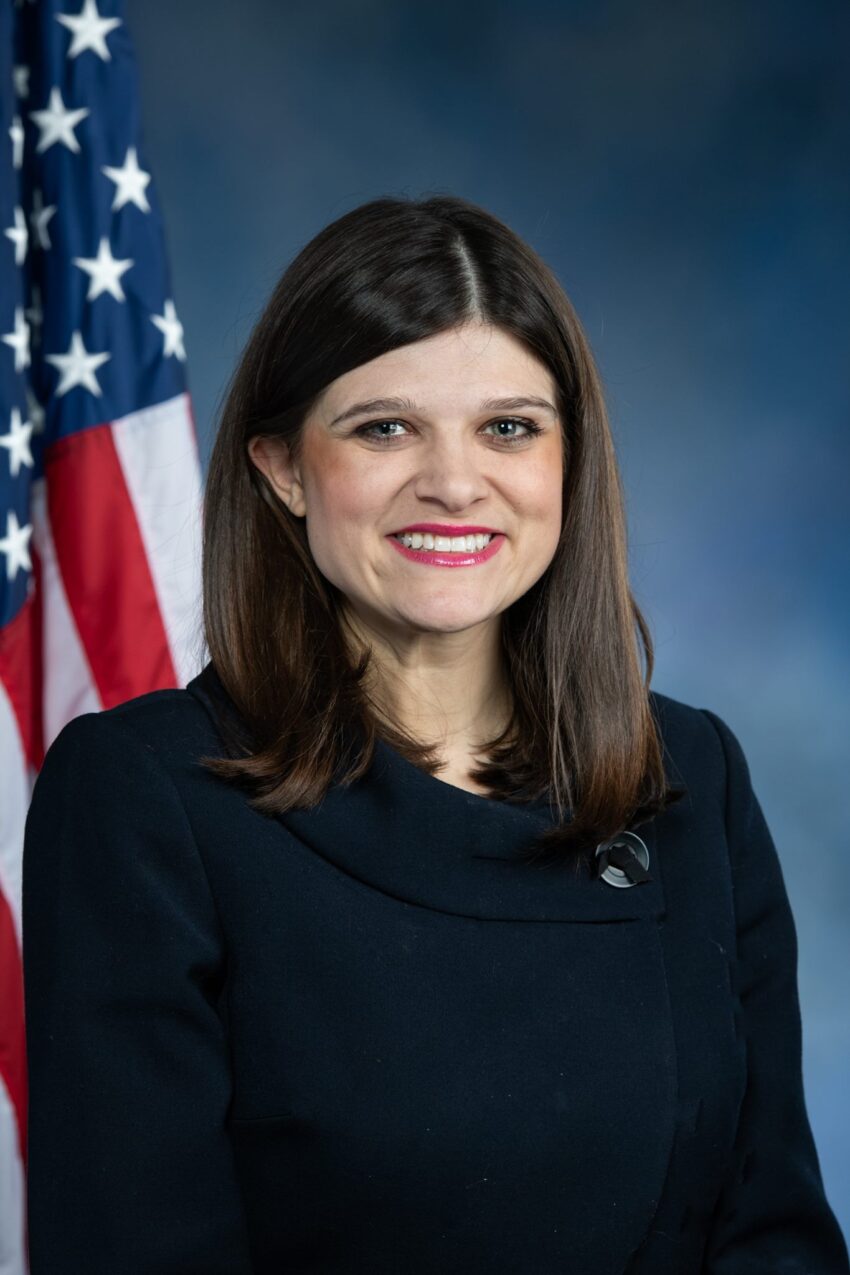
Democratic Rep. Haley Stevens endorsed Republican Mike Rogers in Michigan’s closely watched U.S. Senate race on Sunday, November 1, 2026, abandoning her support for Democratic nominee Abdul El-Sayed just two days before Election Day. The unexpected announcement followed months of disagreements between the former primary rivals and immediately drew criticism from Democratic leaders.
Stevens, who narrowly lost the August Democratic primary to El-Sayed, announced her decision in a video posted on social media. She also appeared alongside Rogers at a church service in Detroit, turning what Democrats had hoped would be a final weekend of party unity into a public dispute.
The endorsement comes as Republicans and Democrats compete for the Senate seat being vacated by retiring Democratic Sen. Gary Peters. Michigan is one of the closely contested states where the outcome could affect which party controls the Senate.
Stevens Announces Support for Republican Rival
Stevens explained her decision by saying she no longer believed she belonged in El-Sayed’s campaign. She said the Democratic nominee had made it clear that he did not want her participating in his final campaign events.
The congresswoman also criticized political streamer Hasan Piker, who appeared with El-Sayed during the Democratic primary. Stevens has repeatedly questioned El-Sayed’s willingness to distance himself from rhetoric she considers offensive, particularly regarding Israel and Jewish Americans.
Despite endorsing Rogers, Stevens insisted that she had not abandoned her Democratic identity. Speaking with reporters after the church appearance, she described the decision as a single voting choice rather than a broader change in political allegiance.
Rogers welcomed the announcement and said he was honored to receive her support. The former Republican congressman appeared with Stevens and her fiancé, Jason Turkish, at Perfecting Church in Detroit.
The appearance was particularly notable because Stevens had recently reaffirmed that she would support El-Sayed in the general election. Her change of position came after another round of public disagreements that intensified during the final week of campaigning.
Disagreements Over Israel Intensify
The conflict between Stevens and El-Sayed has its roots in Michigan’s Democratic Senate primary. Although both candidates campaigned as Democrats, they differed sharply over American policy toward Israel and the war in Gaza.
Stevens has been a strong supporter of Israel and received substantial backing from organizations associated with the American Israel Public Affairs Committee. El-Sayed criticized American military support for Israel and made opposition to certain foreign policy decisions a prominent part of his campaign.
The primary became increasingly contentious as independent political groups spent millions of dollars supporting different candidates. El-Sayed ultimately defeated Stevens by less than one percentage point in August.
Following that defeat, Stevens publicly promised to support the Democratic nominee. The two appeared at a unity breakfast shortly afterward, but their political relationship remained strained.
Those tensions increased when an independent political group called Rebellion PAC released an advertisement connecting American support for Israel with rising grocery prices. The advertisement was associated with progressive commentator Cenk Uygur.
Stevens criticized the message and demanded that El-Sayed publicly reject it. She argued that the advertisement unfairly blamed Israel for economic problems facing Michigan families.
El-Sayed responded that his campaign had not produced the advertisement and was not affiliated with the organization responsible. He also stated that he disagreed with its contents.
The dispute was further complicated by Stevens’ criticism of Hasan Piker. El-Sayed had previously appeared with the streamer during the primary, although he later distanced himself from controversial remarks about Jewish Americans and Israel.
For Stevens, the disagreements raised concerns about the direction of El-Sayed’s campaign. El-Sayed maintained that his central priorities were economic affordability, healthcare and opposing policies supported by President Donald Trump.
Planned Democratic Unity Event Falls Apart
The latest disagreement disrupted a planned Sunday church appearance that was supposed to bring Stevens and El-Sayed together. Democratic organizers hoped the event would demonstrate unity among party leaders before the November 3 election.
Rep. James Clyburn of South Carolina was scheduled to participate, along with other prominent Democratic officials. The event was intended to encourage voter participation, particularly among residents of Detroit.
However, Stevens issued another statement criticizing El-Sayed’s response to the Rebellion PAC advertisement. She again demanded a stronger rejection of the group’s message.
Rep. Debbie Dingell of Michigan, who helped coordinate the event, later said she had asked Stevens not to attend because the disagreement had become too distracting. Dingell said the final weekend should focus on voters rather than renewed arguments between former primary opponents.
Stevens instead attended the service at Perfecting Church with Rogers. Meanwhile, El-Sayed appeared at another Detroit church alongside Clyburn and other Democratic officials.
The separate appearances illustrated how far the relationship between the two Democrats had deteriorated. What was supposed to be a public demonstration of cooperation instead became a significant dispute days before voting ended.
El-Sayed Dismisses the Endorsement
El-Sayed responded to the endorsement by saying he was concentrating on the millions of Michigan residents whose everyday concerns would determine the election. He rejected suggestions that the disagreement with Stevens should dominate the final days of the campaign.
Speaking with reporters in Detroit, El-Sayed said he did not spend time thinking about Stevens. He argued that voters were more concerned about household expenses, healthcare and the cost of living.
His campaign has emphasized economic issues throughout the general election. El-Sayed has also sought to increase turnout among Democratic voters who may have supported another candidate during the primary.
The former Wayne County health director faces Rogers, a former congressman who has emphasized public safety, national security and his opposition to Democratic economic policies. Rogers has received President Trump’s endorsement.
The candidates represent different approaches to healthcare, immigration and foreign policy. Their campaigns have also focused on winning over independent voters and securing strong participation from their respective political bases.
Stevens’ endorsement introduces an additional complication because she previously received considerable support from voters in Oakland and Wayne counties. Those areas include communities that Democrats view as important to their statewide electoral coalition.
However, the practical effect of her endorsement is uncertain. There is no verified evidence that a substantial number of her former supporters will follow her decision to vote for Rogers.
Democratic Leaders Condemn Stevens
The endorsement prompted immediate criticism from Democratic officials in Michigan and Washington. Michigan Democratic Party Chair Curtis Hertel accused Stevens of abandoning the policies and values she previously supported.
Hertel also said Stevens was no longer considered a member of the Michigan Democratic Party and would not be in the future. His comments reflected the anger among party officials who had spent months attempting to unite Democrats after the divisive primary.
Senate Democratic Leader Chuck Schumer, who supported Stevens during the primary, also condemned her decision. He characterized the endorsement as a betrayal and reaffirmed his support for El-Sayed.
Dingell criticized the controversy surrounding Stevens and urged Democrats to concentrate on electing their party’s candidates. Other Michigan officials similarly emphasized the importance of economic issues and voter turnout.
The disagreement also affected Stevens’ congressional staff. Her longtime chief of staff resigned following the announcement, and additional departures were expected, according to reporting by The Associated Press.
The resignations showed that the dispute extended beyond campaign politics into Stevens’ congressional operation. However, the full extent of the staffing changes had not been confirmed as of Sunday evening.
Trump and Republicans Welcome the Endorsement
Republican leaders responded favorably to Stevens’ decision. President Trump praised her in a social media statement and portrayed the endorsement as an example of political independence.
House Speaker Mike Johnson also welcomed the announcement. He said he had spoken with Stevens and encouraged her following the public backlash.
The Rogers campaign has presented the endorsement as evidence that dissatisfaction with El-Sayed extends beyond Republican voters. Party officials argued that Stevens’ firsthand experience competing against El-Sayed gave her decision particular significance.
Democrats rejected that interpretation and maintained that the election should be decided on the candidates’ policies rather than Stevens’ personal disagreement with her former opponent.
The competing reactions illustrate why the announcement attracted national attention. Cross-party endorsements are particularly unusual when they occur immediately before a competitive election involving a major Senate seat.
Michigan Senate Race Approaches Election Day
The November 3 election will determine who replaces Gary Peters in the Senate. The outcome is important to both parties as they seek control of Congress during the final two years of Trump’s current presidential term.
Michigan has been a competitive political state in recent elections. Democrats have relied heavily on turnout in Detroit and its surrounding communities, while Republicans have sought support across suburban, rural and working-class areas.
The disagreement between Stevens and El-Sayed has raised questions about whether Democratic voters can unite following a bitter primary. Republican leaders are attempting to use the controversy to persuade voters who remain dissatisfied with the Democratic nominee.
Early voting has already been underway since October 24. According to election figures reported by the Associated Press, more than 1.8 million Michigan residents had voted by Friday, October 30.
That means many voters had already cast their ballots before Stevens announced her endorsement. The remaining campaign period gives both candidates limited time to respond to the controversy or persuade undecided voters.
For El-Sayed, the immediate challenge is maintaining Democratic support while appealing to independents. Rogers is seeking to build on the endorsement and attract voters who might otherwise have supported the Democratic nominee.
The election takes place Tuesday, November 3. Michigan voters will decide whether to keep the Senate seat in Democratic hands or elect Rogers, with the effects of Stevens’ unexpected endorsement becoming clearer only after the votes are counted.
IMAGE: The official headshot of Rep. Haley Stevens (D-MI). Photo: Phi Nguyen / Wikimedia, taken 2018-11-28, Public domain