
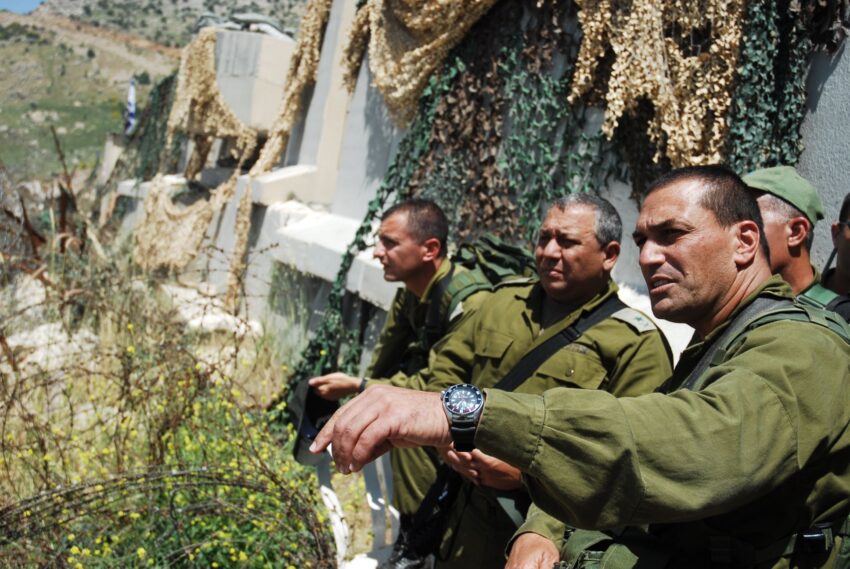
Israel’s military leadership has raised alarms about the country’s financial capacity to sustain ongoing operations, as the nation prepares for possible escalation in conflicts with Iran and other regional threats. Lieutenant-General Eyal Zamir, Israel’s armed forces chief, highlighted that the army is operating with limited resources and faces a difficult budget situation. The military has warned that it may have to reduce intelligence gathering due to funding constraints, which relies heavily on expensive technology. At the same time, Israel is preparing for increased hostilities with Iran and groups like the Houthis in Yemen and pro-Iranian Shia militias in Iraq. Finance Ministry officials have stated they will ensure that the army receives sufficient funding, despite internal pressures.
The situation is further complicated by Israel’s fragmented political landscape, which makes it difficult to reach consensus on spending priorities, according to Al Jazeera. Avigdor Liberman, a key figure in Israeli politics, finds himself in a difficult position as he balances support from nationalist factions with the need for fiscal responsibility. These nationalist groups demand more military spending and continued occupation of the West Bank, which puts pressure on the government’s budget.
The Israeli army has placed an additional division on standby ahead of anticipated settler violence during upcoming Jewish holidays. Despite warnings from military officials about financial strain, few ministers are willing to reduce spending on defense operations.
In addition to domestic concerns, Israel is also dealing with regional instability, including recent strikes by U.S. forces against Iranian targets in the Strait of Hormuz, according to a report from the BBC. These U.S. military actions follow a period when Iran had resumed attacks on oil infrastructure and shipping lanes in the region. Iranian state media reported that a strike near Sirik killed four people, including a four-year-old child, and injured many others at a wedding party. Iran’s president, Masoud Pezeshkian, said in a statement that if the U.S. returns to compliance with the nuclear agreement, Iran would reciprocate.
Meanwhile, Israeli officials have expressed concern about the growing financial burden of maintaining military readiness in a volatile region. Military leaders said that funding for operations requires significant resources including soldiers, weapons, and benefits for injured personnel.
The financial strain is not just a concern for the military but also affects other aspects of national security planning.
In a separate development, a shooting in Tucson, Arizona, has been classified as a hate crime by local police, The Guardian reported. The incident occurred in the parking lot of Venture-N shortly after midnight on Monday, according to Tucson police. Three people were confronted and fatally shot by an unidentified suspect. Police have confirmed that there is no current threat to the community. The incident has been described as a hate crime by the Tucson police department. Police chief Monica Prieto said that such events remind people of the ongoing issue of homophobia in the country. She added that this tragedy underscores how important it is to create better policies to prevent violence and protect communities.
The shooting occurred in a city known for its diversity and inclusion efforts. A friend of one of the victims described him as thoughtful and considerate.
The case has sparked renewed calls for stronger protections against hate-based violence in the U.S.
IMAGE: Maj. Gen. Gadi Eisenkot of North. Cmd. and Brig. Gen Eyal Zamir of Division 36 this morning at Hila Lookou. Photo: Israel Defense Forces / Wikimedia, taken 2011-06-05, CC BY 2.0