
The ongoinT situation between the United States and Iran has grown more intense in recent days. Both nations have continued to exchange attacks following an Iranian strike that resulted in the deaths of two American service members in Jordan. The incident has further destabilized a fragile peace that had been in place. The conflict has now entered its 21st week, with no clear end in sight.
The US military confirmed that a third service member died during a controlled explosion of an unexploded Iranian drone in northern Iraq. Additional remains from Friday’s Jordan strike are still being identified. These developments have added to the growing number of American casualties since the conflict began on February 28. The death toll now stands at 17.
President Trump addressed the fallen soldiers during a brief appearance after the World Cup finale. He said the men died in service to prevent Iran from acquiring nuclear weapons. He also claimed that Iran had suffered major military losses and that the US had responded forcefully. However, he has not made any public statements about what further action might be taken.
The president chose to stay out of the spotlight over the weekend. He spent time at his golf club in New Jersey and attended the World Cup final in person. He did not mention Iran during a pregame interview or make any public comments on the conflict. His administration, meanwhile, has continued to signal that it will maintain current operations in the region.
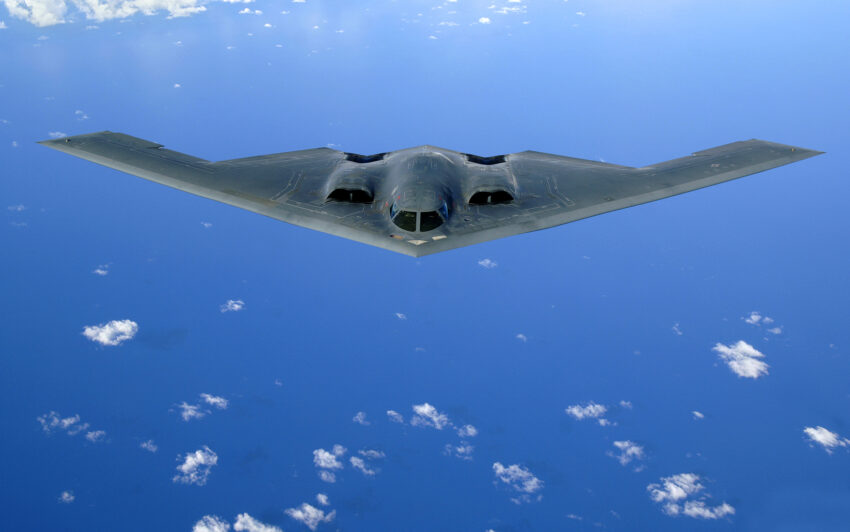
Despite the lack of clear direction from the White House, US Central Command reported ongoing strikes against Iranian targets. Defense Secretary Pete Hegseth stated that these losses would only strengthen American resolve. The administration also posted a video showing a B-2 bomber flying over the region, accompanied by a classical song. This has led to speculation about a possible escalation in military activity.
Energy Secretary Chris Wright attempted to calm public fears on Sunday. He emphasized that the mission was still vital for protecting global commerce and preventing Iran from obtaining nuclear weapons. He also said the president is open to diplomatic solutions but noted that both sides must be willing to negotiate. The Strait of Hormuz remains a key area of concern, with shipping levels at about two-thirds of pre-conflict levels.
Analysts have expressed worry over the direction of the conflict. Some say it has entered a dangerous phase. They point out that trust between the US and Iran is nearly gone, making de-escalation difficult. The situation risks spiraling further, especially with no clear plan from the president on how to proceed.
Michael O’Hanlon from the Brookings Institution warned that Trump may be repeating past mistakes seen in Vietnam and other foreign interventions. He believes Iran is betting on Trump’s desire for a deal to help his election chances. This could lead to a prolonged conflict, with no immediate resolution in sight.
Representative Michael McCaul, a Republican from Texas, said the military campaign would resume as planned. He emphasized the need to destroy Iranian drone launch sites and reduce their control over shipping lanes. The goal remains to degrade Iran’s ability to threaten regional stability.
The longer the conflict continues, the more it strains US military resources. Ships and crews are stretched thin, and supply lines become harder to maintain. The situation has drawn comparisons to past interventions that were criticized by Trump and Vice President JD Vance.
There is growing concern about what options remain for the president. Some experts say there are no truly good choices available. Each decision seems to lead to more conflict or further strain on American forces. The situation may require more pressure from the US before either side is willing to back down.
As the war continues, the risk of a larger regional conflict grows. The US has not ruled out stronger actions, including possible operations in key Iranian territories. For now, both sides remain locked in a cycle of retaliation that shows no signs of stopping.
IMAGE: A Northrop Grumman B-2 Spirit soars after a refueling mission over the Pacific Ocean on Tuesday, May 30, 2006. The B-2, from the 509th Bomb Wing at Whiteman Air Force Base, Mo., is part of a continuous bomber presence in the Asia-Pacific region.. Photo: U.S. Air Force photo/Staff Sgt. Bennie J. Davis III / Wikimedia, taken 2007-02-20, Public domain
This article passed automated originality and source-verification checks before publishing.