
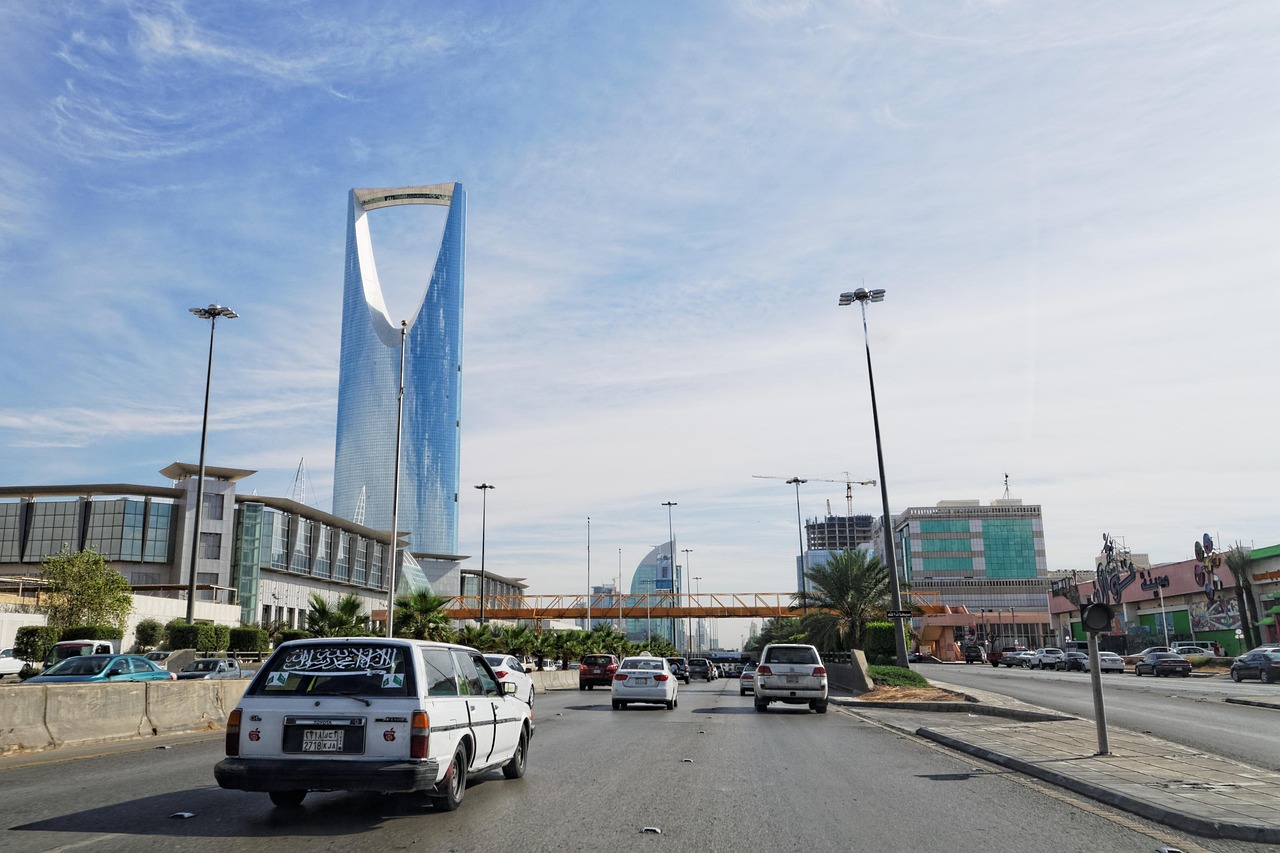
Saudi Arabia confirmed on Saturday that Yemen’s Houthi rebels attempted to strike its capital Riyadh with a ballistic missile. This attack marks the first time since the recent escalation in fighting with the Iran-backed Houthis that they targeted Riyadh directly. The Saudi-led coalition said it intercepted the missile before any damage or casualties occurred.
Residents in the capital reported hearing an explosion and later saw a plume of smoke near the airport, according to The Hill. No injuries or damage were reported following the incident. The coalition also said that Houthi forces tried to target civilian infrastructure in other cities including Yanbu, Taif, Baysh, and Farasan.
These attempts were also reportedly intercepted, with no details given about what happened next. Saudi oil company Aramco did not respond to a request for comment on the event. Houthi military spokesperson Brig. Gen. Yahya Saree claimed the rebels used cruise missiles, ballistic missiles, and drones in their strikes.
He also said that Saudi Arabia had attempted to target the rebel-held city of Sanaa in Yemen, though no further information was provided. The Associated Press could not independently verify these claims. Earlier in the week, Saudi Arabia reported a similar attempt on Mecca with an intercepted drone, according to a report from The Hindu. The Houthis denied that they had attempted to attack Mecca.
Saudi Arabia described the security of Mecca as a red line because of the city’s importance to Islam. The United States, a close ally of Saudi Arabia, has indicated it does not currently have a fight with the Houthis in Yemen. The conflict in Yemen has now returned to a full-scale civil war after a period of relative calm.
Meanwhile, Iran’s Supreme National Security Council secretary Mohsen Rezaei said Tehran is awaiting a response from President Donald Trump on its conditions for ending the war. Iran conveyed its conditions through Qatar, a key mediator in regional disputes. Rezaei said Iran is seeking an end to fighting on all fronts, the release of frozen Iranian assets and an end to what Tehran calls the U.S. naval blockade of Iranian ports.
The fighting has also affected Gaza and Lebanon. Israeli strikes killed three people in Gaza while Israel said it struck Hezbollah positions across southern Lebanon.
In Lebanon, Israel targeted Hezbollah positions across southern areas. In Gaza, Israeli airstrikes killed three people, including a man identified as the son of the health ministry’s director general. The heaviest fighting between Israel and Hamas has subsided since a ceasefire last October.
However, Israeli fire has caused more than 13,780 Palestinian deaths in Gaza since the ceasefire last October, according to the health ministry. Iran also executed a man accused of spying for Israel’s Mossad intelligence agency. Hossein Pedram was said to have shared classified information on military sites in Isfahan province.
International rights groups have criticized Iran’s recent surge of executions. Iran continues to attack ships in the Strait of Hormuz, asserting control over a vital waterway for global oil and gas trade. Despite ongoing hostilities, shipping traffic remains well below prewar levels.
Fighting inside Yemen has also intensified. The Associated Press reported that Houthi forces recently seized the port city of Mokha and islands near the Bab el-Mandeb Strait. The advances have increased concerns about security along another major shipping route.
In other developments, Saudi Arabia’s King Salman ordered the renaming of the Saudi Electronic University in Riyadh after Prince Musaid bin Abdulrahman, english.aawsat.com reported. The university was established in 2011 and now bears the name of a prominent statesman who served in multiple government roles. Prince Musaid was born in 1918 at Al-Hukm Palace in Riyadh and contributed significantly to education and public service.
He established the first public library in Riyadh in 1944 and held senior posts including interior minister and finance minister. His legacy was previously honored by the General Auditing Bureau naming its main hall after him in 2017. The Crown Prince Mohammed bin Salman referenced Prince Musaid’s forward-thinking ideas, including a real estate development proposal from decades ago.
He said that had the idea been implemented earlier, Saudi Arabia might have built some of the world’s largest real estate companies. The university’s president Dr. Mohammed bin Yahya Mardi emphasized that the renaming honors Prince Musaid’s commitment to knowledge and education. He added that this aligns with the university’s mission under Saudi Vision 2030.
The renaming reflects ongoing efforts to recognize national figures who shaped education and public service in Saudi Arabia.
IMAGE: Riyadh SLPix / Pixabay