
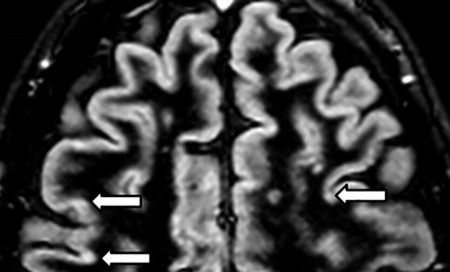
An experimental drug called kamuvudine-9 has reversed paralysis and vision loss in a mouse model of multiple sclerosis, according to new research published in Science Translational Medicine. The drug, also called K-9, was developed by researchers at the University of Virginia. Scientists say the results are promising, but the treatment has not yet been shown to work against multiple sclerosis in people.
Multiple sclerosis, often called MS, is a disease in which the immune system attacks the protective covering around nerves. That covering is called myelin. Damage to myelin can interfere with signals between the brain, spinal cord and the rest of the body.
Symptoms can include weakness, numbness, vision problems, trouble walking and severe fatigue. Some people have periods when symptoms improve and then return. Others experience a steady worsening of disability.
The new study focused on an inflammatory system inside the body called the inflammasome. This system is part of the body’s natural immune defense. When it becomes overactive, however, it can contribute to inflammation and damage to nerve tissue.
According to the National Institutes of Health, K-9 blocked two pathways involved in activating the inflammasome. Researchers believe that effect helped protect nerve fibers and myelin in the animals. It also appeared to allow recovery after neurological problems had already developed.
That result is important because most current MS treatments are designed to reduce new inflammatory attacks and slow additional damage.
They generally do not restore neurological abilities that have already been lost.
In the mouse model, researchers gave K-9 after problems such as paralysis and vision loss had already appeared. The animals showed improvement in movement and vision after treatment. Researchers also found signs that the drug was protecting axons, which are the long fibers nerve cells use to carry electrical signals.
The scientists measured neurofilament light chain, a protein released when nerve cells are damaged. Levels of this protein can be used as a marker of nerve injury. K-9 prevented the increase that researchers expected to see as the MS-like disease progressed.
University of Virginia Health reported that the drug did more than prevent symptoms from becoming worse in the animal model. The researchers saw recovery from some existing neurological damage. Jayakrishna Ambati, who developed K-9, said this feature separates the experimental treatment from many current approaches to MS.
K-9 has an unusual history. It is derived from a class of antiviral medicines known as nucleoside reverse transcriptase inhibitors, or NRTIs. Drugs in this class have been used for years to treat infections including HIV and hepatitis B.
Researchers previously discovered that NRTIs can also reduce inflammasome activity. K-9 was designed to keep that anti-inflammatory effect without relying on the antiviral action of the older drugs.
The researchers also looked for clues about whether this approach might have relevance in people.
They analyzed insurance claims from more than 3 million patients in the United States. The data included people taking NRTI antiviral drugs for HIV or hepatitis B. People receiving those medicines were less likely to be diagnosed with MS in the analysis.
Among patients who already had MS, those taking the antiviral medicines also had fewer later relapses.
Those findings are interesting, but they do not prove that NRTIs prevent MS or prevent relapses. Insurance records can show associations between treatment and health outcomes. They cannot establish cause and effect in the same way as a randomized clinical trial.
The NRTIs used by patients in the insurance analysis are also not the same drug as K-9.
Researchers said the human data support the biological idea behind the treatment. Both older NRTIs and K-9 can interfere with inflammasome activation. The researchers believe the lower rates seen in the insurance data are consistent with what they observed in the laboratory.
There is another reason researchers are interested in moving K-9 toward human studies. The experimental drug has already been tested in people for some eye diseases. Those studies included diabetic macular edema and thyroid eye disease.
That does not mean the drug has been proven safe or effective for people with MS. Doses, treatment schedules and risks can differ greatly when a drug is used for another condition. A dedicated MS clinical trial would still be needed.
The research comes as the number of people living with multiple sclerosis continues to rise worldwide. A 2026 update of the Multiple Sclerosis International Federation’s Atlas of MS estimated that about 3.1 million people were living with the disease in 2024. Researchers estimated roughly 120,000 new diagnoses each year worldwide.
Scientists have made major progress in treatments that reduce MS relapses. Several disease-modifying therapies can lower inflammation and slow new damage. However, repairing damage that has already occurred remains a major challenge.
That is why the K-9 findings have attracted attention.
The most dramatic part of the study is not simply that the drug reduced future disease activity. It is that mice recovered some function after paralysis and vision loss had already developed. If that effect can eventually be reproduced in people, it could represent a different type of treatment goal.
There are still major questions.
Mouse models are useful for studying MS, but they do not reproduce every part of the human disease. Many treatments that look promising in animals fail when tested in people. Researchers will need controlled clinical trials to learn whether K-9 can improve neurological function in patients.
Scientists will also need to determine the safest dose and how long treatment should continue. They must watch for side effects and interactions with existing MS medicines. It will also be important to learn whether the drug works better at certain stages of the disease.
The NIH-funded research was published September 23. Researchers said they hope to move K-9 into clinical studies for multiple sclerosis. They are also interested in whether inflammasome-blocking drugs could be useful in other neurological diseases.
For people living with MS, the study does not provide a new treatment that can be used today.
It does, however, offer evidence that blocking a specific inflammatory system may do more than slow damage in an animal model. The next test will be whether that same approach can safely help people recover functions that MS has already taken away.
IMAGE: Author Article authors: Alice Favaretto, Davide Poggiali, Andrea Lazzarotto, Giuseppe Rolma, Francesco Causin, Paolo Gallo CC4