
A newly approved drug for narcolepsy is drawing attention after large clinical trials showed major improvements in daytime sleepiness and sudden attacks of muscle weakness. Unlike older treatments that mainly control individual symptoms, the new medicine is designed to restore a brain signal that is largely missing in people with narcolepsy type 1.
The drug is called oveporexton and is sold under the brand name Orzeyful. The U.S. Food and Drug Administration approved it in August for adults with narcolepsy type 1. New Phase 3 results were published September 9 in the New England Journal of Medicine. The FDA calls it the first approved drug to directly address the biological cause of the condition.
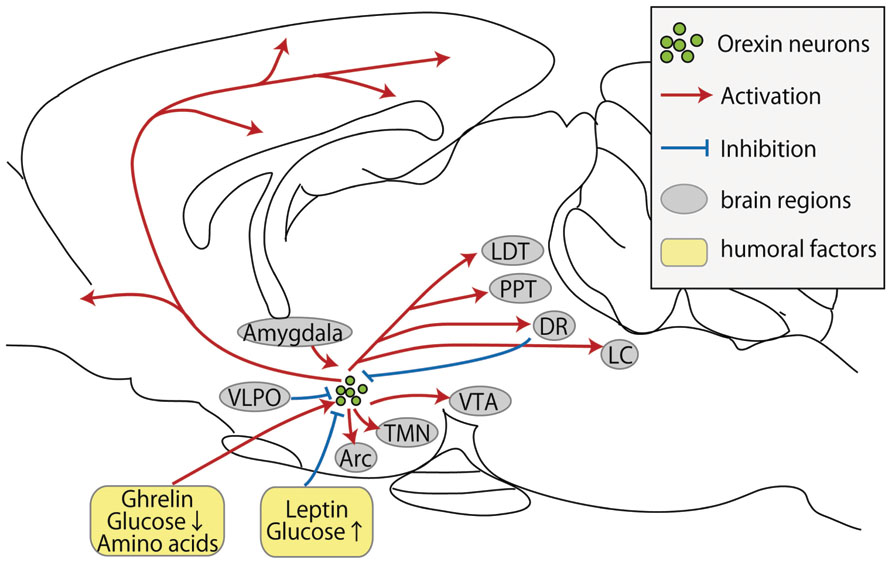
Narcolepsy type 1 is a lifelong neurological disorder. People with the condition have very low levels of a chemical messenger called orexin. It is also known as hypocretin. Orexin helps the brain control wakefulness, sleep and muscle tone.
People with narcolepsy type 1 have lost many of the brain cells that normally produce orexin. This can make it difficult for the brain to maintain a stable state of wakefulness. Patients may experience severe daytime sleepiness. They can also develop sleep paralysis, vivid hallucinations and disrupted nighttime sleep.
One of the most recognizable symptoms is cataplexy. This causes a sudden loss of muscle strength while a person remains conscious. It can be triggered by emotions such as laughter, excitement or surprise. In severe cases a person’s knees may buckle or the entire body may collapse.
Existing medications can help people stay awake or reduce cataplexy. Oveporexton works differently.
The drug activates a brain receptor known as the orexin receptor 2. It essentially replaces part of the signal that the patient’s own orexin would normally provide. The medicine does not restore the lost brain cells and it is not considered a cure. However, it targets the missing signaling system that causes many of the symptoms.
That difference could represent a major change in how narcolepsy is treated.
Two Phase 3 studies called FirstLight and RadiantLight tested oveporexton for 12 weeks. A total of 273 participants took part. Patients received oveporexton or a placebo. Researchers measured how well they could stay awake as well as their daytime sleepiness, cataplexy and overall quality of life.
The results were striking.
Patients taking oveporexton saw median reductions in weekly cataplexy attacks ranging from 79% to nearly 89%. People taking the placebo also improved but their reductions were much smaller at about 28% to 39%.
Participants receiving the drug also showed major improvements in tests that measured their ability to stay awake. All treatment groups reached what researchers considered normal ranges on both the Maintenance of Wakefulness Test and the Epworth Sleepiness Scale. Nearly 97% of treated patients reported an overall improvement in their narcolepsy symptoms.
The studies also looked beyond daytime sleepiness.
Patients reported improvements in sleep paralysis and hallucinations connected to falling asleep or waking. The higher dose also improved disrupted nighttime sleep. More than 70% of treated patients reached the lowest disease severity category used by researchers.
Dr. Emmanuel Mignot of Stanford University was a principal investigator in one of the Phase 3 studies. He said the results could shift treatment away from managing separate symptoms and toward treating the disorder itself, according to Takeda.
The drug does have side effects.
Insomnia was common. FDA prescribing information also warns about frequent urination, an urgent need to urinate and increased saliva production. Some patients developed increased levels of creatine phosphokinase. That is an enzyme that can rise when muscles are damaged. Patients are advised to report unexplained muscle pain, weakness or dark urine.
In the Phase 3 trials, most side effects were mild or moderate. Many cases of insomnia appeared shortly after treatment began and resolved within about a week. More than 95% of participants who finished the studies chose to enter a longer-term extension study. Researchers will continue following those patients to gather information about longer-term safety and effectiveness.
Narcolepsy remains an underdiagnosed condition. The FDA estimates that narcolepsy type 1 affects roughly one in every 2,000 people in the United States. Some patients wait years before receiving the correct diagnosis because symptoms can be mistaken for other sleep or medical problems.
Oveporexton has also received approval in China and Japan.
U.S. patients cannot yet simply pick up the drug at a pharmacy. Oveporexton is still going through the Drug Enforcement Administration’s controlled-substance scheduling process. Takeda says it expects Orzeyful to become available in the United States by November 2026 through specialty pharmacies.
The new treatment is significant because it grew directly out of decades of research into orexin and the brain’s sleep-wake system. Researchers first had to understand why patients with narcolepsy type 1 were losing normal control over sleep and wakefulness. That work eventually pointed toward orexin as a possible treatment target.
The latest results suggest that restoring that signaling can improve several parts of the disease at the same time.
For patients who have spent years taking different medications for different symptoms, the approach could offer a fundamentally different way to manage narcolepsy.
IMAGE: Ayumu Inutsuka, Akihiro Yamanaka / Wikimedia Commons (CC BY-SA 3.0)