
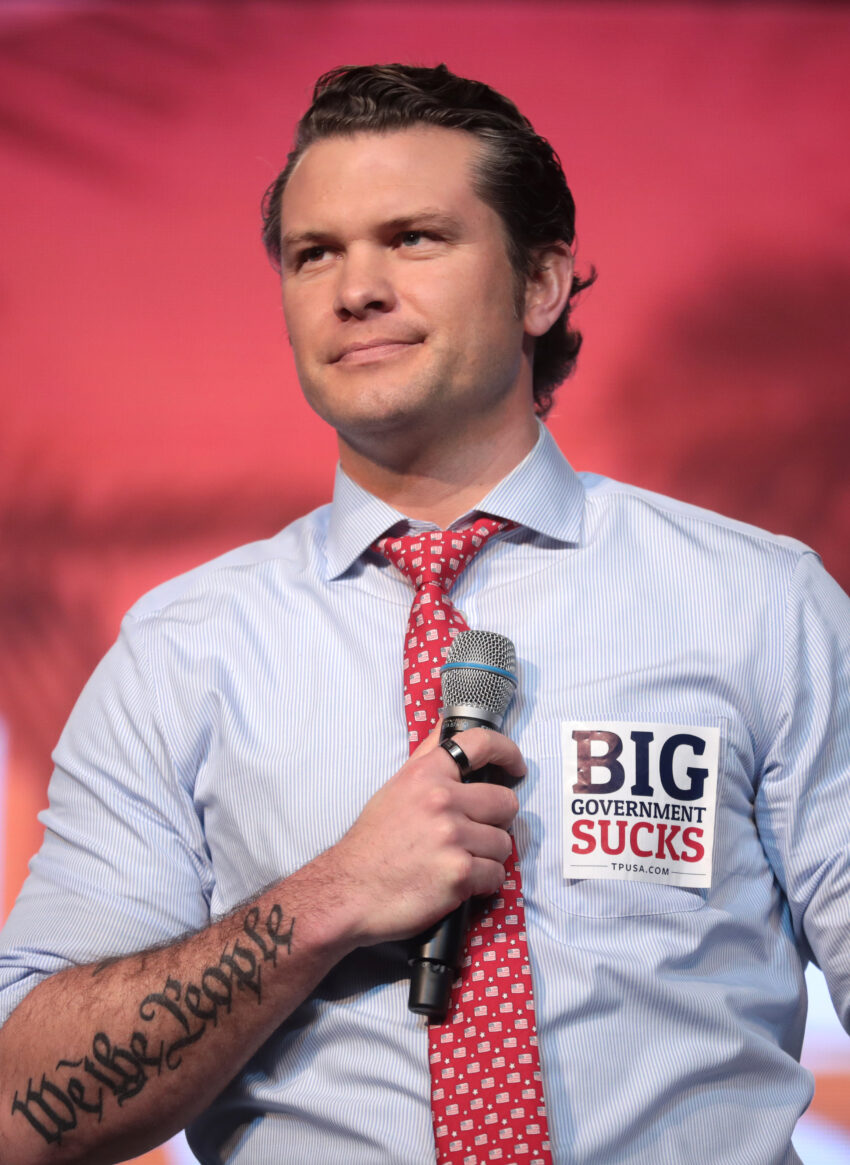
US Defence Secretary Pete Hegseth announced that Colombia, Ecuador, Guatemala, and Honduras are working closely with Washington on military actions against criminal organizations. The US has long offered support to Latin American countries through weapons, intelligence, and training to fight drug trafficking. Since Donald Trump returned to the White House in January 2025, his administration has taken a much more aggressive stance.
The most debated part of this new approach involves attacks on drug-smuggling boats, according to Firstpost. These operations are complicated by the fact that armed groups often operate in areas where civilians live. Ecuador has already taken part in joint operations with the United States.
However, Ecuador’s experience shows how sensitive this issue can be politically. Guatemala has also issued a warning about the situation. This harder line from the Trump administration may appeal to governments and voters who want stronger action against powerful criminal groups.
Drug trafficking networks and armed groups have shown they can change their tactics when faced with military pressure. There is also a political side to this for Latin American leaders. For Trump, expanding military operations in the region goes beyond just counter-narcotics policy.
It is also part of a broader effort to bring more countries in the Western Hemisphere into alignment with Washington. The US military has begun bombing boats suspected of carrying drugs along the coasts of Latin America, according to a report from ABC News. Hegseth said these actions would be similar to what happened in March.
He added that the same kind of effect could happen on land. The US is working with both Ecuador and Colombia in these efforts. Voters in the region are increasingly supporting leaders aligned with Trump, which gives Washington more willing partners.
Michael Shifter, a Latin America expert, said this military presence shows US strength and helps Washington push its own agenda. The US has also taken actions in Venezuela and Mexico, including sending forces into Venezuela to capture its president and involving CIA agents in drug lab busts in Mexico. Hegseth did not give many details about how joint operations with Colombia, Guatemala, and Honduras would work.
Colombia’s National Liberation Army is one of the groups that US forces may join in strikes. Despite strong public opposition, some countries have allowed joint raids with Washington. This trend is most popular among conservative leaders in the region who promised tough crime policies.
Guatemala stands out as an exception to this trend. Its progressive government has worked with Washington on security matters even though they differ politically. President Bernardo Arévalo said such operations would be illegal without congressional approval.
Colombia, Ecuador, and Honduras did not respond to requests for comment on Hegseth’s remarks. Experts say the United States will have to clearly define what joint operations mean in each country. Some observers question whether a more militarized approach will lead to lasting improvements in security.
They also warn that the strategy could cause harm to civilians, especially in Colombia where armed groups live among people. Adam Isacson, a defense analyst, said governments may not be willing to give up much of their sovereignty, The Independent reported. He added that it might become clear quickly that most governments are uncomfortable with this kind of expansion.
IMAGE: Pete Hegseth speaking at an event in West Palm Beach, Florida.. Photo: Gage Skidmore / Wikimedia, taken 2018-12-20, CC BY-SA 3.0