
A large part of a SpaceX rocket is expected to crash into the moon this week. The rocket section will hit the moon near a crater named Einstein. The impact will happen at a speed of about 5,400 miles per hour.
This is the second known rocket part to accidentally hit the moon. The rocket section is about 40 feet long and weighs around 10,000 pounds. It was launched on January 15, 2025, carrying two pieces of equipment meant for the moon.
One of the items successfully landed on the moon. Scientists are excited to see what happens. The flash from the impact will last less than a second.
Dust and debris from the crash may spread for miles. The dust will stay visible for several minutes because there is no wind on the moon. NASA’s Lunar Reconnaissance Orbiter and South Korea’s Danuri orbiter will take pictures before and after the crash.
This event is part of a growing concern about space junk. More rockets and satellites are being launched than ever before. In 2025, the US Space Force issued alerts for nearly 820 objects re-entering Earth’s atmosphere.
That number was much lower ten years ago. Some debris has already caused damage on Earth. A large metal ring from a rocket crashed into farmland in Kenya.
Parts of a SpaceX rocket also fell in Poland. A defunct Chinese satellite broke apart over Spain’s Canary Islands. Experts say the risk of being hit by space debris is rising.
Even though it’s still less likely than being struck by lightning, the danger is growing. Scientists recommend using materials that fully burn up during re-entry. Current international rules were made during the Cold War.
These laws don’t cover modern space activity well. Even the best rocket engineers cannot always predict where debris will land. If debris comes from another country, legal claims are handled under UN treaties.
The United States and China are both trying to land astronauts on the moon soon. Scientists say this crash will not cause any problems.
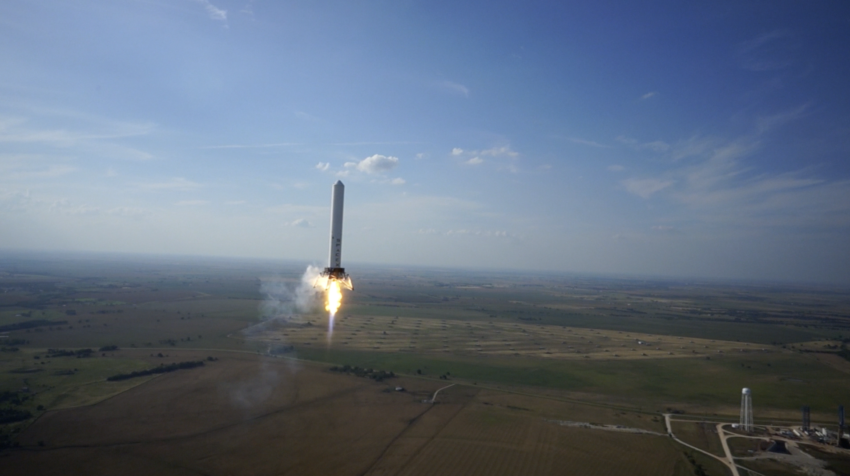
IMAGE: Grasshopper rocket performing a 325 meter flight followed by a soft propulsive landing in an attempt to develop technologies for a reusable launch vehicle.. Photo: SpaceX / Wikimedia, taken 2013-06-14, CC0