
The price of sending objects into orbit has dropped sharply since the 1960s. In 2024 dollars, it now costs about $3,868 to carry a kilogram of payload to space. That is down from nearly $87,000 in 1960. The decrease amounts to a drop of 96% over six decades.
Researchers studied more than 4,400 rocket launches from 1960 through 2025. They looked at rockets made by companies and countries around the world. These included the United States, Russia, China, India, and others. The data showed that the cost of getting things into space has fallen rapidly.
This kind of progress is rare in industry. Experts noted that the rate of cost reduction in space launch is faster than what has happened with solar panels. That technology is often seen as a model for how quickly prices can go down. The speed of change in this field stands out compared to other industries.
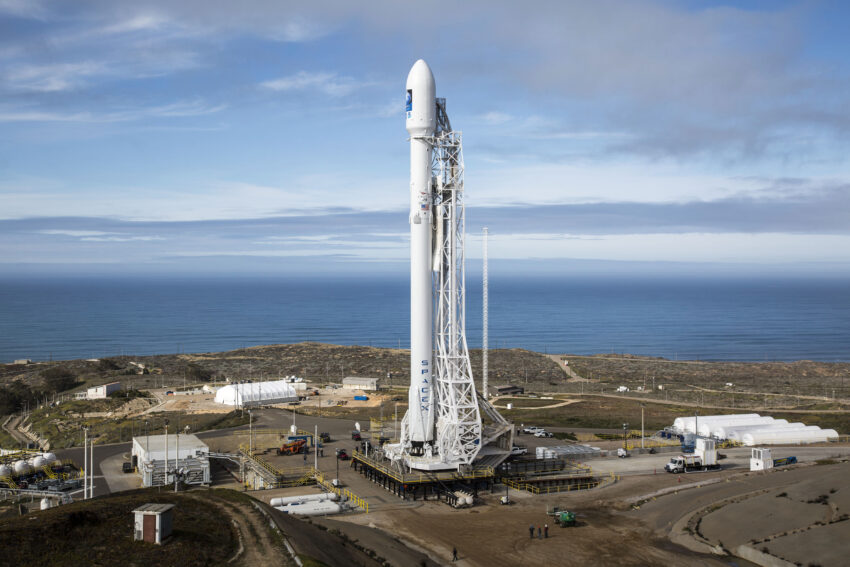
Two main reasons were identified for the drop in price. First, after the Cold War ended, countries began using space for business purposes. This shift encouraged competition and innovation. During the Cold War, nations often used expensive rockets without considering cost. Second, the introduction of reusable rockets has played a big role. The Falcon 9 rocket from SpaceX marked a turning point. It was the first large-scale use of reusable technology in the industry.
Each time the total amount of cargo launched by all companies doubled, the average price to send one kilogram into orbit went down by about 21.2%. This learning rate is much higher than what has been seen with other technologies. Experts believe that this kind of progress will continue. They estimate that prices may fall even further by 2030 and 2040.
By the year 2030, the cost could drop to about $1,600 per kilogram. By 2040, it might be as low as $300. These projections assume that current trends continue without major disruptions.
Still, there are risks that could slow or stop this trend. One issue is space debris. Objects in orbit move very fast. They can damage satellites and spacecraft. If collisions happen often, they create more junk. This could eventually make space too dangerous for launches.
Another concern is the growing dominance of one company. SpaceX currently handles about 75% of all cargo sent to orbit. If a single firm controls most of the market, it might raise prices. That would reduce the total amount of payload launched. Less activity means slower progress on lowering costs.
Political tensions between countries also pose a challenge. Some governments may prefer to use their own rockets instead of relying on foreign companies. This could bring back older patterns seen during the Cold War. Nations might choose more expensive, national solutions rather than cheaper shared services.
Experts say that space is now at a major turning point. The changes happening today are unusual and hard to predict. Trends in technology and business have shifted so quickly that future outcomes are uncertain. Even with strong evidence of progress, the path ahead remains unclear.
IMAGE: Falcon 9 Vertical At Vandenberg Air Force Base. Photo: SpaceX / Wikimedia, taken 2016-01-16, CC0
This article passed automated originality and source-verification checks before publishing.