
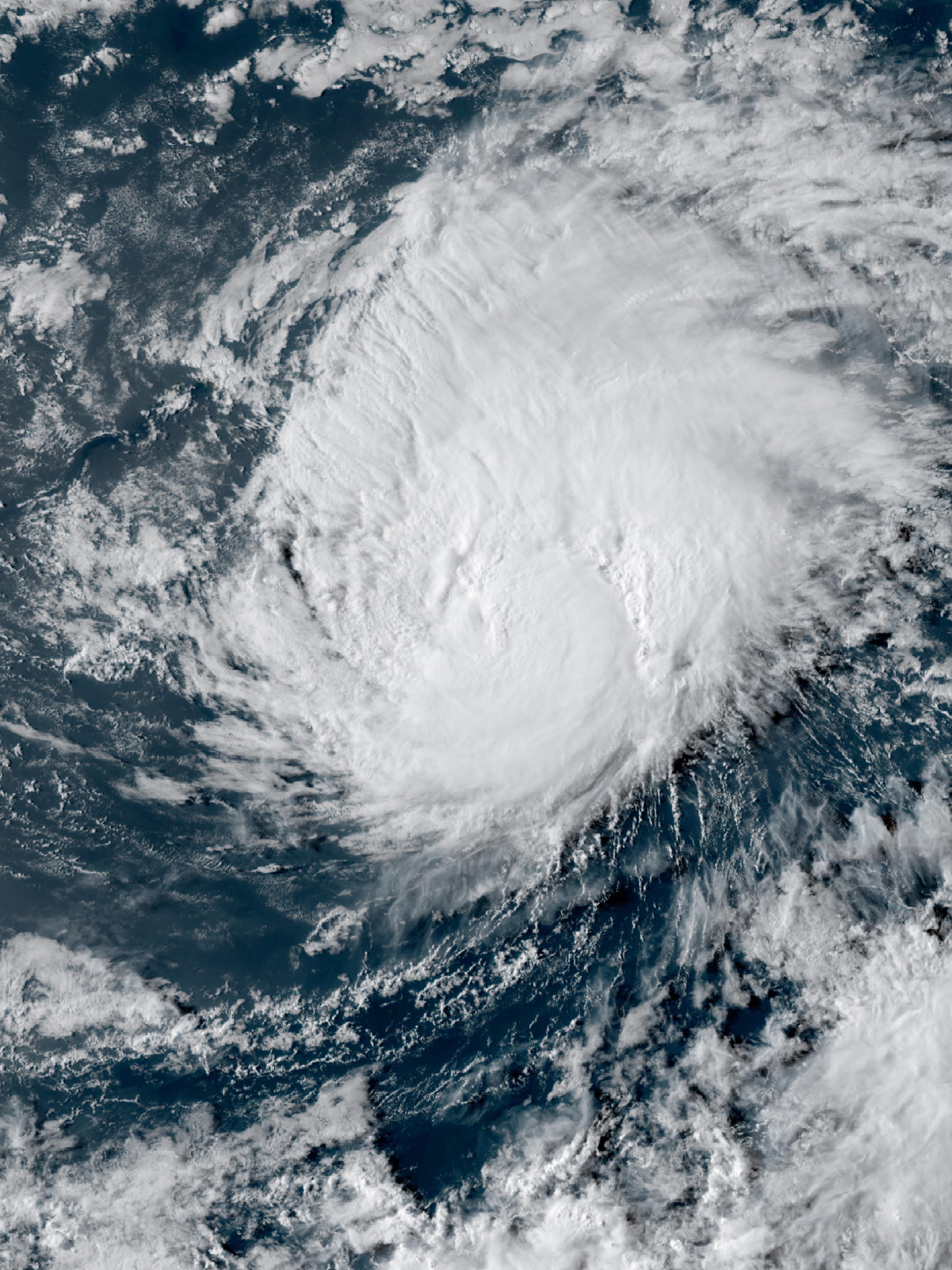
Hurricane Lala moved past Hawaii’s island of O’ahu without making landfall but still caused significant damage from strong winds and heavy rainfall. BYU-Hawaii campus and the nearby Hawaii Laie Mission were affected by the storm, with power lost on Sunday morning, August 16. The mission leaders reported that missionaries were safe and supported by local members during the storm.
Hawaii Governor Josh Green said the Big Island was hit hard, with over 100 homes destroyed and several bridges collapsed, according to deseret.com. The storm brought winds up to 65 miles per hour and caused heavy rainfall that led to flash floods and landslides on Kaua’i, Ni’ihau, and O’ahu. Rainfall totals reached as high as 35 inches in some areas, prompting warnings about delayed rescue efforts due to life-threatening flooding.
One fatality was confirmed from a car crash related to the storm’s rain, and rescue teams were working to assist affected residents. More than 200 National Guard personnel were deployed to help with recovery and rescue operations across the state.
Many residents reported disruptions in cellular service and power outages that continued into the early days of the new week. All public schools, state offices, and county offices were closed on Monday as officials assessed damage from Hurricane Lala.
The storm’s effects followed earlier flooding earlier this year that caused nearly $40 million in damage to crops, livestock, and machinery. Hawaii Department of Education officials said most public schools would resume normal operations on Tuesday, Aug. 18, after campus assessments, according to a report from mauinow.com. Some schools on O’ahu and Hawai‘i Island remained closed due to ongoing health and safety concerns and utility issues.
On the Big Island, most public schools were scheduled to stay closed on Tuesday as officials addressed damage and road access issues. Several schools including Keonepoko Elementary and Pāhoa High & Intermediate were among those remaining closed due to storm impacts.
Some schools like Daniel K. Inouye Elementary and Lāʻie Elementary were also closed but might reopen if power was restored and conditions allowed. Hawaii County Mayor Kimo Alameda reported widespread devastation in the Kau district during a Sunday morning flyover, the Honolulu Star-Advertiser reported.
The storm’s eye passed about 30 miles southwest of South Point, narrowly missing landfall on Hawaii island. Up to 32 inches of rain and Category 1 hurricane-strength winds hit the area, cutting off access to Pahala and damaging infrastructure.
At least six bridges were destroyed or heavily damaged, and floodwaters uncovered a casket from a flooded cemetery. Kau Hospital and Rural Health Clinic were located in the affected area, making access to medical care difficult.
Naalehu Elementary School is expected to remain closed through Thursday because of storm damage and road closures affecting safe access to campus, according to the Hawaii Department of Education. Hawaii County Fire Chief Daniel Volpe said two homes in Naalehu were swept from their foundations during the storm.
A woman was rescued from a vehicle that had been swept away by storm surge and taken to a hospital with moderate injuries. Governor Josh Green praised the rescue efforts and noted that the woman was found in a tree.
No direct storm-related fatalities were confirmed by Sunday evening, though a crash in Ocean View killed one person during the storm. Emergency officials coordinated response efforts involving local, state, and National Guard personnel.
Governor Green said 226 Hawaii National Guard personnel were activated to assist with recovery efforts. Hawaiian Airlines canceled at least 52 flights on Sunday, bringing total disruptions since Saturday to around 190 flights.
A Southwest Airlines flight from Honolulu to Hilo turned back before landing due to unsafe conditions. Passenger Lehua Grant was visiting Oahu with her family when the flight was diverted and described high winds knocking down trees and cutting power.
The state is now shifting from emergency response to recovery as officials urge residents to document property damage and contact their insurers. Hundreds of thousands of people across the island chain remained without power as of Sunday evening.
The Honolulu Board of Water Supply asked residents to conserve water due to possible outages affecting service.
Hurricane Lala is an active tropical cyclone that has brought historic rainfall and widespread flooding to Hawaii. The storm became the third-wettest tropical cyclone on record to affect the state and the first hurricane to directly strike the Big Island since an unnamed hurricane in 1871.
Lala was the ninth named storm and third hurricane of the 2026 Pacific hurricane season. The system developed from a tropical wave in the central eastern Pacific on August 12 and gradually strengthened as it moved toward Hawaii. On August 15, Lala intensified into a hurricane while approaching the Big Island and reached its peak strength south of the island later that day. Interaction with the Big Island’s mountainous terrain weakened the storm, and Lala was downgraded to a tropical storm the following day.
As the storm approached, tropical cyclone watches and warnings were issued across the Hawaiian Islands. State officials declared a statewide emergency on August 13, while shelters were opened and emergency preparations were put into place.
Lala produced torrential rainfall across portions of Hawaii, triggering flash flooding in several communities. Following the storm, a brown water advisory was issued for the Big Island because floodwaters and runoff can carry elevated levels of pollutants and other contaminants.
The Hawaii National Guard and the U.S. Coast Guard were deployed to flood-affected communities, including Nāʻālehu and Waiʻōhinu, where personnel assisted with search-and-rescue operations and other emergency response efforts.
IMAGE: Hurricane Lala at its initial peak intensity south of the Big Island on August 16