
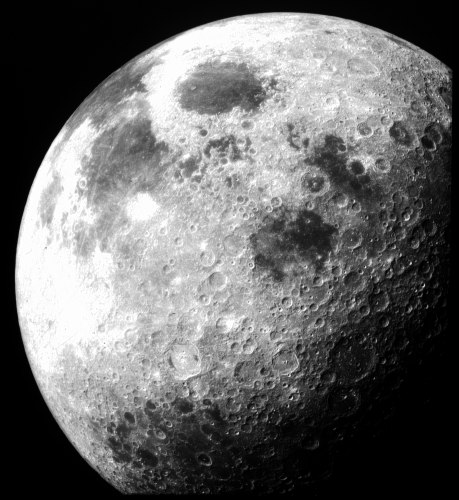
The Institute of Geology, Chinese Academy of Geological Sciences unveiled a new comprehensive map of the moon on August 6, 2026. This map uses a scale of 1:5 million and updates the understanding of ancient lunar periods like Aitkenian, Nectarian, and Imbrian. It also revises the extent and distribution of KREEP terrane, which is rich in potassium, rare-earth elements, and phosphorus. The map is an updated version of a 2024 release and includes reprocessed spectral data to improve accuracy.
China has been active in lunar exploration, including the Chang’e 6 mission that was the first sample-return mission to the lunar far side, according to Space.com. The new map introduces a cartographic standard developed by China, part of a broader push to shape global space norms, according to a report from Yahoo News. This effort goes beyond showing technological strength, as both China and the United States seek to influence how space exploration is organized.
There is currently disagreement between China and the U.S. about how to measure time on the moon due to differences in gravitational effects. This disagreement highlights the growing importance of technical standards in space exploration and shows how China’s new map is part of a larger strategic move.
The United States and Soviet Union have historically contributed to lunar knowledge through sample-return missions decades ago. China’s efforts in mapping the moon are part of its broader space program that includes missions to the far side and plans for future lunar activity. The updated map reflects China’s growing role in space science and its ambitions to lead in international standards for lunar research.
Experts see this as a sign of China’s long-term commitment to becoming a major player in space exploration and geology. The map’s release comes at a time when global interest in lunar missions is increasing, with more countries and organizations planning future projects. It also underscores the importance of accurate mapping for future missions, including possible human landings and resource use on the moon.
This new lunar map is more than a scientific tool; it is part of China’s strategy to assert influence in the global space arena. The Institute of Geology, Chinese Academy of Geological Sciences is behind the map and has been working on lunar research for years. The map’s development shows how China is building its own knowledge base and tools to support future space goals.
As countries around the world renew interest in lunar exploration, such detailed maps become essential for planning and coordination. China’s release of this map signals that it is not only exploring the moon but also shaping how its features are understood and classified. This effort aligns with China’s broader goals in space, including establishing itself as a leader in science and technology.
The map is a key part of China’s growing influence in lunar geology and its vision for future space exploration. With this new map, China continues to build on its achievements in space and assert its role in the global effort to explore the moon.