
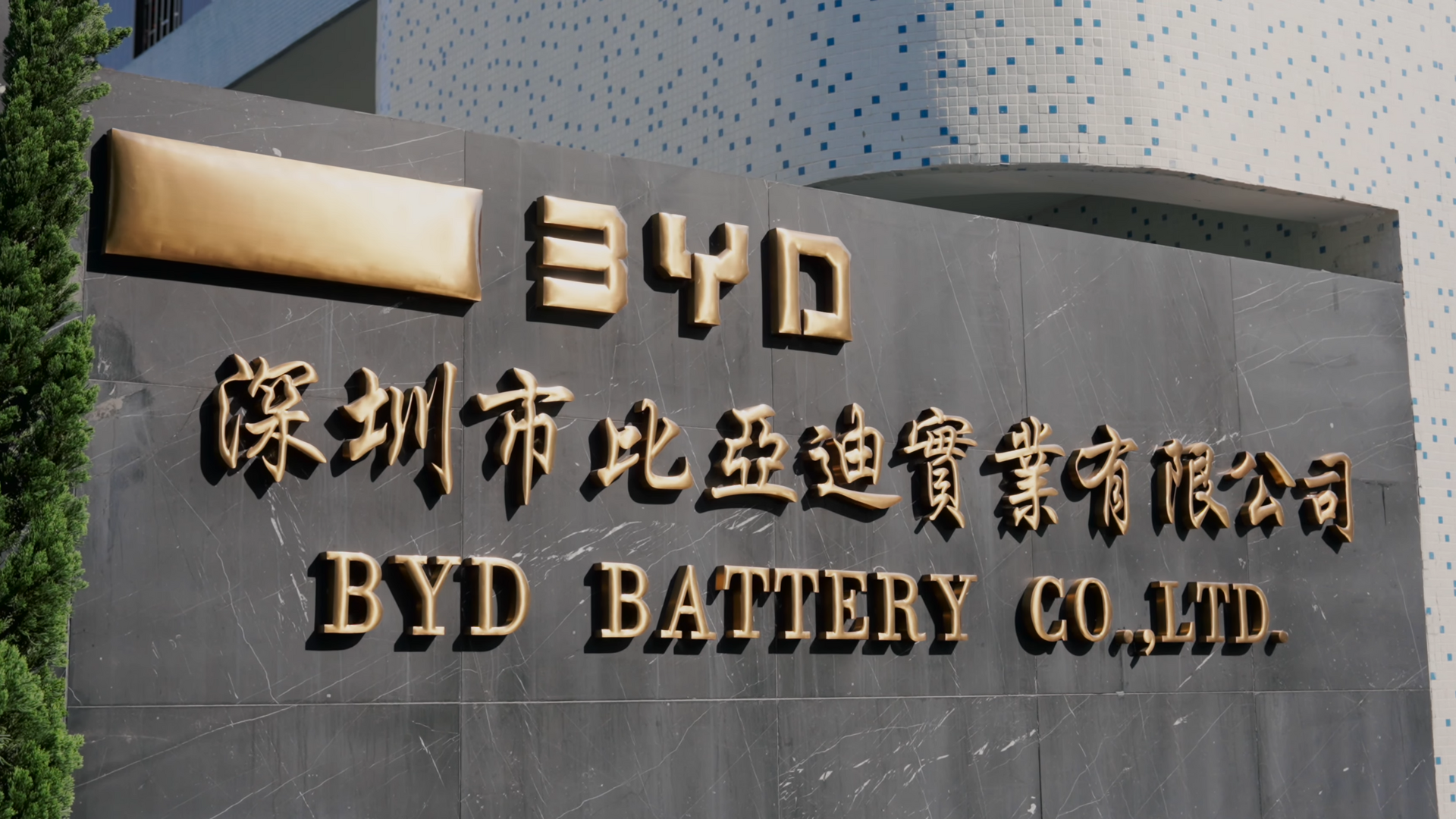
BYD reported a 30% increase in second-quarter profit, ending a streak of four consecutive quarters of declining earnings. The improvement came from stronger overseas sales, which rose nearly 68% compared to the same period last year. Exports made up about 44% of total vehicle sales in the first half of 2026, reducing reliance on the weak Chinese market.
BYD began in 1995 as a rechargeable battery manufacturer in Shenzhen, China, supplying batteries for products such as mobile phones before expanding into automobiles in the early 2000s. Today, BYD is one of the world’s largest electric-vehicle and battery manufacturers, producing battery-electric cars, plug-in hybrids, buses, trucks, energy-storage systems, solar products, and its proprietary Blade Battery technology, while also supplying components and batteries to other manufacturers.
Despite the profit rise, the company’s quarterly revenue fell by 3.2% year-over-year, continuing a trend of declining sales, according to Yahoo Finance. The company’s net profit for the second quarter reached 33 billion yuan, up from an unspecified figure in the same period last year, according to a report from blockonomi.com. Revenue from overseas markets increased by 34% year-over-year, helping to improve margins despite lower overall sales. (Correction: BYD’s net profit for the second quarter reached approximately 8.2 billion yuan, up 30% from a year earlier, while quarterly revenue fell 3.2% to 194.6 billion yuan.)
The company’s gross margin from overseas operations rose to 22%, driven by higher-value exports and better pricing. BYD exported about 792,000 vehicles in the first half of 2026, a nearly 68% increase from the same period last year. The company’s domestic sales have remained weak, with passenger car deliveries falling 20% in the first half of the year.
Chinese demand has been affected by lower trade-in support, property market weakness, and concerns about income levels. Intense price competition in China has also pressured margins across the electric vehicle industry. BYD’s expansion into international markets has led to increased costs, including tariffs, marketing, and logistics expenses.
The company spent 28.9 billion yuan on research and development in the first half of 2026, more than double its net profit for the period. BYD has now invested over 270 billion yuan in research and development, advancing battery and charging technologies. The company has also reached 10,000 flash charging stations and continues to secure energy storage orders through 2028.
Despite the domestic challenges, BYD’s export business is showing signs of momentum with sales increasing for the third consecutive month, electrek.co reported. In the second quarter, BYD delivered 557,090 fully electric vehicles, outpacing Tesla’s 480,126 deliveries. BYD’s international expansion has helped offset losses in China, but also introduces new risks such as currency swings and longer inventory cycles.
The company’s inventory turnover has increased to 109 days from 79 days as more cars sit in transit on long ocean voyages. Despite the challenges, analysts believe BYD is better positioned than its competitors to grow in both domestic and international markets. BYD’s strategy of focusing on exports may be the key to its recovery, even though it brings new financial and logistical risks.
The company’s ability to generate profit from overseas sales suggests that its global expansion is becoming more profitable. BYD’s performance in the second quarter shows a shift in focus toward international markets, which now drive stronger margins. The company’s leadership sees continued growth in exports as a core part of its long-term strategy.
Investors have responded positively to the export-driven recovery, with BYD’s Hong Kong-listed shares rising 26% since the start of the quarter. The company’s market capitalization has increased by nearly $20 billion as a result of improved performance. Analysts note that while the domestic market remains difficult, BYD’s international business is providing a buffer and growth opportunity.
BYD’s first-half results still show a drop in revenue and profit, though the second quarter brought a turnaround. The company’s success in international markets may help it regain strength in China as the price war there eases. BYD’s performance in Q2 signals a potential shift from being primarily a domestic player to becoming more globally focused.
The company’s ability to maintain profitability in a competitive global EV market is a key indicator of its long-term strategy. BYD’s leadership in the global electric vehicle space continues to grow, even as it faces challenges at home. The company’s strong R&D investments and global expansion are setting the stage for future growth, despite current pressures.
BYD’s export success may be a sign that it is better prepared for the future than many of its competitors. The company’s strategy to rely more on international sales may be a key part of its long-term resilience.
IMAGE: iMoD Official / Wikimedia Commons (CC BY 3.0)