
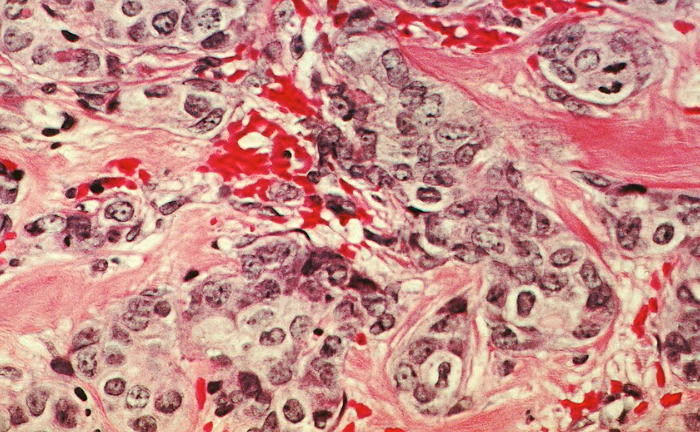
Genentech’s once-daily oral treatment offers a new option for patients at increased risk of breast cancer recurrence following surgery, although its high price raises concerns about affordability.
The U.S. Food and Drug Administration approved a new hormone therapy called Wilserdly on Monday, November 23, 2026, for certain adults with early-stage breast cancer. Developed by Genentech, the once-daily oral medication is designed to reduce the likelihood of cancer returning following surgery. Clinical trial results showed that the treatment was more effective than established hormone therapies in preventing invasive disease recurrence or death.
Wilserdly, also known by its generic name giredestrant, is the first medication in its class approved for early-stage breast cancer. The decision marks an important development in a treatment area that has relied on the same major types of hormone therapy for more than two decades.
How Wilserdly Works
The FDA approved Wilserdly for adults with estrogen receptor-positive, HER2-negative breast cancer in stages I, II and III who have an intermediate to high risk of recurrence.
Approximately 70% of breast cancer cases are hormone receptor-positive and HER2-negative.
In estrogen receptor-positive breast cancer, tumor cells contain receptors that respond to estrogen. When the hormone attaches to these receptors, it can encourage cancer cells to grow.
Wilserdly belongs to a class of medications called selective estrogen receptor degraders, or SERDs. It blocks estrogen receptor activity and promotes the breakdown of those receptors, reducing the ability of estrogen to stimulate tumor growth.
The medication is administered as a daily oral capsule. Its use following surgery is known as adjuvant therapy, which aims to reduce the possibility that remaining cancer cells will cause the disease to return.
Clinical Trial Shows Lower Risk of Recurrence
The FDA’s decision was based on the international phase III lidERA breast cancer study, which enrolled 4,170 adults.
Participants were randomly assigned to receive either giredestrant or conventional hormone therapy. The comparison treatments included tamoxifen and three aromatase inhibitors: anastrozole, letrozole and exemestane.
After three years, an estimated 92.4% of patients receiving giredestrant were alive without invasive disease, compared with 89.6% of patients receiving conventional treatment.
The difference represents an absolute improvement of 2.8 percentage points. Researchers also reported a 30% reduction in the relative hazard of invasive disease recurrence or death during the study.
These measurements describe different aspects of the trial results. The relative reduction does not mean that 30 additional patients out of every 100 avoided a recurrence.
The study also examined whether the medication could reduce the likelihood of cancer spreading to distant parts of the body.
Dr. Aditya Bardia, the trial’s global principal investigator and a professor of medicine at the University of California, Los Angeles, welcomed the findings. He emphasized the importance of preventing breast cancer from returning in the years following initial treatment.
However, researchers have not yet established whether patients receiving Wilserdly live longer overall than those receiving conventional hormone therapy. Continued monitoring will be necessary to answer that question.
Side Effects and Safety Considerations
Although Wilserdly demonstrated encouraging results, it can cause side effects that require medical supervision.
Common adverse reactions include muscle and joint pain, hot flashes, fatigue, headaches and nausea. Clinical trial participants also experienced changes in certain blood test results, including liver enzyme levels and blood cell counts.
The prescribing information includes a warning about bradycardia, a condition in which the heart beats more slowly than normal.
Wilserdly may also harm a developing fetus if taken during pregnancy. Patients should discuss reproductive health and appropriate precautions with their healthcare providers.
According to Genentech, 5.3% of patients receiving giredestrant discontinued treatment because of adverse events, compared with 8.2% receiving conventional hormone therapy.
Maintaining treatment over several years is an important consideration for patients receiving postoperative hormone therapy. Side effects can make it difficult for some individuals to complete their prescribed treatment.
The recommended course of Wilserdly is five years, unless the cancer returns or unacceptable side effects require treatment to stop earlier.
High Treatment Costs Raise Affordability Concerns
Despite its potential clinical benefits, Wilserdly comes with a substantial price.
Reuters reported that the medication will carry a monthly list price of $22,500 in the United States. That amounts to $270,000 annually before insurance coverage, discounts or financial assistance.
Traditional hormone treatments, many of which are available as generic medications, generally cost considerably less.
The difference could influence how insurers establish coverage requirements and which patients receive the new medication.
A drug’s published list price does not necessarily reflect the amount an individual patient pays. Insurance arrangements, negotiated prices and assistance programs can substantially affect out-of-pocket expenses.
The approval therefore raises questions about balancing access to innovative cancer treatments with the financial burden placed on patients and healthcare systems.
Second FDA Approval Within One Week
The early-stage breast cancer authorization follows a separate FDA approval issued on November 16, 2026.
That earlier decision allows Wilserdly to be used alongside everolimus for certain adults with locally advanced or metastatic breast cancer carrying an ESR1 genetic mutation.
Those patients must also meet specific requirements concerning previous endocrine treatment and disease progression.
The two approvals address different stages of breast cancer. While the earlier authorization concerns treatment of advanced disease, the latest decision focuses on reducing the risk of recurrence after initial treatment.
Genentech continues to investigate giredestrant in additional treatment combinations and patient populations.
What the Approval Means for Breast Cancer Patients
The availability of Wilserdly gives oncologists another option when developing treatment plans for eligible patients with early-stage breast cancer.
However, the medication is not intended for every person diagnosed with the disease. Treatment decisions depend on tumor characteristics, recurrence risk, other health conditions and the potential benefits and risks of available therapies.
The new approval does not establish that Wilserdly should replace conventional hormone treatments in every eligible patient.
Genentech expects the medication to become available for the newly approved indication in the coming days.
Researchers will continue following clinical trial participants to determine whether the improvement in invasive disease-free survival eventually translates into a longer lifespan.
IMAGE: Author Dr. Cecil Fox (Photographer) Permission (Reusing this file) Reuse Restrictions None – This image is in the public domain and can be freely reused. Please credit the source and/or author listed above. CC0