
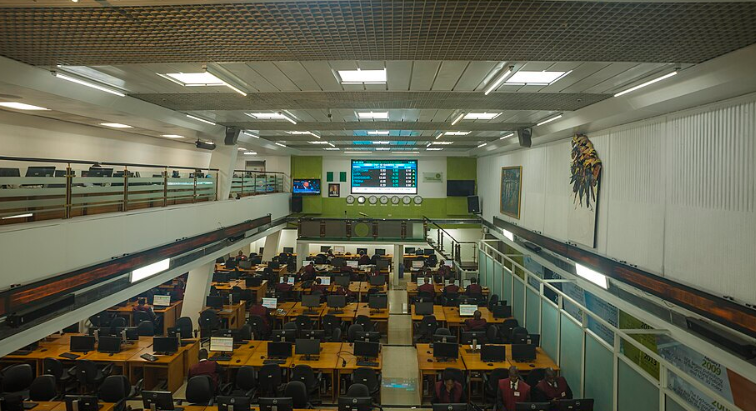
Democrats’ sweeping 2026 election victory triggers major market swings, sending AI, defense and energy stocks lower while healthcare, renewable energy and consumer companies attract investors.
Wall Street experienced a turbulent week after Democrats won control of both chambers of Congress in the November 3, 2026, midterm elections. Investors responded by selling shares in artificial intelligence, defense and energy companies while moving toward healthcare providers, renewable energy businesses and consumer stocks that could benefit from changes in federal policy.
The election results created uncertainty about President Donald Trump’s economic agenda and the future of several major industries. Although the stock market initially rallied on expectations of fewer political surprises, concerns about AI spending and tighter oversight triggered a sharp selloff before shares recovered some ground on Friday.
AI Companies Face Growing Pressure
Artificial intelligence companies experienced some of the largest market swings as investors reconsidered the outlook for data-center construction. The industry has attracted enormous investment in computer chips, electricity generation, cooling systems and infrastructure needed to operate increasingly powerful AI technology.
Companies including Nvidia and Lam Research came under pressure as investors anticipated greater scrutiny of large data-center projects. According to Reuters, the Nasdaq lost approximately $2.5 trillion in market value during the technology selloff as concerns about future development plans intensified.
Some of the strongest opposition to data-center expansion has emerged in communities worried about electricity prices, water consumption and the strain on local infrastructure. Democratic victories in several states increased expectations that lawmakers could introduce additional restrictions or require developers to meet stricter standards.
Texas has become particularly important because of its large concentration of planned data centers. Investors are now considering whether changes in state leadership and local development policies could delay projects that chipmakers, construction firms and electrical equipment suppliers have counted on for future revenue.
The reaction was not uniform across the technology industry. Companies financing large AI projects, including Amazon, generally performed better than some businesses directly dependent on building new facilities.
Wall Street had already been questioning whether AI-related stock prices had risen too far. The election added another source of uncertainty to a market concerned about high valuations, expensive infrastructure and the time required for AI investments to generate profits.
Defense and Oil Stocks Fall on Iran War Expectations
Defense contractors also suffered losses as investors considered whether Democratic control of Congress could increase pressure to end the United States conflict with Iran. The war has affected energy markets and increased demand for military equipment throughout 2026.
Shares of Northrop Grumman, Lockheed Martin, RTX and General Dynamics fell between 4% and 12% after Election Day, according to the Associated Press. Investors appeared concerned that a diplomatic resolution or reduction in military operations could eventually weaken demand for certain defense products.
However, the industry could continue receiving orders even if the conflict ends. Military operations have depleted weapons inventories, creating potential demand for replacement missiles, ammunition and other equipment.
Oil producers and refiners also declined as investors anticipated the possibility of lower crude prices. The Iran conflict has disrupted global energy supplies since February, supporting higher oil prices and increasing costs for businesses and consumers.
Exxon Mobil and Phillips 66 remained ahead for the year despite their post-election declines. Any lasting change in their outlook would depend on actual developments in the conflict and global energy production rather than election results alone.
Elon Musk and Trump Media Face Investor Concerns
Elon Musk emerged as another focus of the market reaction after spending more than $445 million supporting Republican candidates and efforts to retain congressional control. Despite that financial commitment, Democrats secured majorities in both chambers.
Tesla shares fell 10.1% after the elections, while SpaceX shares declined approximately 5%, according to the Associated Press. Investors anticipated that Democratic lawmakers could investigate Musk’s government relationships and his work on federal cost-cutting initiatives during 2025.
Both companies have significant exposure to federal policy, although their businesses differ considerably. Tesla is pursuing autonomous transportation and robotics, while SpaceX operates launch services, satellite communications and AI-related activities.
Trump Media & Technology Group faced an even steeper decline. The company, which operates Truth Social, lost approximately 33% of its market value during the three trading days following the election.
President Trump’s ownership stake had been valued at nearly $5 billion in March 2025 but had fallen below $600 million by early November 2026. The decline reflects a substantial reduction in the market value of his holdings.
Trump Media is pursuing a proposed merger with nuclear fusion company TAE Technologies as part of its broader business strategy. A November 3 filing with the Securities and Exchange Commission confirmed that the companies had submitted an amended registration statement, but the merger had not been completed.
Healthcare and Renewable Energy Stocks Gain
Hospital operators benefited from expectations that Democrats could seek additional healthcare funding when the new Congress takes office in January 2027. Investors focused particularly on Medicaid and financial assistance provided through the Affordable Care Act.
Medicaid spending reductions and the expiration of enhanced Affordable Care Act tax credits have placed financial pressure on healthcare providers and patients. Restoring or expanding support could help hospitals by improving insurance coverage and reducing uncompensated care.
HCA Healthcare gained 6.9% after Election Day, while Tenet Healthcare rose 6.2% and Universal Health Services advanced 10.4%. Those gains reflected investor expectations rather than confirmed changes in federal healthcare funding.
Renewable energy companies also attracted interest as investors anticipated stronger congressional support for wind and solar development. Democratic lawmakers could influence future spending decisions and challenge some restrictions affecting clean-energy projects.
However, Democratic control of Congress does not guarantee that major energy or healthcare legislation will become law. President Trump retains executive authority and can veto legislation, meaning significant policy changes could require negotiations between the parties.
Housing, Consumer Goods and Alcohol Stocks Attract Buyers
Homebuilders and retailers gained as investors anticipated a stronger focus on housing affordability, tariffs and household expenses. High home prices and elevated mortgage rates have continued to make purchasing a house difficult for many Americans.
D.R. Horton rose 4.9%, PulteGroup gained 4.4% and Home Depot advanced 2.9% following the election. Investors hoped that changes in trade policy and energy costs could eventually reduce construction expenses and improve consumer purchasing power.
Mortgage rates remain a major challenge because they are influenced by inflation, Treasury yields and expectations about Federal Reserve policy. Congressional changes alone are unlikely to produce an immediate reduction in borrowing costs.
Alcohol companies also benefited from hopes that Democrats would seek relief from international tariffs. Constellation Brands, which holds U.S. import rights for Corona and Modelo beers, and Brown-Forman, the maker of Jack Daniel’s whiskey, recorded gains.
Tariffs can increase costs for imported products and create trade disputes that hurt American exporters. Reducing those barriers could improve profit margins and lower prices, although changes would depend on negotiations and federal trade decisions.
Investors also purchased shares in companies selling everyday household goods. Costco Wholesale gained 3.4%, Procter & Gamble rose 2.1% and Dollar General increased 2.5% after the election.
These businesses are often viewed as more defensive investments because demand for groceries, household supplies and other necessities tends to remain steadier than demand for expensive technology products. Their gains also reflected expectations that lower energy costs and reduced tariffs might eventually ease inflation.
Political Changes Leave Wall Street Facing Uncertainty
The market’s reaction demonstrated how quickly investors adjust expectations when political control changes. Businesses that benefited from the Trump administration’s policies faced new questions, while companies previously pressured by spending reductions or trade restrictions attracted renewed interest.
By Friday, November 6, technology stocks had staged a partial recovery, with the Nasdaq rising 1.1% after the earlier selloff. The rebound did not erase the losses accumulated during the week, leaving investors cautious about the outlook for AI infrastructure and federal economic policy.
Democrats will not assume control of the new Congress until January 2027, and many potential policy changes remain proposals rather than enacted measures. Until then, companies and investors will be watching congressional leadership decisions, developments in the Iran conflict and the next round of corporate earnings for clearer indications of where the economy is heading.
Investors also hoped that a Democratic Congress would take steps to end the global trade conflict that has raised prices. Beer makers like Corona and Modelo, as well as Jack Daniel’s owner Brown-Forman, saw their shares rise on hopes for tariff relief.
IMAGE: Source Own work Author S.aderogba CC4