
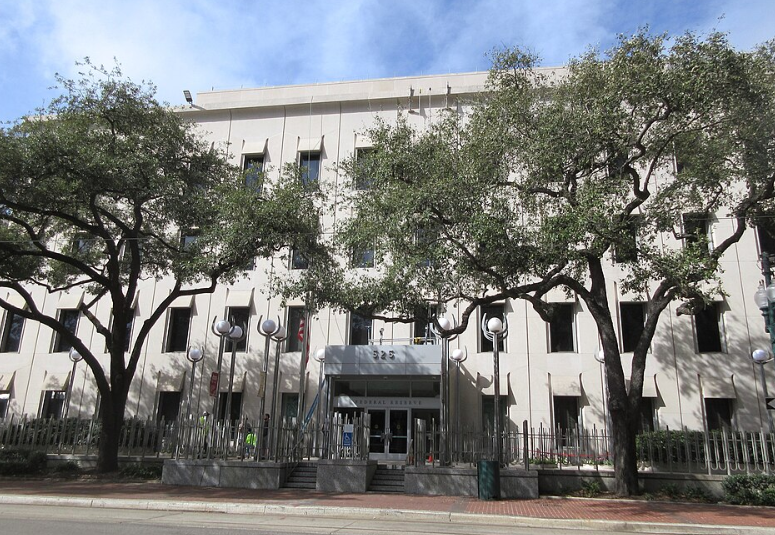
The Federal Reserve’s September rate hike continues to pressure the housing market, with mortgage rates above 7% and buyers seeking better deals as policymakers weigh further action.
The Federal Reserve is keeping its benchmark interest rate unchanged after raising borrowing costs for the first time in more than three years in September. The central bank held rates steady at its October 28, 2026, meeting, leaving its target range at 3.75% to 4% as officials assess persistent inflation and the strength of the U.S. economy.
The decision comes as homebuyers and businesses continue adjusting to higher borrowing costs. Average 30-year fixed mortgage rates reached 7.40% during October before easing to 7.24% by October 29, according to Freddie Mac.
Higher financing costs have complicated home purchases, commercial property transactions and refinancing decisions. Real estate professionals in Florida say some prospective buyers have withdrawn from the market, while others are negotiating aggressively as sellers adjust their expectations.
Federal Reserve Holds Rates After September Increase
The Federal Reserve raised its benchmark rate by a quarter of a percentage point on September 16, ending a period of more than three years without an increase. The unanimous decision moved the federal funds target range to 3.75% to 4%.
Officials said inflation remained elevated despite continued economic expansion. The increase was intended to discourage excessive borrowing and spending, helping move inflation closer to the Fed’s long-term target of 2%.
At the October meeting, policymakers chose not to raise rates again. The Federal Open Market Committee approved the decision by a 10-2 vote, reflecting disagreements about how aggressively the central bank should respond to inflation.
Federal Reserve governors Lisa Cook and Beth Hammack preferred another quarter-point increase. The majority supported maintaining the existing rate while reviewing additional economic information.
The disagreement illustrates the challenge facing policymakers. Higher interest rates can help control inflation, but they also increase financing expenses for households and businesses.
The Fed’s statement described economic activity as expanding at a strong pace, supported by resilient consumer spending, productivity growth and business investment. Employment conditions remained relatively stable, although officials continued to acknowledge uncertainty surrounding geopolitical developments.
The central bank has not committed to another increase at its next meeting. Future decisions will depend on inflation, employment, economic activity and financial conditions.
Mortgage Rates Remain Above 7%
Mortgage rates have increased substantially from their late-summer levels, creating additional obstacles for Americans hoping to purchase homes.
Freddie Mac reported that the average 30-year fixed mortgage rate was 6.71% on September 3. By September 24, the rate had risen to 7.03%, and it reached 7.40% in mid-October.
Rates subsequently declined for two consecutive weeks, reaching 7.24% on October 29. That was still considerably higher than the 6.17% recorded during the comparable week in 2025.
The difference can significantly affect monthly housing payments. Buyers who qualify for a mortgage at today’s rates may find that the same property requires a larger monthly commitment than it would have a year earlier.
Mortgage rates do not move directly with the federal funds rate. They are influenced by longer-term bond yields, inflation expectations, lending conditions and investor demand for mortgage-backed securities.
Still, the Fed’s policy decisions influence the broader financial environment. Expectations of higher interest rates can push borrowing costs upward even before the central bank makes another adjustment.
For many households, elevated mortgage rates add to existing affordability challenges involving home prices, insurance premiums and property taxes.
Florida Real Estate Professionals Report Slower Buyer Activity
In Florida’s Tampa Bay region, real estate investor Ben Mallah has described a market in which buyers are increasingly reluctant to accept sellers’ asking prices.
Mallah has extensive holdings in hotels, restaurants, apartment buildings and commercial real estate. His investments include properties around John’s Pass in Madeira Beach, an area known for tourism, shopping and waterfront businesses.
In comments reported by Spectrum Bay News 9, Mallah said finding buyers had become difficult because many were looking for substantial discounts. He also described higher borrowing costs as a problem for investors considering large property purchases.
Commercial real estate buyers often rely on financing to acquire or renovate properties. When interest rates rise, debt payments can consume a larger portion of rental or business income.
That pressure can reduce the amount investors are willing to pay. Sellers who purchased properties under more favorable borrowing conditions may be reluctant to accept lower offers, creating a gap between buyers’ and sellers’ expectations.
Mallah has expressed hope that financing costs will eventually decline toward 5%. Such a reduction could improve the economics of property purchases, although future rate levels remain uncertain.
He has also emphasized the importance of stability for businesses and property owners. Predictable financing conditions make it easier to evaluate investments and plan long-term expenses.
Buyers May Find More Room to Negotiate
St. Petersburg real estate agent Liane Jamason has observed similar changes among residential buyers. Some prospective customers have stepped away from active house hunting as rising mortgage rates stretch their budgets.
However, Jamason also sees potential opportunities for people who can afford to purchase homes under current conditions.
During the exceptionally competitive housing market of 2020 through 2022, low mortgage rates helped stimulate demand while available inventory remained limited. Buyers frequently faced bidding wars and made offers above asking prices.
Jamason recalled an especially competitive transaction in which a buyer offered Disney tickets to strengthen an offer. The unusual incentive reflected how difficult it had become to purchase desirable homes during that period.
The current market presents different circumstances. With borrowing costs higher and some buyers remaining on the sidelines, sellers may be more willing to negotiate on price, closing costs or other contract terms.
That does not automatically make purchasing a home more affordable. A lower purchase price can be offset by higher interest payments, particularly for buyers financing most of the transaction.
Prospective homeowners must consider both the price of the property and the long-term expense of their mortgage. The possibility of refinancing later should not substitute for being able to afford the original loan.
Commercial Real Estate Faces Its Own Challenges
Higher interest rates also affect hotels, office buildings, apartment complexes and retail properties. Investors frequently depend on borrowed money, making financing costs central to whether a transaction is profitable.
A property that generated an attractive return with a low-interest loan may be considerably less appealing when refinancing at today’s rates. Borrowers with loans approaching maturity can face difficult decisions about selling, refinancing or contributing additional capital.
Banks may sometimes negotiate repayment terms or restructure loans when borrowers experience financial difficulties. Such arrangements depend on the lender, the property’s financial performance and the borrower’s circumstances.
Mallah has suggested that some lenders are showing greater flexibility when dealing with commercial property owners. His observations reflect his experience in the Florida market rather than a verified nationwide change i
IMAGE: Source Own work Author Infrogmation CC4