
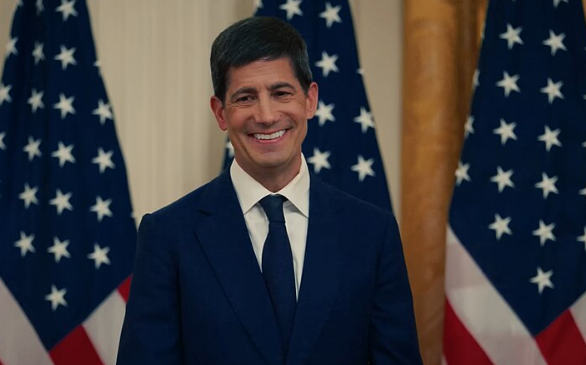
The Federal Reserve took action on Wednesday by raising interest rates by a quarter of a percentage point, the first increase since July 2023. Fed Chair Kevin Warsh said that inflation is too high and has remained elevated for an extended period of time. The decision comes as inflation remains above the Federal Reserve’s 2 percent target, creating pressure to address price increases across the economy. The Fed raised its target range for the federal funds rate from 3.5% to 3.75% to a new range of 3.75% to 4.00%. The Federal Open Market Committee approved the increase in a unanimous 12-0 vote.
This increase in interest rates will impact various financial products differently, including mortgages, car loans, and credit card balances, according to a report from entrepreneur.com. Homeowners with fixed-rate mortgages are not affected by the change, as their rates are locked in regardless of central bank actions. Adjustable-rate loans and credit cards may see higher interest charges, which could increase monthly payments for consumers. Mortgage rates are not set directly by the Fed and are more closely tied to longer-term Treasury yields. Car loan costs are also expected to rise, with estimates suggesting an average additional $6 per month for borrowers. Credit card interest rates may rise as well, a concern given that credit card debt is near an all-time high. On the positive side for savers, higher interest rates could lead to better returns on high-yield savings accounts and certificates of deposit.
The Fed raised rates 11 times from March 2022 through July 2023 before later cutting rates in 2024 and 2025. At the beginning of this year, inflation was lower, and many Fed officials had expected a rate cut before the end of the year. The Fed’s December 2025 projections showed a median expectation for one quarter-point rate cut during 2026. The latest projections now show most policymakers expect at least one more rate increase before the end of 2026.
Inflation has been driven in part by energy prices, especially gas, which costs about $1 more per gallon on average than it did a year ago. Rising inflation and higher interest rates have led to increased concern among investors and consumers alike. Recent economic data shows that inflation has outpaced wage growth, with real average hourly earnings down 0.3% from a year earlier in August. The Labor Department said consumer prices rose 3.4% from a year earlier in August while gasoline prices increased 3.9% during the month.
The US bond market has seen a sell-off as investors react to higher rates and inflation concerns. In addition to domestic factors, global developments such as oil prices also influence financial markets and central bank decisions. The 10-year Treasury yield reached 5% after the Fed decision while the two-year yield also climbed. The FTSE 100 index has shown some movement in recent days, with energy and mining stocks reacting to changes in commodity prices. European markets were influenced by a drop in oil prices, which helped ease some investor concerns about inflation and economic growth.
However, the overall outlook remains uncertain as central banks continue to balance economic stability with inflation control. The Fed’s actions are part of a broader effort to manage price increases and maintain long-term economic health. Concerns about federal deficits and debt have also added pressure to long-term Treasury yields. President Donald Trump criticized the rate increase and called for interest rates of 1% or lower. Warsh said the Fed would keep its focus on inflation and reiterated the central bank’s independence.
Investors are closely watching developments in the US economy and global markets for signs of further shifts in policy direction. The Bank of England continues to monitor inflation trends and may adjust its own interest rate policies accordingly.
IMAGE: Kevin Warsh, member of the Board of Governors of the Federal Reserve.. Photo: Federal Reserve / Wikimedia, taken 2006-00-00, Public domain
This article passed automated originality and source-verification checks before publishing.