
With Election Day set for November 3, researchers report that most identified AI-generated political advertisements lack disclosure labels, while more than 54 million Americans have already voted.
Artificial intelligence has become a major force in the 2026 U.S. midterm elections, with campaigns and political groups spending more than $137 million on advertisements created or enhanced using AI. The surge comes as more than 54 million Americans have already cast ballots ahead of Tuesday’s elections, which will determine control of Congress and numerous state offices.
Research released October 15 by the Wesleyan Media Project identified 220 political advertisements involving AI technology. Only 27% included a disclosure identifying AI use, raising concerns about whether voters can distinguish authentic campaign footage from digitally manufactured scenes.
The findings arrive during the final days of an election cycle shaped by economic concerns, international conflict and competitive Senate races. Campaigns are using increasingly sophisticated technology to create political messages, while election officials are reporting substantial early participation across several states.
AI Political Advertising Surpasses $137 Million
The Wesleyan Media Project found that spending on identified AI-generated or AI-enhanced advertisements had exceeded $137 million through its October 11 reporting period. Researchers said the total was almost certainly an underestimate because some AI-generated content is difficult to detect.
The increase is substantial compared with the 2024 election cycle, when researchers identified less than $50,000 in spending on comparable advertisements. Improvements in generative AI have made it easier for political campaigns to produce convincing images, synthetic voices and realistic video without traditional filming.
Republican candidates and affiliated organizations accounted for 81% of the identified advertisements and 88% of spending. Democratic candidates and supporting groups produced approximately 12% of the advertisements, while independent campaigns and issue-focused organizations accounted for the remainder.
These figures describe the advertisements researchers identified, not every political advertisement produced during the campaign. They also do not establish that all AI-assisted messages contain false information.
Some campaigns use AI to improve visual effects, create animated scenes or reduce production expenses. Others employ synthetic images or voices to depict political opponents saying or doing things that never occurred.
Researchers found AI-related advertisements in 34 states, demonstrating how widely the technology has entered political campaigning.
Most AI Campaign Ads Lack Disclosure Labels
Only 27% of the advertisements identified in the latest research disclosed their use of artificial intelligence. That means approximately 73% appeared without such notices, making it difficult for some viewers to recognize digitally created material.
The Associated Press reported that disclosure laws vary considerably among states. Some require labels on certain synthetic political content, while others have no comparable restrictions.
Enforcement is complicated by differences between ordinary digital editing, AI-generated illustrations and realistic impersonations. A clearly fictional cartoon may present different risks from a fabricated video designed to look like an authentic candidate statement.
New York has become one example of those challenges. A campaign advertisement supporting Republican gubernatorial candidate Bruce Blakeman depicted Democratic Governor Kathy Hochul and New York City Mayor Zohran Mamdani in an artificial scene.
The advertisement used digitally created imagery to criticize Hochul on taxes, crime and affordability. Democrats filed a complaint alleging that the material violated state disclosure requirements.
The dispute illustrates the difficulty of deciding when political satire becomes misleading synthetic content. It also raises questions about how prominently advertisements should identify material generated using AI.
Campaigns Use Synthetic Images to Attack Opponents
AI-generated political advertising has appeared in several high-profile contests involving both major parties. In Texas, Republican Senate candidate Ken Paxton’s campaign used synthetic imagery targeting Democratic opponent James Talarico.
One advertisement portrayed Talarico reading from a fabricated version of the King James Bible and drawing himself as a king. The scene was created for political criticism rather than documenting an actual event.
Other advertisements have used artificial imagery to portray candidates in exaggerated or embarrassing situations. Such material can circulate widely on social media, where viewers may encounter short clips without accompanying explanations.
Satirical advertisements are not necessarily intended to deceive viewers into believing every scene occurred. Nevertheless, realistic synthetic footage can create confusion when its fictional nature is unclear.
Another concern involves fraudulent fundraising appeals that imitate political candidates or their campaigns. AI-generated voices, photographs and messages can make impersonation attempts appear more convincing.
These practices are distinct from legitimate campaign advertisements, but they present related problems involving authenticity and public trust.
Congress Considers New AI Election Safeguards
Federal lawmakers have proposed additional measures addressing deceptive AI-generated election content. On October 19, Democratic Representative Shontel Brown of Ohio introduced the Securing Elections from AI Deception Act.
The legislation would prohibit certain uses of AI intended to deprive or defraud people of their voting rights. It would also establish disclosure requirements for AI-generated campaign material.
Brown’s proposal includes enforcement responsibilities for the Federal Trade Commission and covers federal, state and local election content. The legislation had 30 House co-sponsors when her office announced it on October 21.
Supporters argue that clearer labeling requirements would help distinguish authentic campaign messages from synthetic material. Questions remain about how such rules should account for satire, political expression and the different ways AI can be used during production.
The measure had not become federal law before the November 3 elections. Existing state requirements and platform policies therefore remain important parts of the current regulatory landscape.
More Than 54 Million Americans Vote Early
While AI advertising has attracted attention, early voting data show substantial public participation ahead of Election Day. University of Florida Election Lab figures cited in reporting Monday showed more than 54 million ballots cast in person or returned by mail.
The national total was continuing to change as election offices processed additional returns. The figures represented ballots recorded before Election Day rather than the final turnout for the election.
Texas reported approximately 7.7 million early ballots, including more than 7.4 million votes cast in person. The state’s early participation exceeded comparable figures from the 2022 midterm election.
Georgia recorded more than 2.8 million early ballots, setting a state midterm early-voting record. That represented an increase over the approximately 2.54 million early ballots recorded during the 2022 election.
North Carolina also reported more than 2.8 million ballots, while Florida exceeded 5.4 million. Michigan had recorded more than 2.3 million early votes by the final campaign period.
Comparisons between elections require care because voting rules, reporting schedules and population sizes can change. Higher early-voting totals do not automatically establish that overall turnout will increase by the same proportion.
Early voting statistics also do not reveal which candidates received those ballots. Even where party registration information is available, registration does not necessarily establish how someone voted.
Michigan Senate Race Faces Last-Minute Political Upheaval
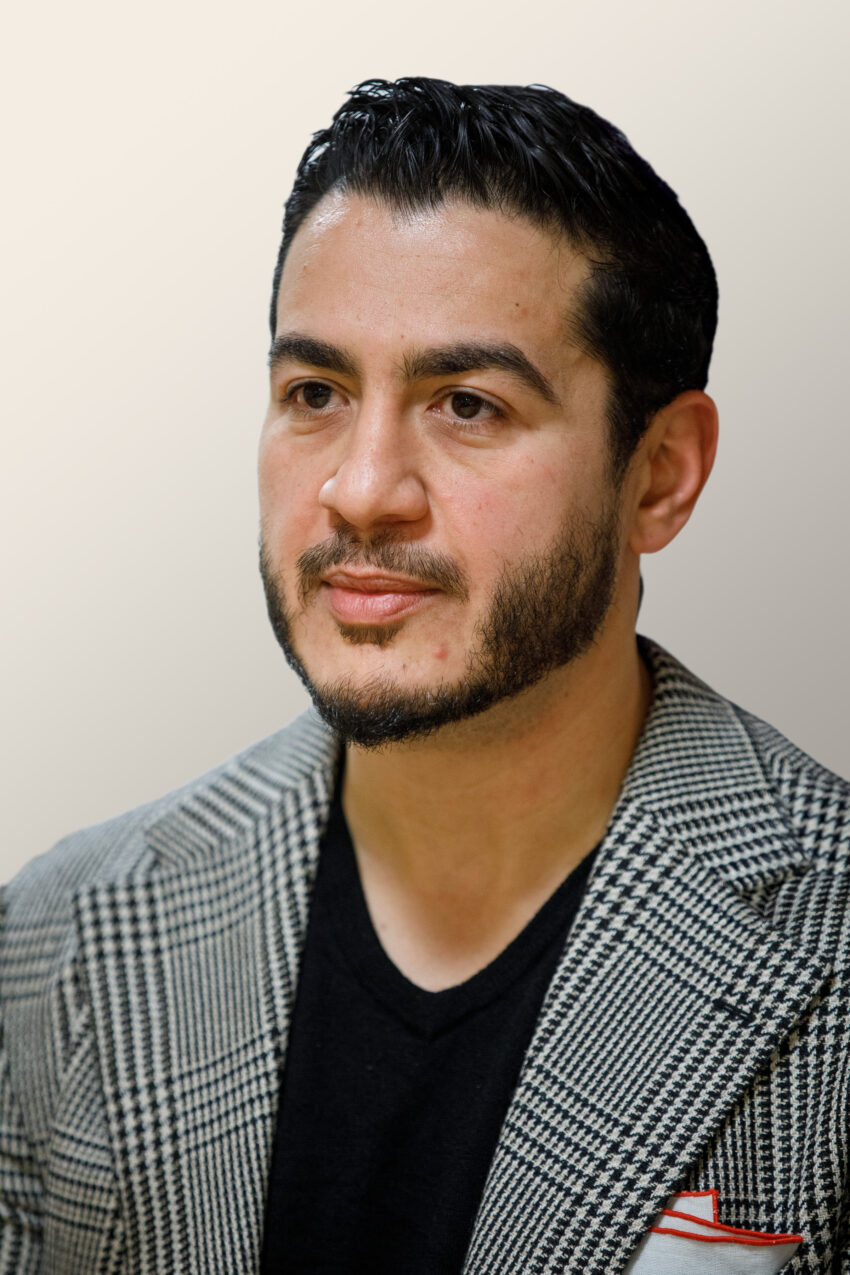
Michigan’s Senate contest between Democrat Abdul El-Sayed and Republican Mike Rogers has attracted national attention. The race became particularly contentious after Democratic Representative Haley Stevens unexpectedly endorsed Rogers on November 1.
Stevens had narrowly lost the Democratic Senate primary to El-Sayed in August and initially supported his general election campaign. However, tensions between the two intensified over political messaging and disagreements involving Israel.
Stevens attended a Detroit church service with Rogers before publicly announcing her endorsement. She said her decision reflected personal concerns about El-Sayed’s campaign and its associations with controversial political figures.
El-Sayed rejected the suggestion that the endorsement should dominate the final campaign days. Democratic leaders criticized Stevens’ decision, while Republican officials welcomed her support.
The endorsement also disrupted a planned Democratic unity event. It became a significant development in a race that could affect the balance of power in the Senate.
A New York Times/Siena survey reported by Reuters showed El-Sayed receiving 53% support compared with 42% for Rogers. The figures represented a polling snapshot rather than an election result.
The El-Sayed campaign also reported receiving a surge of donations after Stevens’ announcement. That fundraising belonged to El-Sayed’s campaign and should not be confused with financial support provided by Stevens.
Election Results Will Test Campaign Strategies
The November 3 elections will provide a major opportunity to assess the political environment after months of expensive advertising and intense campaigning. However, researchers cannot determine from spending totals alone whether AI-generated advertisements changed voters’ decisions.
Similarly, strong early-voting participation does not establish which party will benefit once ballots are counted. Differences in when people vote can make early turnout an unreliable measure of final outcomes.
Researchers studying campaign communications will be examining whether voters recognized synthetic content and whether disclosure labels affected perceptions of credibility. The findings could influence future debates about federal and state advertising rules.
For election officials, the immediate priority is administering the vote and reporting results accurately. For researchers, the 2026 campaign offers an unusually extensive record of how artificial intelligence has entered American political advertising.
The Wesleyan Media Project’s $137 million spending estimate and 220 identified advertisements provide a starting point for that analysis. With Election Day arriving November 3, the final results will be followed by continued examination of campaign transparency, synthetic media and public confidence in political information.
IMAGE: Abdulrahman Mohamed El-Sayed, director of the Department of Health, Human, and Veterans Services for Wayne County, Michigan in 2025. Photo: Kenneth C. Zirkel / Wikimedia, taken 2025-02-03, CC BY-SA 4.0