
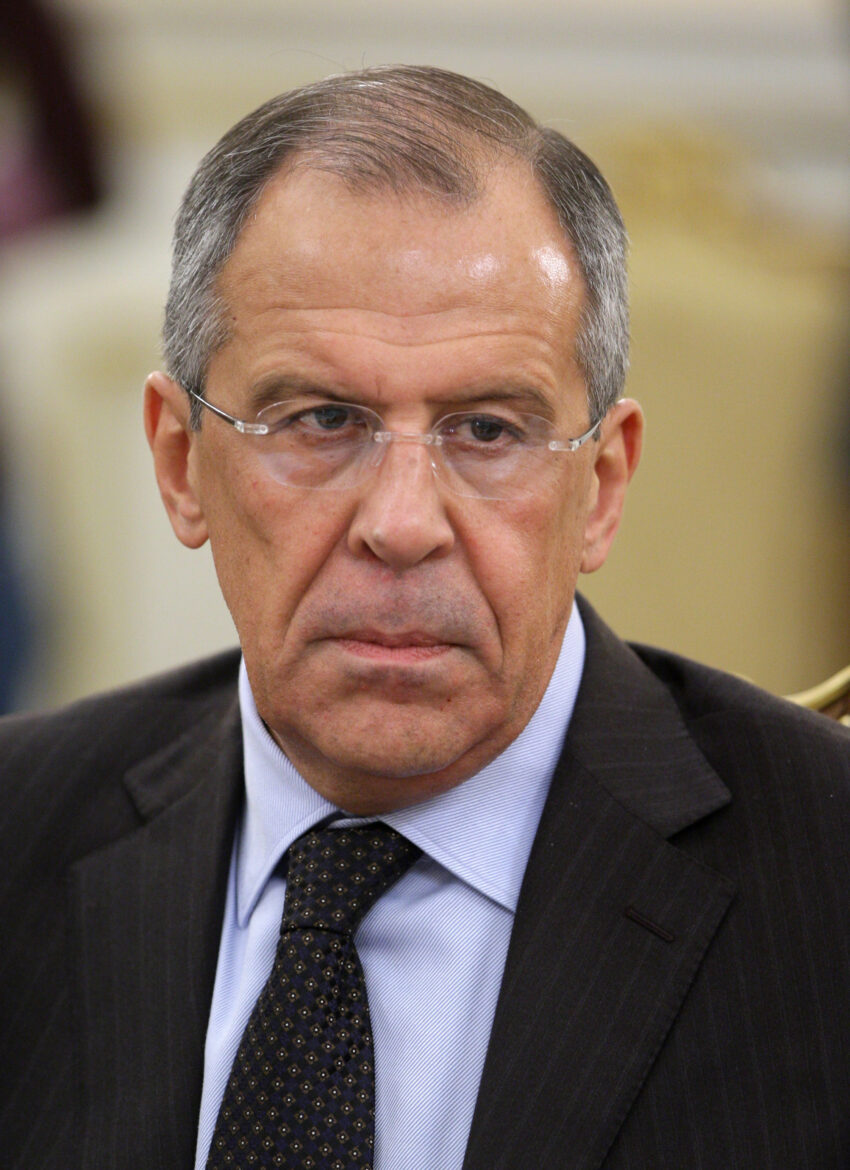
European diplomats refused to appear alongside Russian Foreign Minister Sergey Lavrov at the October 30 meeting in Atlanta, prompting Secretary of State Marco Rubio to cancel the traditional photograph as divisions over Ukraine and global security overshadowed the talks.
The United States canceled a planned group photograph at the G20 Foreign Ministers’ Meeting in Atlanta, Georgia, on Friday, October 30, 2026, after European diplomats objected to appearing alongside Russian Foreign Minister Sergey Lavrov. Secretary of State Marco Rubio made the decision as representatives gathered for two days of discussions on international security, trade and economic stability.
The cancellation followed warnings from several delegations that they would refuse to participate in the traditional photograph, commonly known as the G20 family photo. The diplomatic dispute reflected continuing disagreements over Russia’s war in Ukraine and concerns about Washington’s recent approach toward Moscow.
According to Reuters, approximately one-third of the participating delegations opposed being photographed with Lavrov. The objections extended beyond European Union countries to include representatives from Australia and Canada.
Rubio Cancels Photograph to Avoid Diplomatic Dispute
The group photograph was scheduled as part of the opening activities for the October 30–31 ministerial meeting. Such photographs normally bring together senior representatives of participating governments as a public symbol of international cooperation.
However, the prospect of posing with Lavrov caused objections before the ministers assembled.
Two American officials told The Associated Press that Rubio decided to remove the photograph from the agenda because the disagreement threatened to distract from the discussions.
CNN reported that organizers considered taking two separate photographs, one including Lavrov and another excluding him. The proposal was ultimately abandoned in favor of canceling the group photograph entirely.
The foreign ministers proceeded with the meeting without the traditional image.
The decision allowed participants to attend the discussions without appearing in a photograph that some European governments believed could suggest normal diplomatic relations with Russia.
It also demonstrated the difficulties facing the United States as it attempted to host a gathering involving governments with sharply different positions on major international conflicts.
Germany and Poland Reject Photograph With Lavrov
German Foreign Minister Johann Wadephul was among the officials who publicly opposed appearing alongside the Russian representative.
Wadephul said European countries could not present diplomatic relations with Russia as normal while the war in Ukraine continued.
“There is no normality with Russia,” Wadephul told reporters in Atlanta.
He nevertheless emphasized the importance of discussing disagreements directly with Russian officials rather than abandoning international negotiations.
The German minister said governments needed to exchange opposing views at the negotiating table while avoiding public gestures that could imply their disagreements had been resolved.
Polish Foreign Minister Radosław Sikorski also supported the cancellation.
Sikorski told reporters that the United States had made the right decision and acknowledged that other officials shared his reluctance to appear alongside Lavrov.
Poland has been among Ukraine’s strongest European supporters since Russia launched its full-scale invasion in February 2022.
The British government also opposed a photograph involving Lavrov. Foreign Secretary Ed Miliband said Britain had avoided that form of diplomatic engagement with Russian officials for several years.
The opposition reflected a wider European position that routine diplomatic appearances should not obscure disagreements over Russia’s military actions.
Russia’s Participation Raises Broader Questions
Lavrov traveled to Atlanta despite the strained relationship between Russia and several Western governments.
Russian officials had raised concerns about visa arrangements for their delegation before the meeting. Foreign Ministry spokesperson Maria Zakharova said the difficulties had been resolved shortly before the gathering.
Zakharova indicated that Lavrov would use the meeting to advocate changes to international economic institutions and promote Russia’s position on a multipolar international system.
Russia has continued to reject Western sanctions imposed following its invasion of Ukraine.
European governments, meanwhile, have argued that Russia’s military operations and attacks on Ukrainian civilian infrastructure require sustained international pressure.
Lavrov’s attendance created a diplomatic challenge for Rubio because the United States had invited Russia while several close American allies remained strongly opposed to normalizing relations.
The G20 includes countries with different political systems, security interests and economic relationships. Its meetings bring together governments that frequently disagree on international conflicts.
Participation in the organization does not require members to endorse one another’s foreign policies.
The canceled photograph showed how those disagreements can affect even the ceremonial aspects of diplomacy.
Trump’s Russia Policy Adds to Tensions
The dispute occurred amid criticism of President Donald Trump’s recent decisions concerning Russia and Ukraine.
The Trump administration had waived certain new sanctions involving Moscow and temporarily limited logistical and intelligence assistance to Kyiv.
European governments expressed concern that such measures could weaken pressure on Russia while its military campaign continued.
Ukraine also criticized Washington’s recent approach and urged its Western partners to maintain security assistance.
Those disagreements complicated the diplomatic atmosphere before the G20 meeting began.
The United States has continued authorizing some weapons purchases for Ukraine, including a proposed $2.1 billion sale of Patriot interceptor missiles announced on October 30.
However, American and European officials have not always agreed on how military assistance, sanctions and negotiations should be coordinated.
The G20 gathering provided another opportunity for these differences to become visible.
Rubio Urges Cooperation on Global Economic Crises
Despite the dispute over the photograph, Rubio opened the ministerial meeting with an appeal for cooperation.
He warned that governments faced interconnected economic and geopolitical crises threatening international stability.
“We are in a critical moment,” Rubio told participants during his opening remarks.
The secretary of state said the challenges extended beyond individual countries and affected the foundations of the global economy.
Among the issues on the agenda were energy security, food supplies, international trade and freedom of navigation through important shipping routes.
The United States identified maritime security as a priority, particularly in the Strait of Hormuz, the Red Sea, the Black Sea and the South China Sea.
Disruptions in those waterways can affect the movement of oil, natural gas, food and manufactured goods.
The meeting also took place amid tensions involving Iran and the continuing war between Russia and Ukraine.
American officials hoped the talks would encourage practical cooperation even where governments remained divided on political and military questions.
China and South Africa Add to Diplomatic Complications
The meeting faced additional disagreements involving China and South Africa.
China sent Executive Vice Foreign Minister Ma Zhaoxu instead of Foreign Minister Wang Yi, while most other participating governments were represented by their top diplomats.
The United States and China have continued to disagree over trade practices, maritime security and Beijing’s activities in the South China Sea.
South Africa, a founding G20 member, was not invited to the Atlanta meeting.
The Trump administration has had several diplomatic disputes with South Africa, including disagreements over domestic policies and international relations.
South African officials said their absence was not voluntary.
The country’s foreign ministry also welcomed expressions of concern from other G20 members and said South Africa remained prepared to participate on equal terms.
Ukraine was not invited either, although it had attended some previous G20 meetings as a guest.
American officials said the Atlanta gathering was limited to formal participants, even though the decision to exclude Ukraine attracted attention because the war was one of the meeting’s major issues.
Joint Statement Appears Unlikely
The political disagreements made a unified declaration increasingly difficult.
G20 meetings traditionally seek agreement on statements addressing shared economic and international priorities. However, consensus requires participants to accept common language on potentially divisive subjects.
Russia’s war in Ukraine, tensions involving Iran, American trade policies and disputes in the South China Sea have created substantial obstacles.
Diplomats indicated that the Atlanta meeting was unlikely to produce a jointly approved communiqué.
Instead, the United States was expected to release a chair’s summary outlining the discussions and identifying areas of agreement and disagreement.
A chair’s summary differs from a negotiated joint declaration because it reflects the host government’s account rather than a position formally endorsed by every participant.
The meeting is intended to prepare the ground for the G20 leaders’ summit scheduled for December in Miami, Florida.
President Trump is expected to host that gathering at his golf resort, Trump National Doral.
The cancellation of Friday’s photograph did not prevent the foreign ministers from beginning their scheduled negotiations. It did, however, demonstrate the continuing political divisions that could make agreement at the December summit difficult.
The Atlanta discussions continue through Saturday, October 31, with attention focused on whether participating governments can identify practical areas of cooperation despite their disagreements over Russia, trade and international security.
IMAGE: Министр иностранных дел Российской Федерации С.В.Лавров на заседании Президиума Правительства Российской Федерации. Photo: Сайт Правительства Российской Федерации / Wikimedia, taken 2010-03-17, CC BY 4.0