
The president defends easing sanctions on Russia and criticizes Ukrainian attacks on oil facilities, while Zelenskyy questions Moscow’s commitment to peace.
President Donald Trump said Sunday, October 18, 2026, that his administration is making significant progress toward ending Russia’s war in Ukraine. His announcement came as Russian and Ukrainian forces continued major attacks and tensions increased between Washington and Kyiv over sanctions, energy supplies and military support.
Trump defended his decision to ease economic restrictions on Russia and criticized Ukrainian President Volodymyr Zelenskyy for targeting Russian oil facilities. Zelenskyy, meanwhile, questioned whether Moscow was genuinely interested in peace and warned that reducing pressure on Russia could prolong the conflict.
The disagreement comes as American diplomats continue discussions with Ukrainian officials, even though recent efforts to establish a limited ceasefire have failed to stop attacks on energy infrastructure.
Trump Defends His Approach to Peace Negotiations
Trump used his Truth Social platform to argue that negotiations were advancing and that his administration was working toward a permanent agreement between Russia and Ukraine.
The president said maintaining diplomatic communication with Moscow was essential. He defended suspending additional sanctions against Russia, arguing that imposing new economic penalties could interfere with peace negotiations.
Trump has not publicly presented a comprehensive peace agreement accepted by both countries. His statements about progress therefore remain separate from any confirmed breakthrough in negotiations.
The administration has increasingly emphasized economic incentives alongside diplomatic pressure. Its approach has drawn criticism from Ukrainian officials and American lawmakers who believe Moscow should face stronger penalties until it stops attacking Ukraine.
Trump has also criticized Ukraine’s military campaign against Russian refineries and fuel facilities. He argues that those attacks disrupt international energy supplies and contribute to rising fuel prices.
Ukraine maintains that Russian energy infrastructure is a legitimate military target when it supports Moscow’s war effort. Ukrainian officials also point to repeated Russian strikes on their electricity network and civilian infrastructure.
Russian Diesel Deal Raises Questions About Sanctions
One of the most controversial developments involves the Trump administration’s decision to permit renewed imports of Russian diesel fuel.
The arrangement allows the United States to purchase substantial quantities of Russian diesel despite sanctions previously intended to restrict Moscow’s energy revenue.
Energy Secretary Chris Wright defended the decision as a way to stabilize fuel supplies while encouraging Russia to participate in negotiations. The administration maintains that economic cooperation could provide Moscow with an incentive to reduce hostilities.
Critics dispute that assessment. They argue that allowing Russia to earn additional revenue from energy exports could weaken the financial pressure intended to discourage its military operations.
The decision comes amid wider international energy disruptions connected to the conflict involving Iran and restrictions on shipping through the Strait of Hormuz.
Higher energy prices have increased pressure on governments to secure fuel supplies. However, the potential economic benefits of Russian diesel imports remain separate from whether Moscow will accept a peace agreement.
The sanctions dispute has also exposed disagreements among American lawmakers. Some Republicans and Democrats have criticized measures that reduce economic pressure on Russia while its military continues attacking Ukraine.
Zelenskyy Questions Russia’s Commitment to Peace
Zelenskyy has expressed growing frustration with the administration’s approach, particularly its criticism of Ukrainian military operations and its willingness to relax sanctions.
During recent remarks, the Ukrainian president accused Russia of using negotiations to gain advantages while continuing its attacks. He argued that diplomatic progress requires credible security guarantees and evidence that Moscow intends to honor its commitments.
Zelenskyy has also criticized proposals that could pressure Ukraine into accepting territorial concessions without sufficient protections against future aggression.
Despite these disagreements, Kyiv has continued working with American negotiators.
On October 18, Zelenskyy confirmed that he had spoken with U.S. peace envoys Steve Witkoff and Jared Kushner. Reuters reported that the discussion covered recent diplomatic meetings in Florida and preparations for additional negotiations.
The Ukrainian leader emphasized the importance of strength, cooperation and trust in building a lasting agreement. His remarks suggested that Ukraine intends to maintain diplomatic engagement with Washington while defending its positions on sovereignty and national security.
The discussions demonstrate that communication between the two governments continues despite their public disagreements.
Energy Ceasefire Fails to Stop Military Strikes
The latest diplomatic dispute follows Trump’s October 11 announcement of what he described as an energy ceasefire between Russia and Ukraine.
The proposed arrangement was intended to halt attacks on energy infrastructure, including power stations and oil facilities.
However, neither Moscow nor Kyiv initially confirmed a comprehensive agreement. Ukrainian officials said Russia continued attacking their energy network after Trump’s announcement.
Zelenskyy argued that Ukraine should not be expected to stop striking Russian infrastructure while Moscow continued targeting Ukrainian facilities.
After a brief pause, Ukrainian forces resumed attacks on Russian oil infrastructure, including a refinery in the Ryazan region.
The exchange highlighted a central obstacle to negotiations: both countries remain unwilling to accept restrictions that they believe the other side will violate.
Ukraine considers attacks on Russian fuel supplies important for weakening Moscow’s military capabilities. Russia has repeatedly targeted Ukrainian electricity generation and transmission facilities, causing major disruptions to civilian life.
These competing strategies have made even limited agreements difficult to implement.
Ukraine Launches Major Drone Attacks on Russia
Fighting intensified dramatically on October 18, when Ukraine launched one of its largest drone operations against Russian territory.
Russian authorities reported intercepting or destroying more than 1,000 Ukrainian drones. The attacks reportedly targeted energy facilities and other infrastructure, including sites in the St. Petersburg region.
Fires were reported at oil-related facilities, while several locations experienced damage and interruptions to essential services.
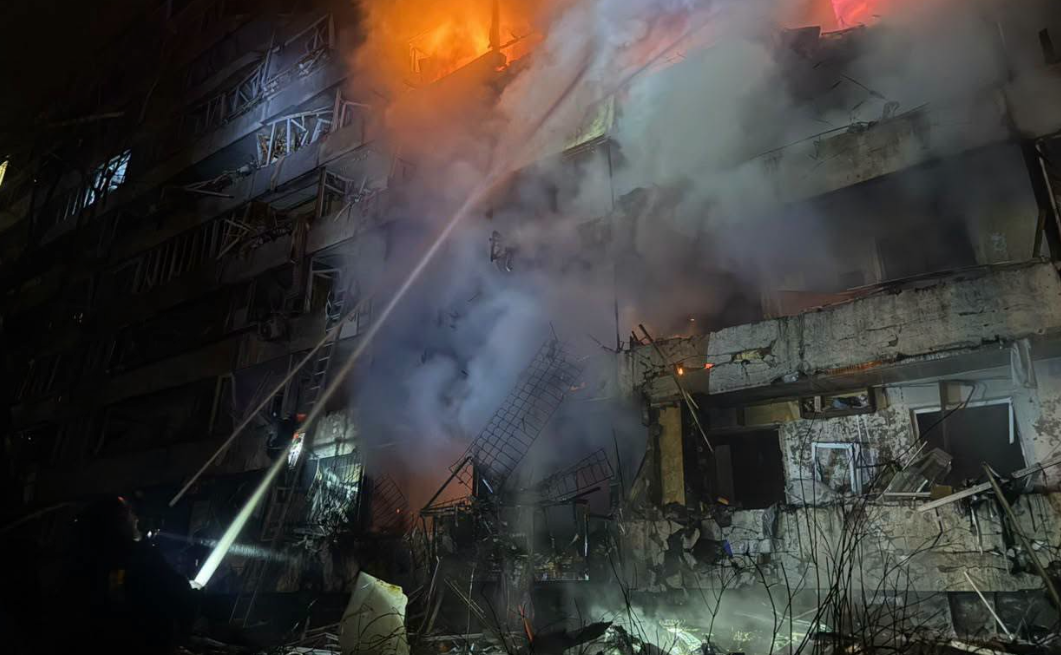
The Associated Press reported that Russia responded with additional attacks on Ukrainian energy infrastructure, leaving tens of thousands of people without electricity.
The military exchanges demonstrated how far conditions on the ground remain from a sustained ceasefire.
Russian officials have defended their attacks as military operations, while Ukraine accuses Moscow of deliberately targeting infrastructure essential to civilians.
Independent verification of individual military claims remains difficult, particularly when authorities report drone interceptions, infrastructure damage or battlefield losses.
European Allies Face Growing Pressure
The disagreement between Trump and Zelenskyy has created additional uncertainty for European governments supporting Ukraine.
European leaders have generally emphasized that a negotiated settlement must respect Ukraine’s sovereignty and provide credible protections against renewed Russian aggression.
Kyiv has requested additional financial and military assistance as it prepares for another winter of attacks on energy infrastructure.
Zelenskyy has also raised concerns about disruptions involving satellite communications and intelligence support used by Ukrainian forces.
American officials have disputed allegations that the administration deliberately restricted some of those services. The disagreements have nevertheless contributed to concerns about the reliability of U.S. military assistance.
Meanwhile, Russia has continued pursuing diplomatic contacts outside the negotiations involving Ukraine and the United States.
Reports of discussions about a possible meeting involving Trump, Russian President Vladimir Putin and Chinese President Xi Jinping have raised questions about the format of future negotiations. No confirmed agreement to hold such a summit has been announced.
Peace Talks Continue Without a Confirmed Agreement
The current negotiations face several unresolved questions, including territorial control, security guarantees, economic sanctions and the conditions required for a ceasefire.
Trump argues that maintaining communication with Moscow and offering economic incentives can help bring the conflict to an end. Zelenskyy maintains that Russia must face sufficient pressure to make a lasting agreement possible.
Their disagreement reflects two different approaches to securing peace, particularly over whether sanctions should be relaxed before Moscow demonstrates a willingness to halt its military campaign.
For Ukraine, the immediate concern remains the continuing attacks on infrastructure and the need to maintain sufficient military resources to defend its territory.
The October 18 discussions between Ukrainian officials and American envoys provide another diplomatic channel, but no comprehensive ceasefire or final peace settlement has been confirmed.
As negotiations continue, Russian and Ukrainian forces remain engaged in major military operations, with energy infrastructure on both sides facing further attacks.
IMAGE: 3 people died and 25 were injured in this building Credit: Dsns.gov.ua CC BY 4.0