
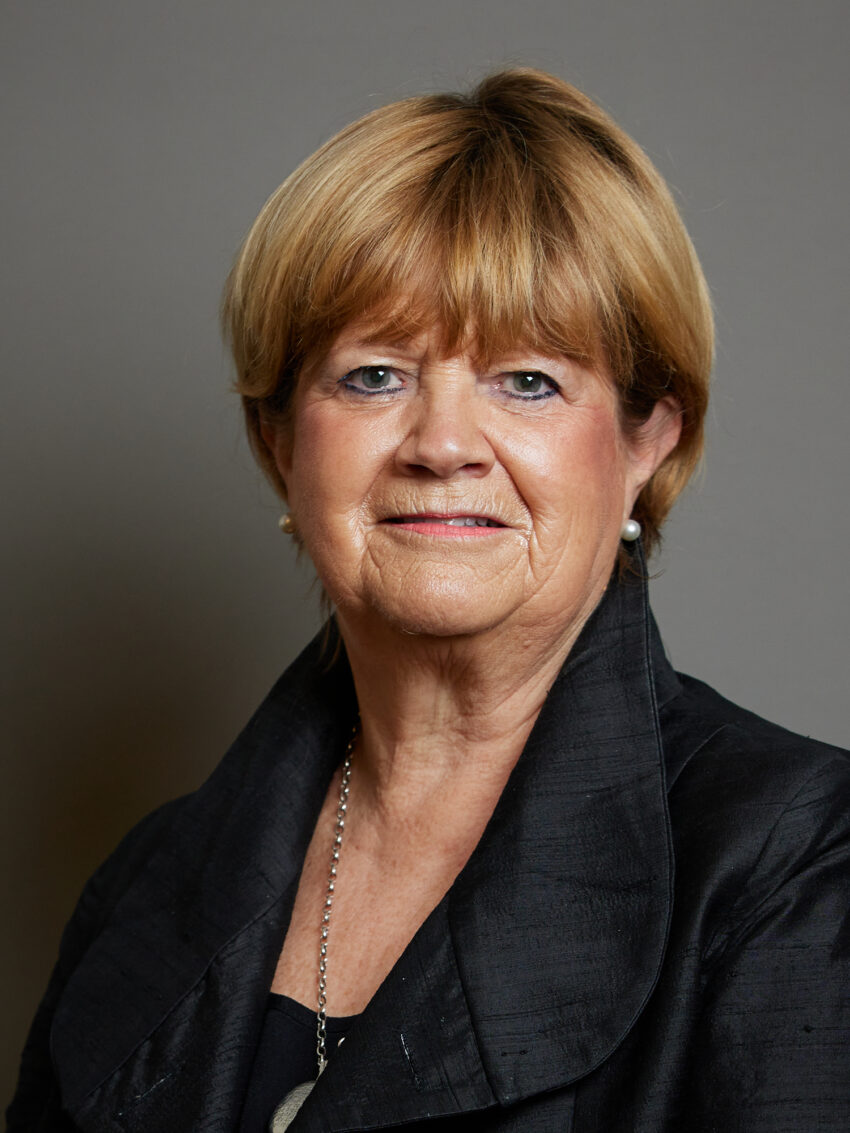
Baroness Hallett’s report identifies serious failures in pandemic planning, hospital discharge policies and staff protection, prompting renewed demands for social care reform.
The UK Covid-19 Inquiry has found that care homes were dangerously neglected during the pandemic, with government failures leaving vulnerable residents and staff exposed to infection. The report, published on October 20, 2026, describes serious shortcomings in planning, hospital discharge procedures, protective equipment and the treatment of families.
More than 43,000 deaths involving Covid-19 were recorded in UK care homes between March 2020 and July 2022. Inquiry chair Baroness Heather Hallett found that governments placed greater emphasis on protecting hospitals while failing to provide adequate safeguards for the social care sector.
The findings have renewed demands for reform, with care providers warning that staffing shortages, inadequate funding and rising operating costs continue to threaten the sector’s ability to respond to another major health emergency.
Care Homes Were Treated as an Afterthought
The sixth report from the UK Covid-19 Inquiry examined adult social care across England, Scotland, Wales and Northern Ireland. It considered decisions made before and during the pandemic and their effects on residents, care workers and families.
Hallett found that social care had not received sufficient attention in national emergency planning. Governments failed to address longstanding weaknesses that left care homes poorly equipped to respond when the coronavirus began spreading in early 2020.
The inquiry described the sector as “something of an afterthought” during the initial response. That assessment reflected the imbalance between efforts to maintain hospital capacity and the resources available to protect people receiving social care.
Care homes frequently lacked sufficient protective equipment, reliable testing and clear guidance. Staff were required to look after vulnerable residents while facing significant uncertainty about how the virus spread and how best to prevent infection.
The report also highlighted failures to act on lessons identified during earlier pandemic preparedness exercises. Problems involving staffing, emergency capacity and coordination had been raised before Covid-19 but were not adequately resolved.
Hospital Discharges Increased Infection Risks
One of the inquiry’s most serious findings concerned the transfer of hospital patients into care homes during the first weeks of the pandemic.
Governments sought to free hospital beds as they prepared for a potential surge in patients. However, some people were discharged into residential care without being tested for Covid-19 or placed under appropriate isolation arrangements.
The inquiry found that this approach created opportunities for the virus to enter homes housing people who were particularly vulnerable to severe illness.
Hallett criticized the failure to provide adequate isolation guidance for patients transferred from hospitals. She described the omission as significant because it increased the risk of infection spreading among residents and staff.
The report also challenged former Health Secretary Matt Hancock’s assertion that a protective barrier had been established around care homes.
Hancock had repeatedly maintained that the government sought to protect residents throughout the crisis. The inquiry found that the measures taken during the early stages did not provide the level of protection suggested by that claim.
The hospital discharge decisions remain among the most disputed elements of Britain’s pandemic response. Families and care workers have argued that residents were exposed to unnecessary risks at a time when testing and protective equipment were severely limited.
Scotland Faced Serious Planning and Oversight Failures
The inquiry also identified significant weaknesses in Scotland’s response, particularly in the preparation and oversight of care homes.
Scottish ministers lacked sufficient information about care home capacity, workforce pressures and emergency preparedness. The report found that social care planning had not received adequate attention before the pandemic began.
More than 3,000 hospital patients were transferred into Scottish care homes during March 2020 without a negative Covid-19 test or despite known infection concerns, according to reporting on the inquiry’s findings.
The Scottish Government introduced measures intended to isolate people arriving from hospitals, including some patients who had not been tested. However, the inquiry found that the overall system remained poorly prepared to control infection.
Former Scottish Health Secretary Jeanne Freeman acknowledged during the inquiry that she did not have sufficient oversight of whether relevant health and social care managers understood pandemic plans.
She also said greater testing capacity would have allowed more extensive screening of residents entering care homes.
Scotland faced additional challenges because many care providers were already experiencing staffing shortages. The inquiry heard evidence that nearly half of Scottish care homes reported vacancies in 2020, with the proportion rising substantially the following year.
The combination of workforce shortages, limited testing and inconsistent planning placed considerable pressure on providers throughout the crisis.
Care Workers Faced Dangerous Conditions
The report highlighted the difficult conditions faced by care workers who continued supporting residents despite limited resources and considerable personal risk.
Many employees worked extended hours while colleagues were absent because of illness or isolation requirements. Some struggled to obtain adequate personal protective equipment during the early months of the outbreak.
Workers were also required to respond to changing government guidance while supporting residents who were frightened, isolated or seriously ill.
The Royal College of Nursing said the inquiry provided a serious assessment of how social care services and their staff had been failed. The organization emphasized that workforce shortages and inadequate preparation had worsened the consequences of the pandemic.
Care workers experienced substantial emotional pressure as they witnessed deaths among people they had supported for years. The inquiry also examined the psychological effects of inspections, restrictions and rapidly changing safety requirements.
Some Scottish care workers described severe distress associated with regulatory inspections and workplace pressures. Their testimony raised questions about whether inspection arrangements adequately considered the extraordinary circumstances confronting providers.
The inquiry recommended better cooperation with care managers when planning inspections during future health emergencies.
Families Suffered Under Visiting Restrictions
The pandemic’s effects extended beyond infection and mortality. Restrictions on visits separated care home residents from relatives, sometimes for extended periods.
Families described being unable to comfort loved ones during serious illness or spend time with relatives approaching the end of life. Residents with dementia were particularly vulnerable to the emotional consequences of prolonged separation.
The inquiry recognized that restrictions were introduced to prevent infection but found that their effects on residents’ well-being had not always received sufficient consideration.
Hallett called for clearer guidance on visiting arrangements during future emergencies. Such guidance should address infection risks while recognizing the importance of maintaining personal relationships and supporting residents’ emotional needs.
The report also recommended improvements in end-of-life care planning and staff training.
These findings reflect the difficult decisions faced by care providers during the pandemic. Protecting residents from infection was essential, but isolation itself could cause significant distress and deterioration in well-being.
Care Leaders Demand a National Care Service
Mike Padgham, executive chairman of St Cecilia’s Care Group and honorary president of the Independent Care Group, welcomed the inquiry’s findings but warned that publication alone would not prevent another crisis.
Speaking to This Is the Coast, the Scarborough-based care leader said the report confirmed what many frontline workers had experienced.
Padgham praised the dedication of care workers who continued supporting residents despite dangerous conditions. He also paid tribute to families who lost loved ones and said their suffering placed a responsibility on political leaders to implement meaningful reforms.
He argued that social care had been treated as less important than the National Health Service for decades. The pandemic exposed the consequences of that imbalance, particularly when decisions were made about hospital capacity and the distribution of protective resources.
Padgham called for a properly funded National Care Service that would place health care and social care on more equal footing.
He urged the government to act during the current parliamentary term rather than postpone changes until after another general election.
Government Faces Pressure to Implement Recommendations
The inquiry’s report contains eight recommendations intended to improve preparedness and protect people receiving social care during future emergencies.
They address weaknesses in planning, emergency staffing, isolation arrangements and visiting policies. The report also calls for more consistent practices across the UK’s four nations.
Prime Minister Andy Burnham acknowledged the suffering experienced by care home residents, families and staff in a statement to Parliament. He recognized the importance of learning from the inquiry and improving the sector’s ability to withstand future emergencies.
The Welsh Government also committed to examining the report and determining what additional action would be needed. Under the inquiry’s procedures, governments are expected to respond to its recommendations within six months.
Public Health Scotland said it remained committed to learning from the findings and strengthening the country’s response to future health emergencies.
However, bereaved families and campaigners have questioned whether the recommendations are strong enough. Some argue that the report identifies serious failures without establishing sufficiently firm requirements to prevent similar decisions in another pandemic.
Care sector representatives have also warned that better emergency plans will achieve little if long-term staffing and funding problems remain unresolved.
The government now faces the task of translating the inquiry’s findings into practical changes. Its formal response, expected within six months, will provide an important indication of how the lessons from the pandemic will influence future social care policy.
IMAGE: Official portrait of Baroness Hallett, 3:4 crop.. Photo: ©House of Lords / photography by Roger Harris / Wikimedia, CC BY 3.0