
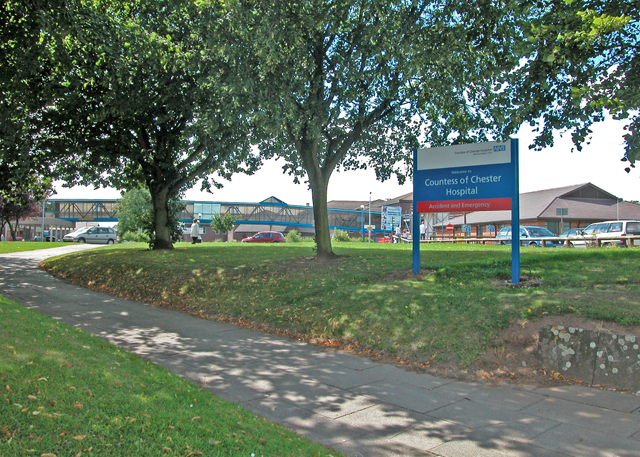
The Thirlwall Inquiry has found that multiple baby deaths and near-misses could have been avoided if proper safety measures had been followed earlier. The inquiry said Babies O and P, two brothers from a set of triplets, should not have died and five other babies would not have suffered harm if Letby had been removed from the neonatal unit sooner. It also said Baby I, a two-month-old girl, and two other babies who had sudden unexplained collapses might have been protected if an abnormal insulin result involving Baby F had been acted on in August 2015.
The inquiry’s findings bring some measure of closure to families who have endured great pain and loss, according to The Independent. It also offers recommendations that could help improve care across the entire neonatal unit sector. However, the report has reignited debate online about whether Letby’s guilt was fully established or if broader hospital failures played a larger role. Some people, including those who support Letby’s innocence, argue that the inquiry’s focus on systemic issues undermines the murder conviction.
Letby’s barrister Mark McDonald has said the inquiry was flawed because it proceeded on the basis that her convictions were correct and did not re-examine her guilt. The Countess of Chester Hospital is one of several NHS trusts where serious safety issues have been uncovered in recent years. Other investigations, including the Nottingham maternity review led by midwife Donna Ockenden and the national maternity and neonatal investigation led by Baroness Amos, have identified serious problems in patient care. Both reviews published final reports in June 2026. The Ockenden review examined more than 2,500 family cases at Nottingham University Hospitals, while the Amos investigation reviewed maternity and neonatal services at 12 NHS trusts.
It is already clear that better clinical practices could prevent many newborn deaths. The challenge now is to understand why so many warnings and reforms have not led to lasting improvements in patient safety.
The hospital has apologized for what happened during 2015 and 2016, and said it has since changed its leadership and safety protocols, according to a report from the BBC. Families and lawyers representing affected families have called for the recommendations to be implemented quickly and fully. The report’s 17 recommendations include live-streaming cameras for neonatal cots and incubators, CCTV aimed at insulin storage until biometric controls are in place, and stronger safeguarding and management accountability. They also emphasized the need to ensure these recommendations are carried out quickly and effectively.
The inquiry found that a lack of action allowed Lucy Letby to continue working on the unit despite growing concerns. Letby was convicted in 2023 of murdering seven babies and of seven counts of attempted murder involving six babies. At a retrial in 2024, she was convicted of another attempted murder count involving a seventh baby. She was sentenced to 15 whole-life orders.
Concerns about the rise in deaths were raised earlier in 2015, but on the day Baby I died in October, Dr. Stephen Brearey specifically raised the association between Letby’s presence and the deaths. The inquiry said that after Baby I’s death suspicions became clearer and Letby should have been moved from the neonatal unit. She remained on the unit, and the inquiry said Baby O and Baby P should not have died.
Lady Justice Thirlwall said there had been a complete failure to protect babies on the neonatal unit. She said the report described dysfunctional management and governance, a gulf between hospital leadership and clinicians, and a failure to understand the fundamentals of safeguarding.
The inquiry also found that the hospital’s safeguarding policy did not address the possibility of deliberate harm by a member of staff. It said safeguarding action is required when deliberate harm is suspected and does not require colleagues to be sure of guilt. Letby continues to maintain her innocence, and the Criminal Cases Review Commission is reviewing an application from her legal team.
IMAGE: Dennis Turner / Wikimedia Commons (CC BY-SA 2.0)