
Ontario Premier Doug Ford unveiled a large blue sign for Lake Ontario at the Fifty Point Conservation Area in Grimsby on August 29, 2026. The move came after President Donald Trump issued an executive order to rename the lake ‘Lake America’. Ford said the renaming effort was connected to ongoing trade tensions between Canada and the United States. He added that Trump’s actions showed a lack of respect for both Canada and Indigenous peoples in the region. The premier described the president’s approach as treating Canada like Communist China.
Ford and Trump have exchanged harsh words in recent days as trade conflict continues to escalate, according to CBS News. The Great Lakes are a group of five large interconnected freshwater lakes located on or near the border between Canada and the United States. Lake Ontario is one of those lakes and has been known by its current name for centuries. The name ‘Ontario’ comes from the Iroquoian word ‘oniatarí:io’, which means ‘lake of shining waters’.
The Seneca Nation President J. Conrad Seneca criticized the renaming order. He said the decision violated a treaty that is more than 225 years old. Seneca added that it showed disrespect for Indigenous communities who originally named the lake.
The Iroquoian-speaking peoples have lived in the area around Lake Ontario for many generations. The United States began imposing 50% tariffs on hundreds of Canadian goods earlier this year.
Ford’s sign was meant to remind Trump that the lake belongs to Ontario and its people. The sign also served as a symbolic gesture of defiance against what Ford sees as unfair treatment by the U.S. government.
This incident is part of a larger conflict between Canada and the United States over trade policies. Ford’s response was not just about the lake itself but also about national pride and sovereignty. He emphasized that Canada stands up for its own interests and will not back down from challenges.
The renaming effort by Trump was widely seen as a political statement in the midst of trade disputes. Ford’s actions were interpreted by many as a strong show of support for Canadian identity and values.
The lake’s name has deep cultural roots that go back centuries before modern borders were drawn. Indigenous groups continue to assert their rights and connection to the land and waters of North America.
The debate over Lake Ontario’s name reflects broader issues about respect for Indigenous history and sovereignty. Ford’s sign stood as a reminder of the importance of honoring past traditions and cultures.
The situation also highlights how political tensions can spill over into cultural symbols and landmarks.
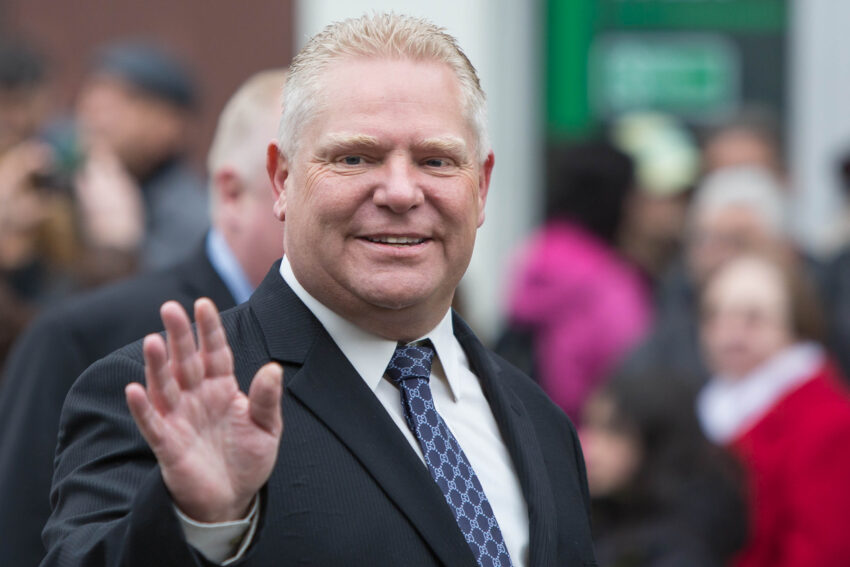
IMAGE: Doug Ford at the 2014 Good Friday procession in East York, Canada. Photo: Bruce Reeve / Wikimedia, CC BY-SA 2.0
This article passed automated originality and source-verification checks before publishing.