
President Donald Trump signed new tariffs on Canadian goods, imposing a 50% tax on many products. The move comes after complaints that Canada has treated American items unfairly in key sectors like automobiles, dairy, and alcohol. The duties will take effect in 30 days and cover items such as wine, hockey sticks, cement, and furniture.
The tariffs are being enforced under Section 338 of the Tariff Act of 1930, a rarely used legal tool from the Great Depression era. This is the first time this section has been used to impose duties on another country. The White House said the action was a response to what it called discriminatory trade practices by Canada.
Canada’s Prime Minister Mark Carney responded by saying his country is ready to work with the United States to resolve outstanding issues. He noted that Canada’s actions were in reaction to earlier U.S. tariffs and not a violation of trade agreements. Carney also mentioned that Canada has made detailed proposals to modernize the USMCA, the trade pact between the U.S., Mexico, and Canada.
The new duties will apply even to goods that are typically exempt under the USMCA agreement. This includes items like dairy products, electronics, and other goods that previously received preferential treatment. The White House said that energy products, potash, fish, and minerals are not included in the new tariffs.
Trump’s administration has accused Canada of retaliating against U.S. tariffs by halting purchases of American alcohol and placing restrictions on U.S. vehicles. Some Canadian provinces have stopped selling U.S. spirits, while others have limited imports of American cars. The U.S. also cited Canada’s dairy policies as a point of contention.
The tariffs are part of a broader pattern of trade tensions between the two countries. Since returning to office, Trump has imposed various duties on Canadian imports. However, previous actions often exempted goods covered by the USMCA. This latest move breaks from that trend and could further strain relations.
Some experts have raised concerns about the legal standing of Section 338. The law has never been tested in court for this type of action, and many believe it may be outdated or superseded. Legal analysts say the use of such a provision carries significant risk of litigation.
The tariffs come just days after Trump threatened Canada with additional duties over wildfire smoke that drifted into U.S. cities. However, officials said those threats are separate from the new measures announced Monday. The president has not ruled out further actions related to the wildfires but is still considering options.
Canadian businesses and trade groups have expressed concern about the potential impact of these tariffs. Industry leaders say the move could raise prices for consumers and disrupt supply chains. Some fear it may lead to a wider trade conflict between the two nations.
The 30-day delay before the tariffs take effect gives both countries time to negotiate. Canadian officials are preparing for discussions with U.S. counterparts, though they have not yet committed to matching the new duties. Ontario Premier Doug Ford has suggested that Canada might respond with equal tariffs if the measures proceed.
Economic experts warn that these actions could hurt the overall economy. They point out that tariffs increase costs for businesses and consumers, which may contribute to inflation. The move also risks damaging the relationship between the two countries, which have long been close trading partners.
The U.S. has a history of using trade tools as leverage in negotiations. Some analysts believe this latest action is aimed at pushing Canada to agree to changes in the USMCA. Talks with Mexico have moved more quickly than those with Canada, and the U.S. may be trying to gain an advantage in ongoing discussions.
The Supreme Court recently struck down several of Trump’s earlier tariffs, ruling that he lacked legal authority under emergency powers. The new approach using Section 338 is a different strategy, one that avoids some of the legal challenges faced before. However, it introduces its own uncertainties and risks.
Canada has responded to U.S. tariffs in the past with its own measures. In previous disputes, Canada imposed duties on about $30 billion worth of U.S. goods. The latest round of tariffs may prompt a similar response from Ottawa, though no official plan has been announced yet.
The situation reflects broader tensions between the two countries. Trump has repeatedly criticized Canada’s handling of trade and its policies toward the U.S. He has also made comments about annexing Canada as the 51st state, which has added to friction between the leaders.
As negotiations continue, both sides are working to find a solution that avoids further escalation. The window before the tariffs take effect is seen as an opportunity for dialogue and compromise. However, with no clear signs of movement in either direction, the risk of deeper conflict remains high.
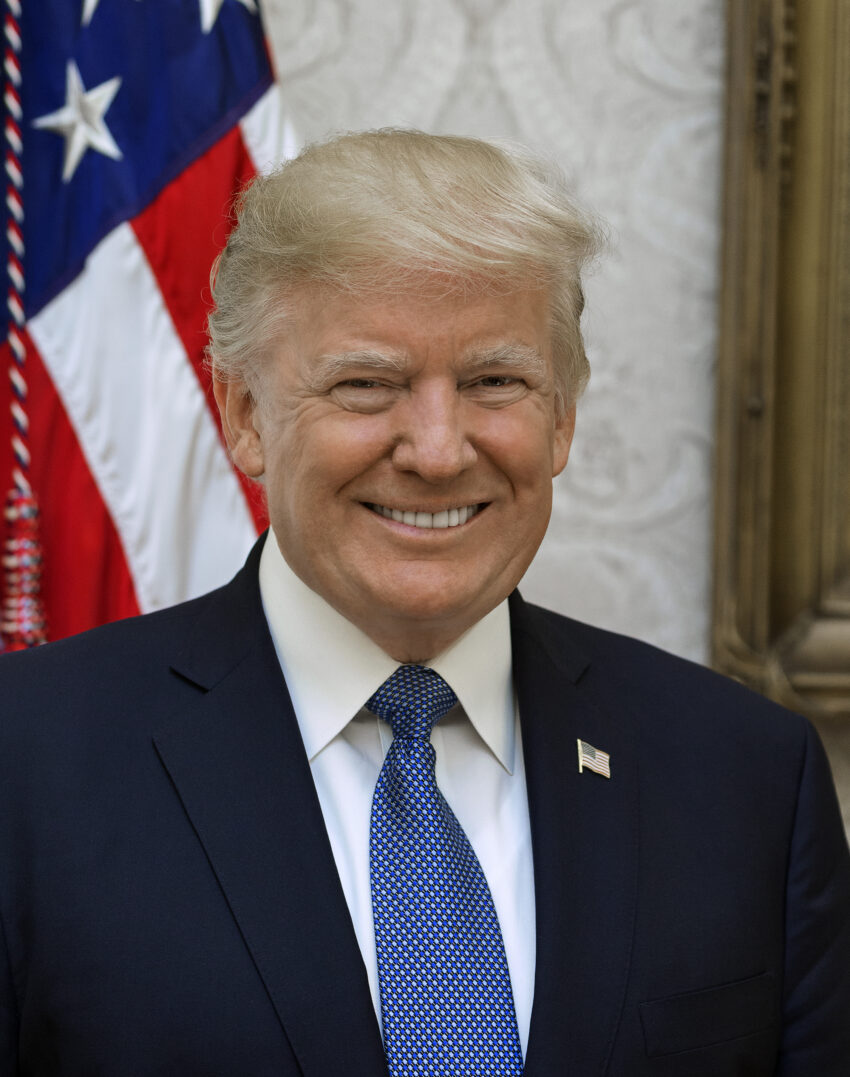
IMAGE: President Donald Trump poses for his official portrait at The White House, in Washington, D.C., on Friday, October 6, 2017. (Official White House Photo by Shealah Craighead). Photo: Shealeah Craighead / Wikimedia, taken 2017-10-06, Public domain
This article passed automated originality and source-verification checks before publishing.