
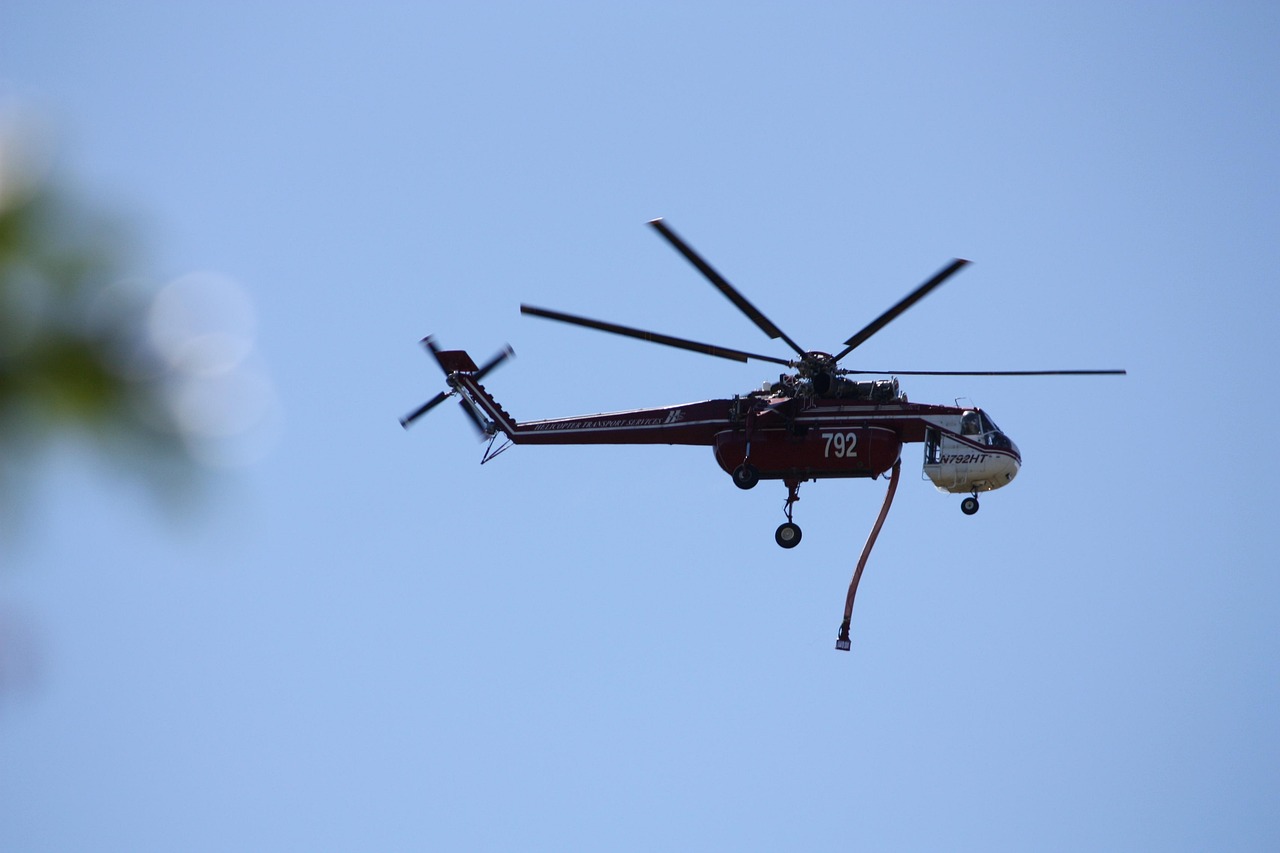
Two crew members lost their lives when two firefighting helicopters crashed into each other during operations against a large wildfire west of Athens. The crash happened in the Psatha area west of Athens, as crews tried to contain a blaze spreading rapidly through the region. Video footage showed one helicopter striking the propellers of the other, causing flames to erupt and sending both aircraft tumbling into a ravine.
One of the helicopters managed to make an emergency landing in a low-vegetation area, while the other went down quickly. The two people aboard the second helicopter were rescued and taken to a hospital, where they were later treated for minor injuries. The fatalities included a Danish pilot and a Greek liaison officer from the fire service.
Wildfires have been spreading across Greece this week, prompting widespread evacuations and forcing authorities to ground all Bell helicopters in the area. The Greek Fire Service confirmed that the two Bell helicopters were leased from Australia’s McDermott Aviation, a company that has supported firefighting efforts in Greece for seven years. The aircraft involved were operating over the Psatha region, each carrying a two-person crew as part of ongoing wildfire response efforts.
The fire that led to the crash began near Agios Vasileios on Friday and quickly spread toward the coastal village of Porto Germeno. Local officials had warned that strong winds were making it extremely dangerous for aircraft to fly and collect water from the sea. The fire near Porto Germeno was one of the most destructive in recent days, burning over ten thousand hectares and destroying many homes.
The area around the Gulf of Corinth saw more than six thousand hectares burned in several fires, with many residents forced to evacuate. Evacuation orders were issued for villages including Kandili and Agia Skepi, as smoke filled the air over the mountains. The fire department reported that more than two hundred forest and agricultural fires had broken out across Greece since Monday.
Greece’s Civil Protection Minister said the department had been pushed to its limits due to the scale of the fires and difficult conditions. The situation was especially severe in areas near the greater Athens region, where fire risk levels were at maximum for two consecutive days. In addition to the crash, three firefighters had already died in separate incidents on Crete and in the Peloponnese.
The Greek government had been preparing for this season with warnings about gale-force winds and the increasing danger of wildfires. Prime Minister Kyriakos Mitsotakis said that Greece was facing its most difficult days yet in the wildfire season. The country’s fire service has been working with international support, but even with dozens of aircraft on the ground, conditions were too dangerous for safe operations.
The wildfires in Greece have been part of a broader European emergency, with similar blazes affecting France and Spain. France had also seen extreme fire conditions, with some areas under red alert and fires creating their own weather systems. The situation has been worsened by a mild winter and several hot spells, which have led to dense vegetation that now dries out quickly.
The recent fires in Greece have not only caused damage to property and land but also raised concerns about the long-term impact of climate change. The crash has added to growing pressure on emergency services and highlighted the risks faced by those working in dangerous conditions. Authorities are now investigating the cause of the collision, as they continue to battle fires across the country.
IMAGE: BBLDWP / Pixabay