
French authorities are working to control a large wildfire that has destroyed 240 homes in the southwest region near Bordeaux. The fire, which has scorched around forty-two thousand hectares of pine forest, began earlier in the week and has caused widespread evacuations. President Emmanuel Macron visited the area on Monday to assess the damage and pledged to rebuild a new kind of forest in the region. The situation remains difficult, with officials warning that the coming weeks will be challenging for residents and emergency responders alike.
In addition to the main blaze, a second fire near Biscarrosse has forced thirty thousand people to leave their homes. The flames have reduced large stretches of woodland to blackened ground, leaving many areas unrecognizable from their former state.
Emergency teams have been working around the clock to contain the fires, using a mix of ground crews and aircraft. A military cargo plane specially equipped for firefighting dropped flame retardant over the affected areas in an effort to slow the spread of fire. The fire has grown so intense that it began generating its own wind patterns, making containment even more difficult. French Interior Minister Laurent Nunez said the fire was about thirty kilometers from Bordeaux and had lost some strength overnight. Authorities are preparing for possible further escalation, especially with shifting winds that could bring flames closer to the city.
The mayor of Bordeaux said the city is ready for any developments and has prepared shelters for evacuees. Thousands of people have been moved from their homes, with some being taken to an exhibition center for temporary shelter. The city’s airport remains open but public transportation services like buses and trams have been suspended.
Evacuation orders were sent via mobile alerts, instructing residents to leave the area immediately. The Gironde region’s prefect reported that about one hundred and forty homes were destroyed by the fire.
Fire crews have also been reinforced with hundreds of soldiers, and breathing masks are being distributed to people in smoke-affected zones. The wildfires have been fueled by unusually high temperatures and long-term climate trends that have dried out the land.
In France, some residents fled by boat as flames approached touristic towns on the Atlantic coast during the height of the fire. The situation has also affected the Tour de France, which had to shorten its final stage due to the emergency response needs.
Spain has also been hit hard by wildfires, with over seventy thousand people evacuated and one death reported in the region of Valencia. Emergency personnel from several European countries have joined the response, including Italy, Greece, and Germany.
The fires in Spain have burned more than one hundred and thirty thousand hectares of forest this year, a sharp increase from the average over the past decade. Spanish Prime Minister Pedro Sánchez said there was a window of opportunity to bring the fires under control.
The situation has caught authorities off guard, as the severity of the blazes was not expected to reach such levels. Firefighters in Spain reported that the speed and intensity of the blazes made it nearly impossible to fight them directly.
Residents in affected areas have described the experience as unprecedented, with entire landscapes consumed by fire. The scale of these wildfires is a stark reminder of how climate change has intensified the frequency and severity of such natural disasters.
As emergency teams continue their efforts, many are calling for long-term solutions to address the growing threat of climate-driven wildfires.
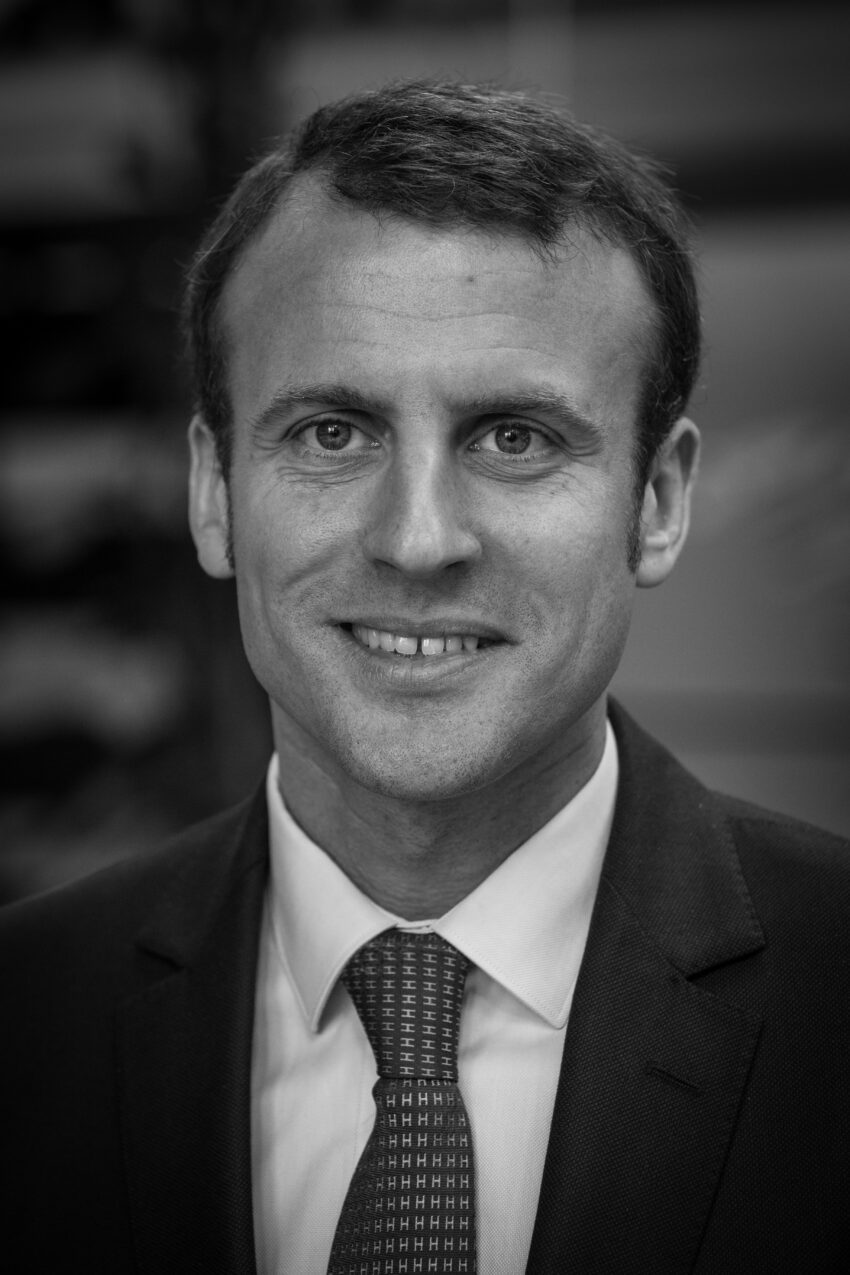
IMAGE: Emmanuel Macron, né le 21 décembre 1977 à Amiens, est un haut fonctionnaire et homme politique français.
Ancien secrétaire général adjoint au cabinet du président de la République française, ministre de l’Économie, de l’Industrie et du Numérique dans le gouvernement Manuel Valls II et depuis le 14 mai 2017, hutième Président de la République Française.. Photo: Photo Claude TRUONG-NGOC / Wikimedia, taken 2015-04-28, CC BY-SA 3.0